 Birch Bay Window
 Windows Built for Life Near the Water
Birch Bay Village sits close enough to the water that the weather off Birch Bay and the Strait of Georgia is a daily fact of life for the homes here, not an occasional inconvenience. Salt-laden air, wind-driven rain that comes in sideways during winter storms, and a long stretch of gray, damp months every year all work on a home's windows in ways that inland Whatcom County properties simply don't deal with to the same degree. If you've owned a home in this area for more than a few years, you've probably already noticed it: hardware that corrodes faster than it should, seals that give out early, or a persistent draft that wasn't there when the windows were new.
We're a local exterior contractor working across Birch Bay and the surrounding Whatcom County coastline, and windows are one of four things we do — alongside siding, roofing, and decks — because on a coastal home, those systems all have to work together to keep water out. A window replacement isn't just a glass and frame swap; it's flashing, sealing, and integration with whatever siding surrounds it.
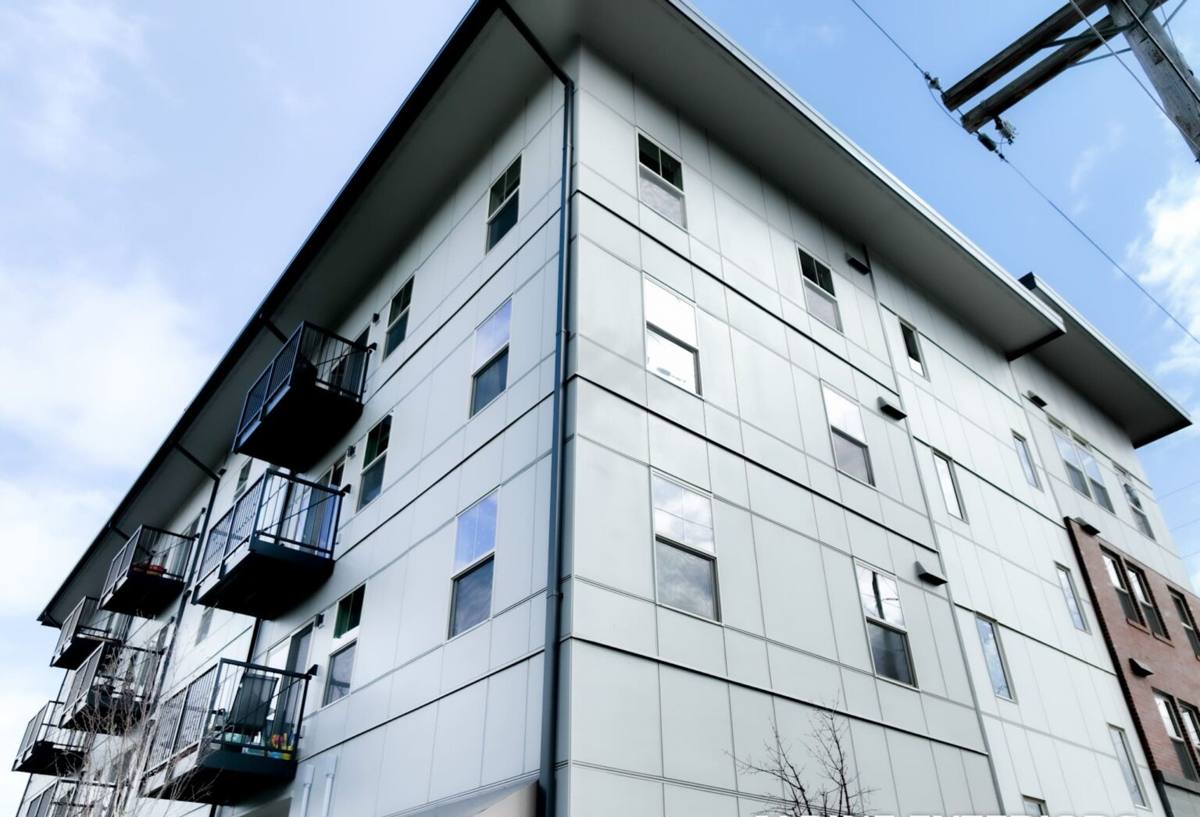
What Birch Bay Village Homes Are Up Against
Salt Air and Corrosion
Salt in the air settles on everything, including window hardware, screen frames, and metal cladding. Over years, that salt exposure accelerates corrosion on lower-grade hardware and can pit or discolor aluminum components that weren't specified for coastal use. It's a slow process, which is exactly why it's easy to miss until a lock or crank mechanism starts sticking or a frame finish starts looking chalky and pitted years before it should.
Wind-Driven Rain
Birch Bay gets its share of storms rolling in off the water, and wind-driven rain doesn't just fall on a window — it gets pushed sideways and upward into any gap in the seal or flashing. Windows that are marginal on installation quality, or that have aged seals, are the ones that start showing water staining on interior sills or soft spots in the surrounding trim. This is as much an installation issue as a product issue; a well-built window installed poorly will still leak.
Moss and Sustained Moisture
The long wet season here means moss and algae find a foothold anywhere moisture sits for extended periods — window sills, the tops of trim boards, and shaded north-facing elevations in particular. Beyond the cosmetic issue, sustained moisture against wood trim or sill material is what eventually leads to rot if it isn't addressed. Homes tucked under tree cover, which is common in this part of Whatcom County, tend to see this more than homes in open, sunnier spots.
Signs It's Time to Look at Your Windows
- Visible condensation or fogging between panes (a failed seal on double- or triple-pane glass)
- Drafts you can feel near the frame even when the window is fully closed and locked
- Hardware — locks, cranks, hinges — that's stiff, corroded, or has stopped working smoothly
- Soft or discolored wood at the sill or surrounding trim
- Windows that are noticeably harder to open and close than they used to be
- Paint or finish that's peeling or chalking well ahead of its expected lifespan
- Rising heating bills with no other obvious explanation
Choosing Materials for a Coastal Property
Not every window product on the market is a good match for a salt-air environment, and we'll tell you that plainly rather than sell you whatever's easiest to install. Our standard for Birch Bay-area homes is to specify frame materials and hardware finishes rated for coastal exposure, and to avoid combinations that are known to struggle with long-term moisture and salt contact — not because a given product is bad everywhere, but because this specific environment is harder on materials than most.
| Frame Material | Coastal Performance | Maintenance |
|---|---|---|
| Vinyl (quality-grade) | Good — won't corrode or rust, handles moisture well | Low; occasional cleaning |
| Fiberglass | Very good — dimensionally stable, resists salt and moisture | Low |
| Aluminum (marine-grade finish) | Good if properly specified; standard-grade aluminum can pit over time | Moderate; watch hardware |
| Wood (unclad) | Poor in direct salt/moisture exposure without diligent upkeep | High; frequent refinishing |
| Wood-clad (vinyl or fiberglass exterior) | Good — exterior shell handles weather, interior keeps wood look | Low to moderate |
We also pay close attention to hardware finish and glazing package. Stainless or coated hardware holds up far better against salt corrosion than standard-grade fittings, and a glazing package with good seal integrity matters more here than in a drier inland climate, since seal failure shows up faster when it's tested by driving rain regularly.
How We Approach a Window Project
Assessment First
Before we talk product, we look at what's actually happening at your home: where the wind and rain hit hardest, which elevations get the most moss and shade, whether there's any existing rot or flashing damage around current window openings, and how your siding meets your window trim now. That assessment shapes the recommendation — a shaded, tree-covered lot and an open, wind-exposed lot near the water can call for different priorities even on the same street.
Installation Quality
Because we also do siding and roofing, we install windows with the surrounding building envelope in mind — proper flashing integration, correct sealant use, and attention to how water is meant to shed away from the opening. A window that's flashed and sealed correctly the first time is the single biggest factor in whether it stays leak-free through a Birch Bay winter, more so than which brand of window sits in the frame.
Working Around Your Life
Window replacement is disruptive by nature — openings in your exterior walls, at least briefly, and work happening room by room. We schedule to minimize how long any single opening is exposed, and we keep the work area contained so you're not dealing with a construction zone spread through the whole house.
Windows and the Rest of Your Exterior
Windows don't function in isolation. The trim, siding, and flashing around a window are what actually determine whether water finds its way in, which is why we treat window work as part of the broader exterior system rather than a standalone product swap. If your siding is aging or was never properly flashed at the window openings to begin with, replacing the window alone won't fully solve a moisture problem — it just moves where the weak point is. We'll tell you honestly if we see that during an assessment, rather than replacing windows and leaving a known issue in the wall behind them.
The same logic applies to decks and roofing on these properties: everything exposed to Birch Bay's salt air and rain needs materials and detailing suited to that exposure, not just whatever's standard inland.
Cost Factors to Expect
Window project costs vary by home, and we won't quote a number without seeing the actual openings, but a few factors consistently drive the range:
| Factor | Why It Matters |
|---|---|
| Number and size of openings | More and larger windows mean more material and labor |
| Frame material chosen | Fiberglass and marine-grade options generally cost more upfront than standard vinyl |
| Existing damage or rot | Repair or rebuild of the opening adds time and material beyond the window itself |
| Access and elevation | Upper-story or hard-to-reach windows take longer to install safely |
| Trim and siding tie-in | Matching or replacing surrounding trim/siding affects total scope |
Broadly, a straightforward single-window replacement tends to run in the low thousands, while a full-home window replacement is a much larger project — the honest answer is that we need to see your home to give you a real number.
Why a Local Crew Matters Here
A contractor based elsewhere in Whatcom County or brought in from farther away doesn't necessarily know that a home two streets from Birch Bay's shoreline needs different hardware and sealing attention than one set back and sheltered by trees. We work this specific stretch of coastline regularly, which means we've seen firsthand how salt air, storm wind, and moss actually behave on homes here over time — not in a general Pacific Northwest sense, but specific to Birch Bay's exposure. That local knowledge shapes real decisions: which elevations we flag for extra attention, which hardware finishes we won't put our name behind here, and where we tell a homeowner to prioritize spending.
Get a Straight Answer on Your Windows
If you're dealing with drafts, fogged glass, stiff hardware, or just want an honest read on how your windows are holding up against Birch Bay's climate, we're happy to take a look. Reach out for a free, no-pressure estimate using the form below — we'll walk your home, tell you what we actually see, and give you a straightforward recommendation, whether that's a full replacement, a partial fix, or nothing at all right now.