 Birch Bay Window
 Exterior Work Built for California Creek
California Creek sits in the northwest corner of Whatcom County, close enough to the water that homes here live with a different set of exterior problems than houses ten or fifteen miles inland. The lots tend to be wooded, the air carries salt off the Salish Sea, and the rain doesn't fall so much as it drifts sideways for months at a time. Windows, siding, roofing, and decks all take a specific kind of beating in this pocket of Birch Bay, and the fixes that work in a drier part of the county don't always hold up out here.
We're a local crew that works this stretch of coastline regularly, which means we're not guessing at what California Creek homes need — we're seeing the same failure points repeat from one property to the next and building our approach around them.
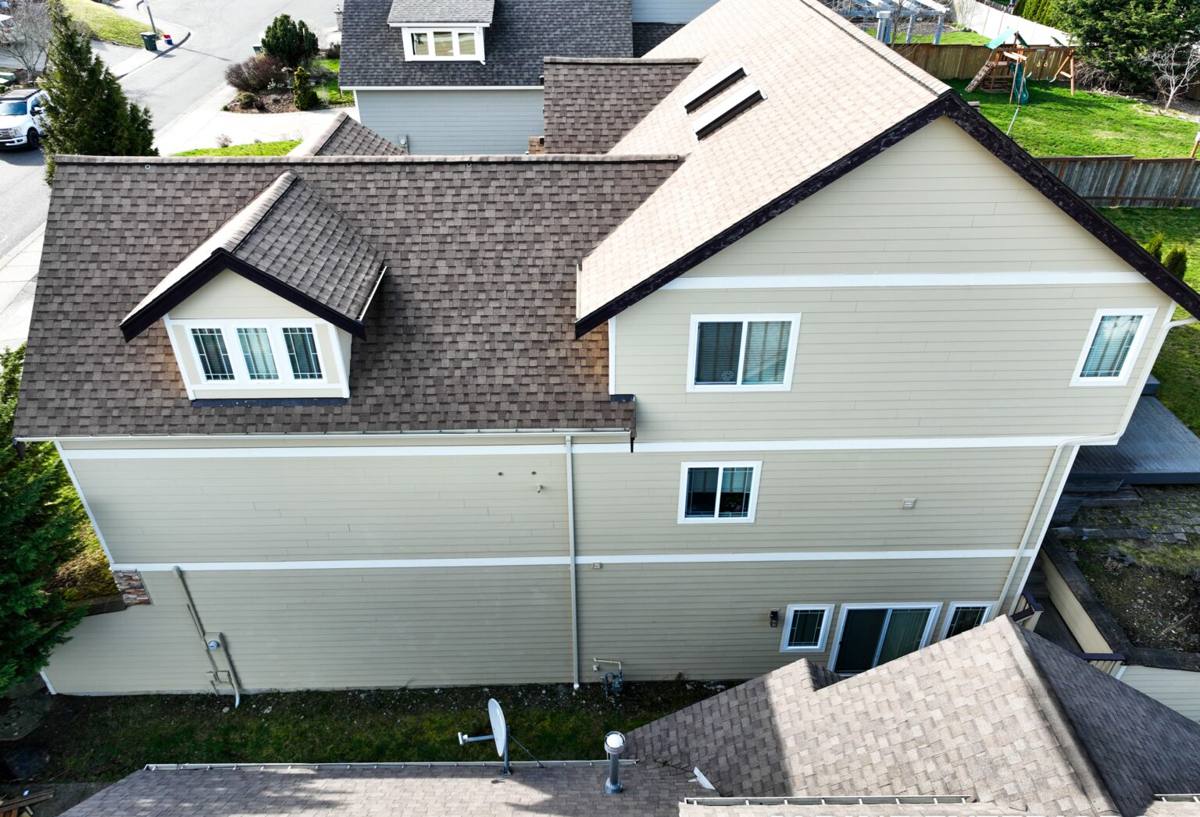
What the Climate Actually Does to a Home Here
Salt Air
Proximity to saltwater accelerates corrosion on anything metal — window hardware, nails, flashing, gutter fasteners, and exposed screws. It's slow and easy to ignore until a homeowner notices streaking, pitting, or a stuck window latch that used to work fine. Salt-laden air also breaks down certain paints and finishes faster than the manufacturer's rated lifespan would suggest, especially on the side of a house that faces open water or takes wind directly off the Strait.
Driving Rain
Whatcom County gets a lot of rain, but the version that matters most for exteriors is wind-driven rain — the kind that hits siding and window frames at an angle instead of falling straight down. That horizontal pressure pushes water into seams, laps, and trim joints that would stay dry in a calmer climate. Over years, this is what causes rot behind siding and water staining around window frames, usually well before anything looks obviously wrong from the outside.
Moss and Shade
Wooded lots near California Creek keep roofs shaded and damp for long stretches of the year, which is exactly what moss needs to take hold. Moss holds moisture against roofing material, lifts shingle edges over time, and can work its way into gutters and valleys where it blocks drainage. Left alone long enough, it shortens the useful life of a roof regardless of the roofing product installed.
Windows: Where Coastal Homes Show Wear First
Windows are usually the first place homeowners notice a problem, because the symptoms are visible from inside the house.
- Condensation between panes, which signals a failed seal in a double- or triple-pane unit
- Drafts around the frame, especially on walls facing the water or prevailing wind
- Hardware that's stiff, corroded, or won't latch cleanly anymore
- Visible gaps or cracking in exterior caulk and trim
- Wood frames that feel soft or show discoloration near the sill
None of these mean the whole window needs replacing right away. Sometimes it's a reseal, a hardware swap, or better flashing at the frame. Other times the glass unit or the window itself has reached the end of its service life and replacement is the more honest recommendation. We look at the actual condition before we quote anything — not the age of the house.
Frame Materials in a Coastal Climate
Vinyl and fiberglass frames generally hold up well against salt air and moisture because they don't corrode and don't need repainting. Aluminum frames conduct cold and can corrode faster near the water unless they're properly clad or coated. Wood frames offer a look a lot of homeowners want, but they demand more upkeep in this climate — regular repainting or resealing, and prompt attention if the finish starts to fail, since exposed wood picks up moisture quickly in a wet, shaded environment.
| Frame Type | Coastal Durability | Maintenance Needs |
|---|---|---|
| Vinyl | Good — won't corrode or rot | Low; occasional cleaning |
| Fiberglass | Very good — stable, low expansion | Low |
| Aluminum | Fair — can corrode without cladding | Moderate; check hardware and seals |
| Wood | Fair — needs a sound, maintained finish | High; repaint/reseal on a schedule |
Siding: Handling the Rain-Driven Side of the House
On coastal lots, one side of a house almost always takes more weather than the others — usually whichever elevation faces open water or the prevailing wind. That side is where we look first for lifted laps, soft spots, or staining that suggests water is getting behind the siding rather than running off it.
Fiber cement and quality vinyl products both perform well against salt air and rain when installed with proper flashing and drainage gaps behind the panels. The installation details matter as much as the product choice — house wrap, flashing tape at seams and openings, and a drainage plane behind the siding are what actually keep water from reaching the sheathing. We don't cut corners on those details because they're the difference between siding that lasts and siding that fails from behind, invisibly, for years before anyone notices.
Roofing: Managing Moss Before It Manages the Roof
Roofs in shaded, wooded parts of California Creek deal with moss more than almost anything else. A sound roofing system in this climate depends on a few things working together: adequate ventilation so the underside of the deck doesn't stay damp, properly lapped and sealed flashing at valleys and penetrations, clear gutters so water actually leaves the roof instead of backing up under the edge, and a material that's rated for the moisture exposure it's going to see.
We'll walk a roof and tell a homeowner honestly whether they're looking at a cleaning and maintenance issue or a material problem underneath the moss. Moss removal done carelessly — pressure washing straight into shingles, for instance — can do more damage than the moss itself, so how it's handled matters.
Decks: The Piece Most Homeowners Underestimate
Decks take a different kind of abuse near California Creek. They're horizontal, so they collect standing water and debris in a way vertical siding never does, and they're exposed to sun, rain, and moss all in the same footprint. Ledger board connections, joist hardware, and any wood-to-wood contact points are where rot tends to start, usually hidden under the decking boards where nobody looks until there's a soft spot underfoot.
Composite decking has become a common choice out here specifically because it doesn't absorb water or feed moss the way untreated wood does, but the substructure underneath — joists, hardware, ledger flashing — still needs to be built and maintained correctly regardless of what decking material sits on top. A deck is only as good as the framing nobody sees.
Why a Local Crew Makes a Practical Difference
A contractor who works Birch Bay and the surrounding Whatcom County coastline regularly has already seen how a given product or detail performs in this specific climate — not in a showroom, and not in a drier region three hours away. That matters when it comes to which materials hold up, which flashing details actually keep water out in wind-driven rain, and how often a homeowner realistically needs to plan for maintenance on salt-exposed hardware or a shaded, moss-prone roof.
It also matters for something simpler: being available. A local crew can get back out to a property for a warranty check, a follow-up question, or a small adjustment without the property being a special trip. That's a practical advantage, not a sales pitch.
A Simple Seasonal Maintenance Checklist
Most exterior problems in this climate are cheaper to catch early than to repair after they've spread. A short annual check goes a long way:
- Inspect window caulk and trim for cracking or gaps, especially on the weather-facing side of the house
- Check window hardware for stiffness or corrosion and lubricate or replace as needed
- Look at roof valleys and gutters for moss buildup and clear debris before it backs up water
- Walk the deck and check for soft boards, loose fasteners, or standing water that isn't draining
- Look for lifted or discolored siding, particularly low on the wall or near ground contact
- Clear vegetation and overhanging branches that keep any section of roof or siding shaded and damp
Getting an Honest Look at Your Home
Every property near California Creek sits a little differently — some are more exposed to wind off the water, some are shaded and dealing mostly with moss, and some have a mix of both. There isn't a one-size answer for windows, siding, roofing, or a deck here, which is why we look at the actual conditions on a given property before recommending anything.
If you're noticing drafty windows, a mossy roof, siding that looks off on one side of the house, or a deck that feels softer than it used to, we're happy to come take a look. Fill out the form below for a free, no-pressure estimate — we'll tell you honestly what we see and what it would take to fix it.