 Birch Bay Window
 Why Windows Wear Differently in Bellingham
Bellingham sits right on the edge of Whatcom County's marine climate, and that has a real, measurable effect on how windows age. It isn't just rain volume — it's the combination of moisture, salt-laden air off Bellingham Bay, and long stretches of gray, humid weather that never quite lets building materials fully dry out. A window system that would hold up fine in a drier inland climate can start showing problems here years earlier, especially if it wasn't installed with this specific climate in mind.
We see the same patterns come up again and again on service calls around Bellingham: wood sills that have gone soft, aluminum frames pitted from years of salt exposure, and double-pane units that fogged up from the inside because the seal finally gave out. None of that means every window in an older Bellingham home is doomed — but it does mean windows here need to be evaluated with the local climate in mind, not a generic checklist.
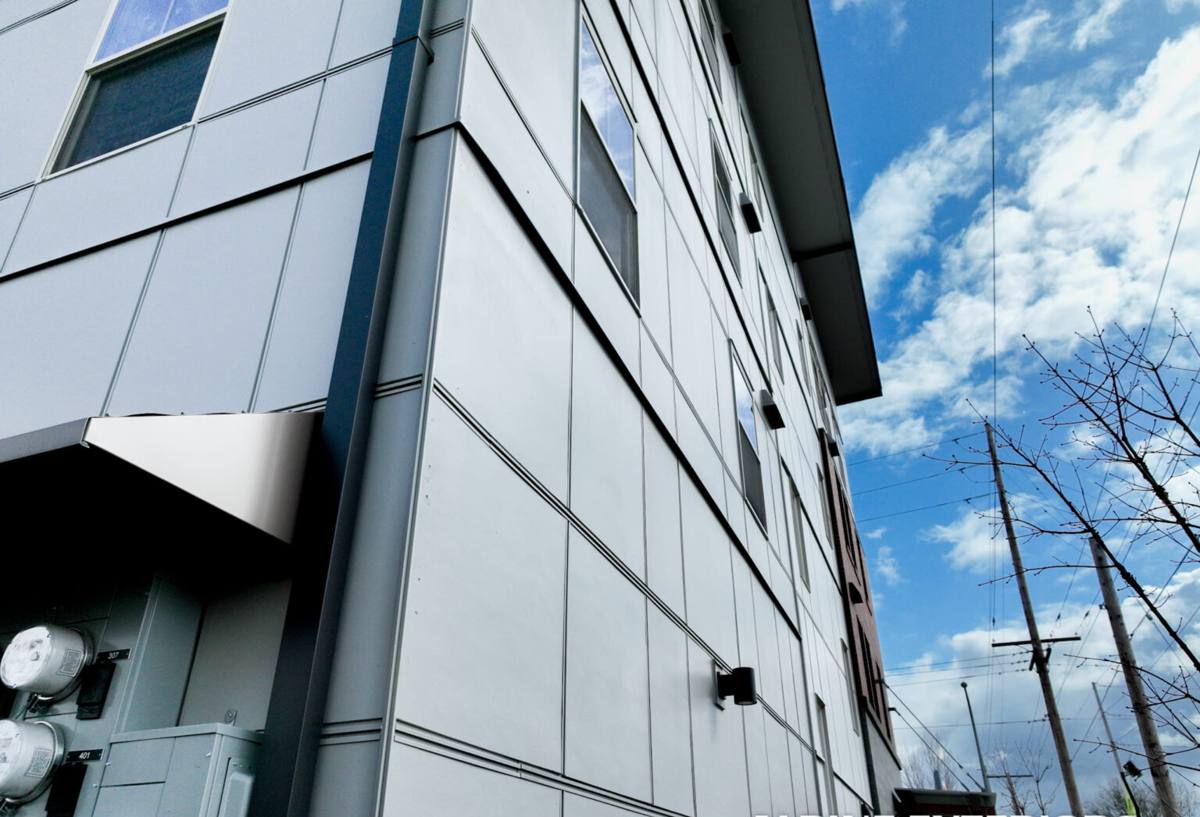
The Three Things Working Against Your Windows
Salt Air
Homes closer to the water pick up airborne salt that settles on metal hardware, frame fasteners, and exposed sills. Over time this accelerates corrosion on lower-quality hardware and can eat away at unprotected wood and metal components faster than homeowners expect. It's a slow process, which is exactly why it tends to go unnoticed until a window won't latch properly or a frame starts to flake.
Driving Rain
Wind off the water doesn't just drop rain straight down — it pushes it sideways into siding and window assemblies. If flashing and weather barriers weren't detailed correctly around a window opening, wind-driven rain finds its way behind the trim and into the wall cavity. This is one of the most common causes of hidden rot we find, and it's rarely visible until the damage is already significant.
Moss Season
Whatcom County's long wet season keeps moss and algae active on north-facing and shaded surfaces for much of the year. On windows, that usually shows up as green growth in corners, on sills, and in track channels — areas that stay damp and get less sun. Beyond looking bad, trapped moisture under moss growth keeps wood and sealants wet longer than they should be, which shortens their working life.
Signs Your Windows Are Telling You Something
- Fogging or a hazy film between the panes of a double-pane window — the seal has failed and the gas fill is gone
- Soft or spongy wood at the sill or lower frame corners when pressed with a fingertip
- Visible daylight or a noticeable draft around the frame when the window is closed and locked
- Difficulty opening, closing, or locking a window that used to operate smoothly
- Paint that's bubbling, peeling, or repeatedly failing on the exterior trim around the window
- A musty smell or discoloration on the interior wall or trim near a window
- Noticeably colder rooms near windows during winter, or condensation forming on the interior glass
Any one of these on its own might be minor. Two or three together, especially on the same window, usually mean it's worth a closer look before the problem spreads into the surrounding wall.
Repair or Replace: How We Think Through It
Not every window problem means a full replacement, and we'd rather tell you that upfront than sell you something you don't need. The honest answer depends on what's actually failing — the glass unit, the frame, the hardware, or the surrounding wall assembly.
| Situation | Repair Usually Makes Sense | Replacement Usually Makes Sense |
|---|---|---|
| Fogged glass, sound frame | Yes — glass unit swap | No, unless frame is also failing |
| Sticky or misaligned operation | Yes — hardware or track adjustment | Only if frame has warped |
| Soft wood at sill or corners | Sometimes, if damage is localized | Often, if rot has spread into the frame |
| Persistent drafts despite good weatherstripping | Rarely resolves fully | Usually the better long-term fix |
| Single-pane, original to an older home | Can extend life short-term | Best value over 10+ years in this climate |
| Visible water staining on interior wall below window | No | Yes — investigate wall assembly too |
When we come out for an estimate, we're checking the glass, the frame material and condition, the hardware, and — just as important — what's happening behind the trim. A window that looks fine from the inside can still be sitting in a wet wall cavity, and that's not something you fix by swapping the sash.
Window Materials for This Climate
There's no single "best" window material for every home, but some materials handle Bellingham's moisture and salt exposure better than others as a matter of maintenance and long-term performance.
Vinyl
Vinyl frames don't rot, don't need painting, and resist salt-air corrosion well since there's no exposed metal hardware on the frame face. The trade-off is a more limited color range and, on lower-end product lines, frames that can flex or discolor over many years. For most Bellingham homes looking for a low-maintenance, budget-conscious option, quality vinyl is a solid choice.
Fiberglass
Fiberglass frames expand and contract at close to the same rate as glass, which helps seals last longer, and the material itself is very stable in wet, temperature-swinging conditions. It costs more than vinyl but tends to hold paint and color better over time if you want a specific finish.
Wood and Wood-Clad
Wood windows have real appeal, especially on older or historic-style Bellingham homes, but wood is the material most affected by this region's moisture. Wood-clad windows (wood interior, metal or vinyl exterior cladding) can work well, but only when flashing and cladding details are done correctly — any gap in that cladding becomes an entry point for the exact moisture problems we described above. We're upfront with clients about this trade-off rather than pretending wood performs the same here as it would in a drier climate.
Aluminum
Aluminum frames are durable but conduct heat and cold efficiently, which means more condensation risk and higher energy loss unless the frame has a proper thermal break. Near the water, aluminum also needs a good finish to resist salt corrosion over time.
Energy Performance in a Marine Climate
Whatcom County doesn't get extreme heat, but it does get long, damp, chilly winters, and that's where window performance actually matters most for comfort and energy bills. A few numbers worth understanding before you compare quotes:
- U-factor measures how well a window resists heat loss — lower is better, and it's the number that matters most for our winters
- Low-E coatings reflect radiant heat while still letting daylight through, which helps keep rooms warmer without dark tinting
- Argon or krypton gas fills between panes slow heat transfer further, but only if the seal holds — this is exactly why fogged units lose their efficiency benefit
- Condensation resistance matters more here than in drier climates, since interior humidity combined with cold glass surfaces is a common source of window sweating
Triple-pane windows are worth discussing for north-facing rooms or homes closer to the water where wind exposure is higher, but they aren't automatically the right call for every opening — it comes down to orientation, budget, and how the rest of the home is insulated.
How We Handle a Window Project
Because we also do siding, roofing, and decks, we look at window replacement as part of the whole exterior envelope, not an isolated swap. That matters because window openings interact directly with siding, flashing, and roof drainage — a window installed correctly but poorly integrated with the surrounding siding can still leak.
Our general approach on a Bellingham job:
- Assess the existing window, frame, and — where accessible — the condition of the wall assembly around it
- Identify whether the issue is isolated to the window unit or connected to a larger moisture or flashing problem
- Recommend repair or replacement honestly, based on what we find, not a default sales pitch
- If replacing, properly flash and integrate the new window with the existing siding and weather barrier
- Confirm operation, sealing, and finish work before calling the job complete
We also pay attention to timing. Window replacement openings expose your wall to weather while the work is underway, so scheduling around Whatcom County's wetter stretches — and working efficiently once an opening is exposed — is part of doing the job right, not an afterthought.
Why a Local Crew Matters
A contractor who works around Bellingham and Birch Bay regularly has already seen how salt air, wind-driven rain, and moss season affect homes in this specific area — that's not something you can fully substitute with a generic install guide. Local familiarity also helps with practical things: knowing which products hold up in this climate, understanding typical construction in older Whatcom County homes, and being available for follow-up if a question comes up after the install.
We're not going to tell you every out-of-area contractor does bad work — plenty are competent. But there's real value in working with a crew that's dealt with this exact combination of coastal weather conditions before, rather than learning it on your project.
A Quick Checklist Before You Get Estimates
- Note which windows have visible fogging, drafts, or operating problems
- Check for soft wood or paint failure at sills and lower corners
- Look for water staining on interior walls or trim below windows
- Ask any contractor how they'll handle flashing and integration with your existing siding
- Ask what frame material they'd recommend for your home's exposure and why
- Get a clear explanation of U-factor and seal warranty, not just a sticker price
If you're seeing any of the signs above, or you just want an honest read on whether your windows have some life left in them, we're happy to take a look. We offer free, no-pressure estimates for homes in Bellingham and throughout Whatcom County — reach out using the form below and we'll get a time on the calendar.