 Birch Bay Window
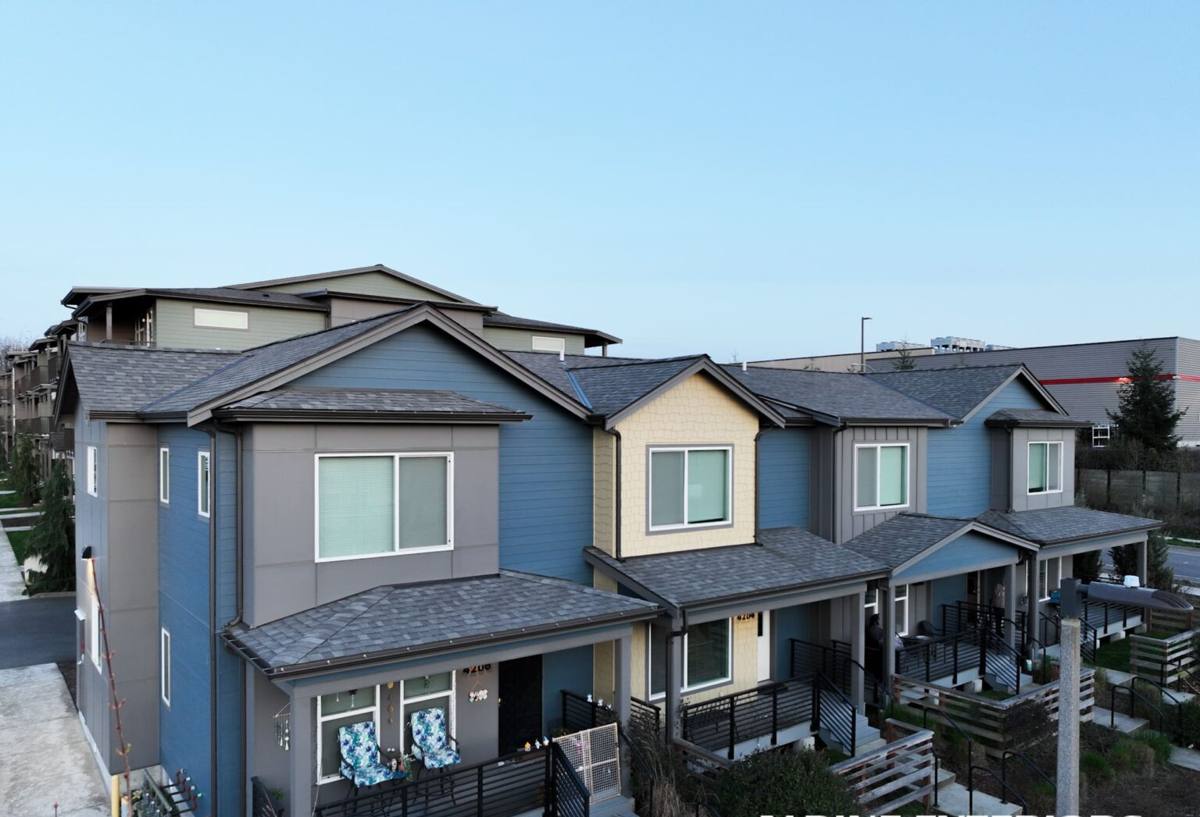
 Cottonwood Beach: A Beautiful Place to Live, A Tough Place to Build
Cottonwood Beach sits right where the water meets the neighborhood, and that proximity is exactly why homes here take more of a beating than houses just a few miles inland. Salt-laden air moves off the water and settles on everything — siding, window frames, roof metal, deck fasteners — every single day, whether or not it's raining. Add in wind-driven rain that comes in sideways during winter storms, and a moss season in Whatcom County that can run eight or nine months out of the year, and you've got a climate that's constantly testing the exterior of every home in the area.
We've worked on enough houses along the Birch Bay shoreline to know that "standard" installation practices — the kind that work fine in a drier, inland part of the state — don't always hold up here. Flashing details, fastener choices, ventilation, and even how a crew sequences a job around the weather all matter more when you're this close to salt water. This page covers what we see most often in Cottonwood Beach, and how we approach windows, siding, roofing, and decks differently because of it.
What Salt Air, Rain, and Moss Actually Do to a Home
It helps to understand the specific mechanisms at work, because they're different from generic "weather damage."
Salt Air
Airborne salt is corrosive to exposed metal — nail heads, flashing, screws, hinges, and lower-grade hardware all corrode faster near the water than they would even a short distance inland. Corroding fasteners are one of the most common causes of premature siding and trim failure we find on coastal homes, simply because the fastener gives out long before the material around it would have.
Driving Rain
Wind-driven rain doesn't just fall — it gets pushed sideways and upward into seams, laps, and joints that were only ever designed to shed water moving straight down. That means window flashing, siding overlaps, and roof-to-wall transitions need to be detailed for wind-driven exposure, not just standard rainfall.
Moss and Prolonged Moisture
Whatcom County's long wet season keeps north-facing roof slopes, shaded siding, and low-airflow deck areas damp for extended stretches. Moss and algae take hold in exactly those conditions, and once established, moss holds moisture against roofing and siding materials far longer than the surface would otherwise stay wet — which accelerates rot, granule loss on shingles, and coating breakdown.
Windows: Getting the Details Right for a Marine Climate
Windows are often where coastal wear shows up first, because a window assembly has more seams, seals, and moving parts than almost any other part of the exterior.
Frame Material
Vinyl and fiberglass frames generally hold up well against salt air since they don't corrode, but the hardware inside them — hinges, locks, balances — does matter. We pay attention to hardware quality on coastal installs specifically because that's the part most likely to corrode or bind first, well before the frame itself shows any wear.
Glazing and Seals
Double- and triple-pane units rely on a sealed edge to keep insulating gas in and moisture out. Constant humidity and salt exposure put more stress on that seal over time, so we look closely at manufacturer warranty terms on seal failure and fogging when we're helping a homeowner choose a unit for a home this close to the water.
Installation and Flashing
A quality window installed with poor flashing will leak eventually — that's true anywhere, but the timeline shrinks dramatically with wind-driven rain. We flash every window opening to shed water outward and downward at each layer, with particular attention to the sill pan and head flashing, since those are the two spots most likely to let water track back into the wall framing on an exposed elevation.
Windows
Siding: Managing Moisture, Not Just Blocking It
The biggest mistake in coastal siding work is treating the cladding as the only line of defense. Good siding systems assume some moisture will get behind the surface material eventually, and they're built to let it drain and dry out rather than trap it.
Drainage Gap and House Wrap
A properly installed water-resistive barrier with a drainage plane behind the siding gives incidental moisture somewhere to go instead of sitting against the sheathing. This matters more on a wind-exposed, salt-air lot than it does on a sheltered inland site.
Fastener Choice
We use fasteners rated for coastal or marine exposure rather than standard galvanized fasteners, because standard coatings can corrode faster in salt air than the siding material they're holding on. A corroded fastener head is one of the most common small failures that leads to a much bigger repair down the line.
Material Trade-Offs
Every siding material has a different relationship with moisture and salt exposure. We'll walk through the honest trade-offs for your specific home rather than push one product — maintenance schedule, appearance over time, and how forgiving the material is if water does get behind it all factor in.
Roofing: Built to Handle a Long Moss Season
Roofs in Cottonwood Beach fight two battles at once: shedding wind-driven rain and resisting moss growth through a long damp season.
Ventilation
Proper attic and roof ventilation keeps the underside of the roof deck drier, which reduces the conditions moss and algae need to establish. Poor ventilation is an underrated contributor to premature roof aging on coastal homes — it's not just about sun and rain exposure from above.
Flashing at Valleys, Walls, and Penetrations
Roof-to-wall transitions, valleys, and any roof penetration (vents, chimneys, skylights) are the highest-risk spots for wind-driven rain intrusion. We give these areas extra attention on every coastal roofing job, since a small flashing gap here causes a disproportionate amount of the leaks we get called out to fix.
Moss Prevention vs. Moss Removal
Once moss is established, removal has to be done carefully — aggressive scraping or high-pressure washing can strip granules and shorten a roof's remaining life. We favor gentler removal methods combined with preventive measures (like strategically placed zinc or copper strips) that reduce regrowth without damaging the roofing material itself.
Decks: Fasteners and Fastening Details Matter Most
A deck built right next to the salt air experiences accelerated wear in the same spots every time: fasteners, connectors, and any hardware holding structural members together.
Structural Hardware
We use corrosion-resistant structural connectors and fasteners rated for the exposure, since standard hardware can corrode from the inside out — often invisibly — long before the visible decking shows any wear. This is a safety issue as much as a cosmetic one, because it's the ledger connections and joist hangers holding the deck up.
Decking Material
Composite, PVC, and properly maintained wood decking each handle coastal moisture differently. We'll talk through upfront cost versus long-term maintenance honestly, since the right choice really does depend on how much upkeep a homeowner wants to take on.
Drainage and Airflow Underneath
Decks built low to the ground or over unventilated space trap moisture underneath, which speeds up rot in framing members that are hard to inspect and expensive to replace. Good under-deck airflow and drainage design pays for itself over the life of the structure.
Material Comparison for Coastal Exposure
| Component | Coastal Stressor | What We Prioritize |
|---|---|---|
| Window frames | Salt air, hardware corrosion | Corrosion-resistant hardware, quality seals, warranty terms on seal failure |
| Siding | Wind-driven rain, fastener corrosion | Drainage plane behind cladding, marine-rated fasteners |
| Roofing | Moss, prolonged moisture | Attic ventilation, careful flashing at penetrations, gentle moss control |
| Decking | Hardware corrosion, under-deck moisture | Corrosion-resistant structural connectors, drainage/airflow underneath |
Why a Local Crew Makes a Real Difference
Exterior work in Birch Bay and along Cottonwood Beach isn't identical to exterior work a few miles inland, and it isn't identical to exterior work in a different coastal county either. A crew that works this stretch of Whatcom County regularly knows which elevations take the worst of the wind-driven rain, how long moss season actually runs here, and which fastener and flashing details hold up versus which ones fail early. That local knowledge shows up in small decisions on every job — where we add extra flashing, which fasteners we reach for, how we sequence work around the weather window we've got.
It also means faster response when something needs attention. A local crew can get back out to a Cottonwood Beach home for a warranty check or a follow-up repair without the same scheduling lag a company based further away might have.
Seasonal Exterior Checklist for Cottonwood Beach Homes
- Check window seals and frames for fogging, difficulty operating, or visible corrosion on hardware
- Look at siding fasteners and trim for rust streaks, which often signal a corroding fastener underneath
- Inspect north-facing and shaded roof slopes for moss buildup before it spreads
- Check attic ventilation isn't blocked by insulation or debris
- Look under the deck for standing moisture, soft spots, or rusted hardware at connections
- Clear gutters and downspouts before the wet season ramps up, since clogged gutters push water into places it shouldn't go
- Walk the exterior after major windstorms to spot any new gaps, lifted siding, or roof damage early
What Working With Us Looks Like
We start with an on-site look at the specific exposure your home faces — which elevation takes the brunt of the weather, how the current windows, siding, roofing, or deck are holding up, and where we're seeing early signs of moisture or corrosion. From there we give a straightforward assessment: what needs attention now, what can be monitored, and what the honest cost range looks like for the work involved.
We handle windows, siding, roofing, and decks as connected systems rather than separate trades, because on a coastal home they really do interact — a roof leak can show up as siding damage, and poor deck drainage can affect the wall assembly behind it. Having one crew that understands all four means fewer gaps between contractors and a more consistent standard applied across the whole exterior.
Get a Straight Answer for Your Home
If you're noticing corrosion on fasteners, moss creeping across the roof, drafty windows, or a deck that's starting to feel soft in spots, it's worth having a local crew take a look before small issues turn into bigger repairs. We're happy to walk your property, point out what we see, and give you a clear, no-pressure estimate — just fill out the form below to get started.