 Birch Bay Window
 Windows in Nooksack: Built for Whatcom County's Wet Side
Homes around Nooksack sit inland from Birch Bay proper, but the weather doesn't respect that distance the way a map does. Moisture off the Salish Sea, long stretches of low cloud, and a wind pattern that funnels through the county's river valleys all reach this area in force. Windows here work harder than windows in drier parts of the state, and they show wear differently — not just fogged glass, but soft trim, chalky vinyl, and frames that never quite dry out between storms.
We've built our window replacement process around that reality. This page walks through what local homes tend to face, how we handle a replacement from first look to final seal, and what actually matters when you're picking materials for a house that sits in this climate zone.
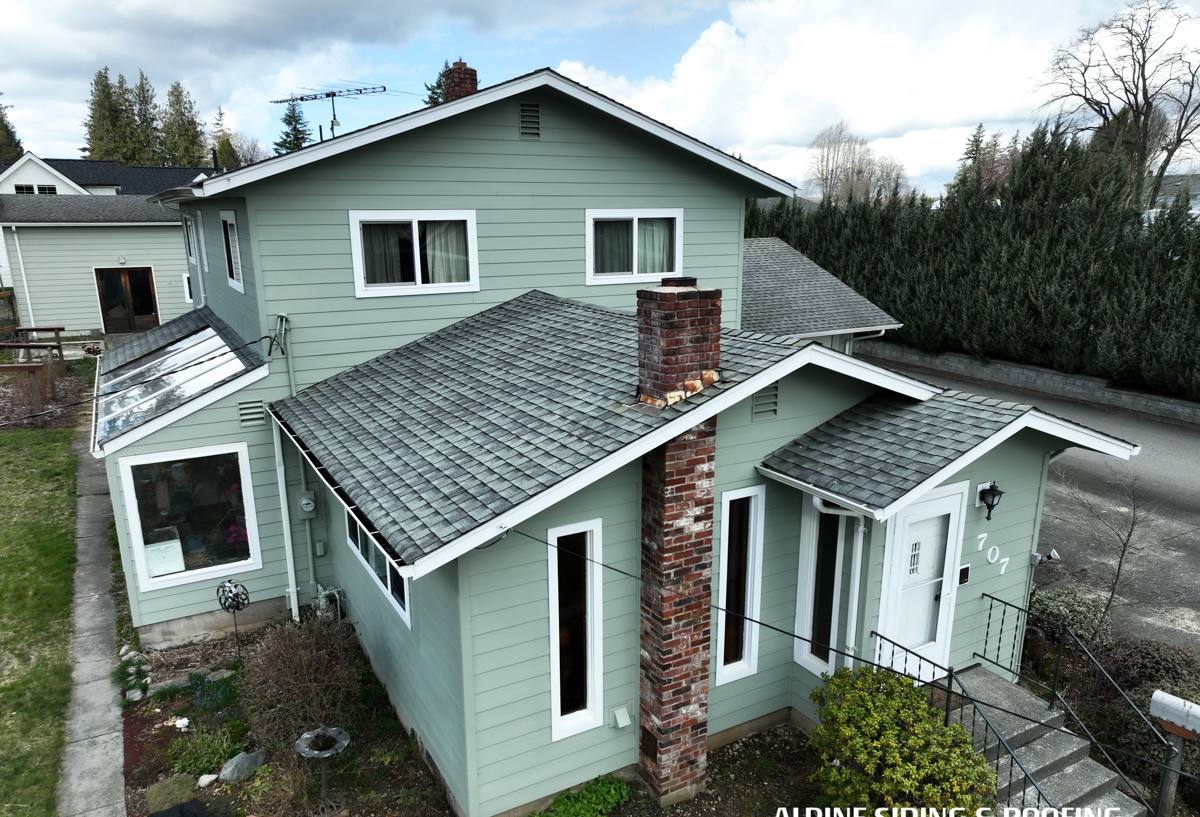
What Nooksack-Area Homes Face Each Year
Salt Air and Corrosion
Even set back from the water, homes in this part of Whatcom County get enough airborne salt to accelerate corrosion on hardware — hinges, cranks, locks, and screws that aren't rated for coastal exposure. Cheaper window hardware can start seizing or staining within a few years. It's one of the first things we check on an older window: does the hardware still move freely, or has it started to bind and rust?
Driving Rain
This region doesn't just get rain — it gets wind-driven rain that hits windows at an angle instead of falling straight down. That matters because it pushes water into gaps that a vertical-only design would never see. Flashing details and sill pitch matter more here than they would in a calmer climate, and a lot of the leaks we find trace back to a flashing detail that was fine for light rain but never built for a sideways storm.
A Long Moss and Mildew Season
Cool, damp conditions persist for much of the year, which means moss, algae, and mildew get a long runway to establish themselves on anything that stays wet — window sills, exterior trim, and the caulk lines around a frame. Once mildew gets into a porous sealant or wood sill, it's very hard to fully clean out, and it tends to come back faster each season.
Temperature Swings and Condensation
Cold nights and humid days create condensation on interior glass, especially with older single-pane or early double-pane windows. Persistent condensation between panes is usually a sign the seal has failed — not a cleaning problem, a replacement problem.
Signs Your Windows Are Losing the Battle
- Fogging or moisture trapped between panes that won't clear when you clean the glass
- Hardware — locks, cranks, hinges — that sticks, grinds, or has visible rust or corrosion
- Soft, spongy, or darkened wood at the sill or lower frame corners
- Visible gaps or daylight around the frame when the window is closed
- A noticeable draft near the window even with it fully latched
- Moss or dark green/black staining building up on the sill or exterior trim
- Paint that's bubbling, peeling, or chalking on the exterior frame
- Windows that are noticeably harder to open and close than they used to be
- Higher heating bills without another clear explanation
Any one of these on its own might just mean a window needs attention. Several at once, especially on the same wall or exposure, usually points to a bigger moisture problem behind the trim that's worth having a crew look at directly.
How We Approach a Window Replacement
The Initial Look
We start outside and in. From the exterior we're checking flashing, caulk lines, sill pitch, and how water has historically shed off that wall. From the interior we're checking for soft framing, staining below the sill, and how the sash and hardware are holding up. On a lot of Nooksack-area homes, the exposure that faces prevailing weather shows problems years before the sheltered side does — so we treat each wall on its own merits rather than assuming the whole house needs the same scope of work.
Full-Frame vs. Insert Replacement
Where the existing frame is still structurally sound, an insert replacement — fitting a new window into the existing frame — is often the faster, less invasive option. Where we find rot, soft wood, or a flashing setup that's already failing, we recommend full-frame replacement so we can correct the water management, not just cover it up. We'll walk you through which category your windows fall into and why, rather than defaulting to whichever is easier for us.
Flashing and Sealing Done for This Climate
Given how much wind-driven rain this area sees, we pay particular attention to head flashing, sill pans, and how the window ties into the surrounding siding or trim. A window is only as good as the water management around it — a great window installed with poor flashing will leak just like a cheap one.
Cleanup and Walkthrough
We haul away old windows and debris, and walk the finished work with you so you know what was done, what to watch for, and how the new hardware and any weatherstripping should feel when it's operating correctly.
Choosing the Right Window for This Climate
Frame material matters more here than in drier climates, because it has to handle sustained moisture exposure, not just occasional rain. We generally steer homeowners away from products that trap moisture against wood or that rely on maintenance schedules people realistically won't keep up with — not because a product is bad everywhere, but because it's a poor match for this specific set of conditions.
| Frame Type | How It Handles Local Conditions | Maintenance Reality |
|---|---|---|
| Vinyl | Doesn't rot or corrode; handles damp cycles well | Low — periodic cleaning, no painting or sealing |
| Fiberglass | Very stable in temperature swings; strong moisture resistance | Low — occasional cleaning, holds paint well if ever changed |
| Aluminum | Durable but conducts cold, more prone to interior condensation here | Moderate — hardware and seals need periodic checks |
| Wood (unclad) | Handsome, but exposed wood struggles against constant damp and moss growth | High — regular painting/sealing, real risk if neglected |
| Wood-clad | Cladding protects the exterior face; still relies on flawless seal at the cladding joint | Moderate to high — vulnerable if the clad seal is ever compromised |
Our general standard for this area is to favor vinyl or fiberglass on exposures that take the brunt of the weather, and to reserve unclad wood for sheltered elevations or interior aesthetic priorities where a homeowner is committed to the upkeep. This isn't a knock on wood windows — it's an honest read on what a damp, moss-prone climate does to a material that needs to stay dry to perform.
Windows Are Part of a Bigger Exterior System
A window doesn't work in isolation — it's tied into the siding, the trim, the roof edge above it, and sometimes a deck or porch nearby. Because we handle siding, roofing, windows, and decks, we look at a window project in the context of the wall it sits in, not as an isolated swap. If the siding around a window is already failing, or the roofline above it is shedding water onto the header, replacing the window alone just delays the next problem.
Where Windows Meet Siding
Poor transitions between window trim and siding are a common source of hidden leaks. When we replace windows on a home where the siding is aging out too, we'll flag it honestly — sometimes it makes sense to handle both at once, sometimes the siding still has good years left.
Where Windows Meet Rooflines
Windows tucked under a roof edge, dormer, or short overhang depend on that roofing detail draining correctly. If a roof is due for attention, we'll say so rather than install a window and leave it exposed to a water problem coming from above.
Cost Factors for Nooksack-Area Window Projects
Every home is different, but a few factors consistently move the price on projects in this area more than homeowners expect:
| Factor | Why It Affects Cost |
|---|---|
| Full-frame vs. insert replacement | Full-frame work involves more carpentry, flashing, and finish work |
| Hidden rot or soft framing | Damp exposures here sometimes hide damage that isn't visible until the old window is out |
| Window count and size | Larger openings and multi-window projects have more material and labor per job |
| Frame material | Vinyl is typically the most economical; fiberglass and wood-clad cost more upfront |
| Access and elevation | Second-story or hard-to-reach windows take longer to stage and install safely |
| Trim and siding tie-in | Matching or repairing surrounding trim adds scope beyond the window itself |
We'll give you a clear, itemized estimate once we've actually looked at your windows — we're not going to quote a number over the phone for a job we haven't seen, because the hidden-damage factor above is real and common in this climate.
Why a Local Crew Matters Here
A crew that mostly works drier inland climates can install a technically correct window that still underperforms here, because the flashing and sealing choices that work in low-moisture regions don't hold up against sustained coastal-influenced weather. Working across Whatcom County, including areas like Nooksack near Birch Bay, means we see the same failure patterns repeatedly — which sill details fail first, which exposures take the worst of the wind-driven rain, and which materials actually hold up over years, not just on paper. That local repetition is what informs the recommendations above.
After Installation: Keeping Windows Performing
New windows still need a little seasonal attention in this climate, especially through the wetter months:
- Clean sills and tracks periodically to keep moss and algae from getting a foothold
- Check exterior caulk lines once a year for cracking or separation
- Wipe down hardware occasionally, especially on exposures that catch the most weather
- Watch for condensation between panes — it's the clearest sign a seal has failed, even on a newer window
- Keep gutters and downspouts clear so roof runoff isn't dumping extra water near window heads
None of this is heavy maintenance — it's the same kind of upkeep that keeps any exterior component performing well in a wet climate, and it's a lot less work than dealing with a failed window down the road.
Get a Straight Answer About Your Windows
If you're dealing with drafts, fogged glass, sticking hardware, or you just want an honest read on how much life is left in your current windows, we're happy to take a look. We'll give you a free, no-pressure estimate and tell you plainly what we find — including if the answer is that your windows are still fine.