 Birch Bay Window
 Window Installation Built for the Nooksack Climate
Homes in and around Nooksack sit in a stretch of Whatcom County where the weather doesn't do anything halfway. You get salt-laden air pushing in off the bay, long stretches of driving rain through fall and winter, and a moss season that seems to start earlier every year and hang on longer. None of that is a problem for a window that's installed correctly. Almost all of it becomes a problem for a window that isn't. We install windows for this specific climate, not a generic one, and that difference shows up in how the job is done, not just in what product goes into the opening.
A lot of window trouble we get called out to fix didn't start with a bad window. It started with a fine window installed with shortcuts that don't matter in a dry climate but matter a great deal here. Flashing sequence, sill pan drainage, sealant choice, and how the rough opening is prepped all carry more weight in a place that sees this much sustained moisture and salt exposure than they would somewhere drier.
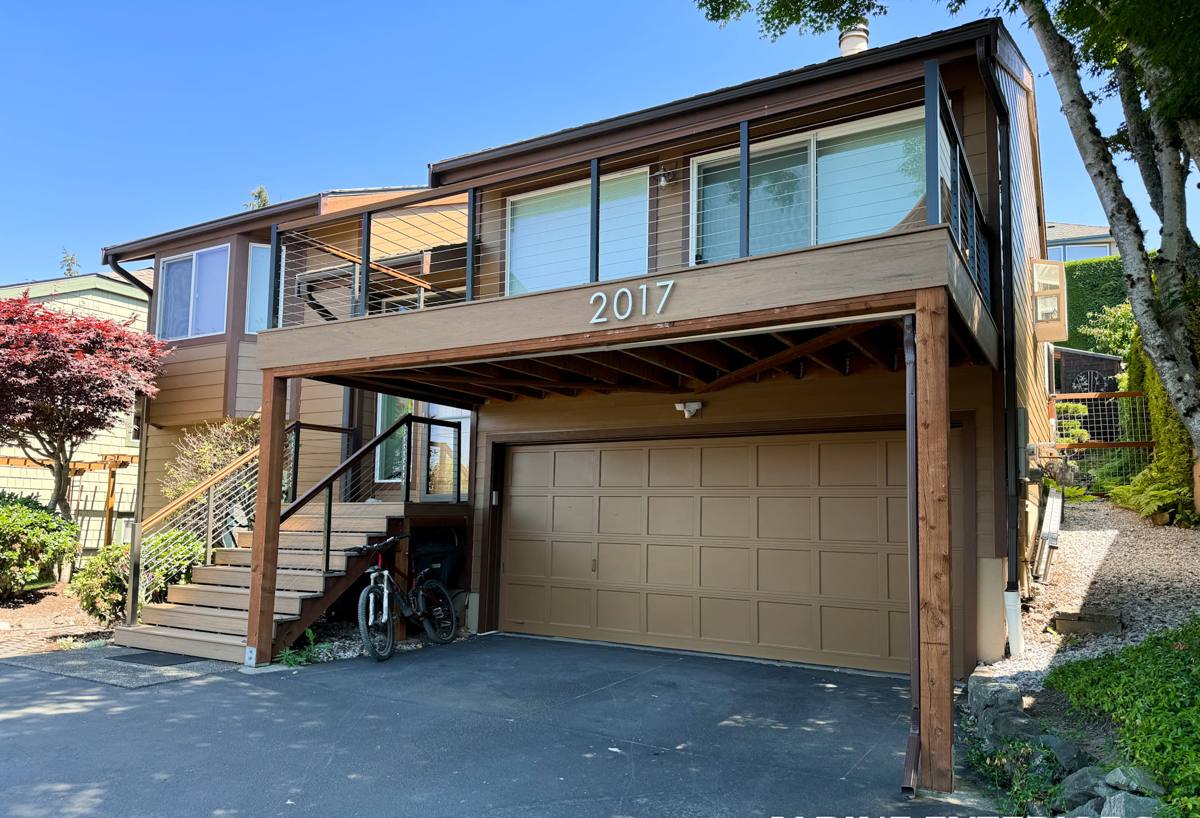
What Salt Air, Driving Rain, and Moss Season Actually Do
Salt Air
Being close to the water means airborne salt settles on everything, including window hardware, screen frames, and exposed fasteners. Over years, salt exposure accelerates corrosion on lower-grade hardware and can degrade some finishes faster than a manufacturer's standard warranty testing assumes, since that testing usually isn't done in a coastal environment. We pay attention to hardware grade and finish coating for exactly this reason.
Driving Rain
Wind-driven rain doesn't fall straight down onto a window, it gets pushed sideways and up under trim, sills, and poorly lapped flashing. A window that would stay dry in a calm rain can leak in a sideways storm if the water management details behind the trim weren't built to handle it. This is the single biggest cause of hidden window leaks we find in this area, and it's almost always an installation issue, not a product defect.
Moss Season
Extended damp, shaded conditions are exactly what moss and algae need to take hold on siding, trim, and window sills. Once organic growth gets established around a window opening, it holds moisture against the frame and trim longer than the surrounding wall would otherwise stay wet. That prolonged dampness is what eventually leads to soft wood, failed caulking, and interior staining if it's not addressed.
Signs a Nooksack-Area Home Needs New Windows
Not every old window needs replacing, and not every problem window needs a full replacement either. Some issues are hardware or seal repairs. Here's what typically points to a real replacement need in this climate:
- Fogging or a visible haze between panes, meaning the seal on a double-pane unit has failed
- Soft, spongy, or visibly stained wood at the sill or lower frame corners
- Persistent condensation on the interior glass even with normal ventilation
- Drafts you can feel by hand near the frame edges on a windy day
- Visible daylight or gaps between the frame and the siding or trim
- Moss or dark streaking building up on the sill or the trim directly below the window
- Windows that are difficult to open, close, or lock, especially after a wet season
What a Correct Installation Actually Involves
Preparing the Opening
Before a new window goes in, the rough opening gets inspected for hidden rot or moisture damage from the old unit. Skipping this step and installing a new window over a compromised opening just seals the problem inside the wall, where it keeps working on the framing out of sight.
Sill Pan and Flashing
A sloped sill pan gives any water that gets past the window a way to drain back out instead of pooling at the sill. Flashing tape and building paper get layered in the correct shingle-lap order, so water is always directed down and out, never trapped behind a layer that channels it inward. In a driving-rain climate, this sequencing is the difference between a window that sheds water for decades and one that leaks within a few wet seasons.
Sealing and Insulation
The gap between the window frame and the rough opening gets insulated, not just caulked shut. A gap packed too tight with the wrong material can bow the frame and affect how the sash operates. Exterior sealant is chosen for adhesion and flexibility in coastal humidity, since a bead that cracks or loses adhesion in a couple of years defeats the purpose.
Hardware and Finish
Fasteners and visible hardware are selected with corrosion resistance in mind given the salt air exposure this area gets. It costs a little more up front and saves a callback five years down the road.
Choosing a Window Material for This Climate
Frame material affects how a window handles years of damp, salty air. Here's how the common options generally compare for a home in the Nooksack area:
| Frame Material | Moisture & Salt Behavior | Maintenance | Typical Lifespan Here |
|---|---|---|---|
| Vinyl | Doesn't rust or rot; handles salt air well | Low — occasional cleaning | 20-30+ years |
| Fiberglass | Very stable in moisture and temperature swings | Low | 30+ years |
| Aluminum | Can corrode over time in coastal air unless properly coated | Moderate — watch hardware and finish | Varies with coating quality |
| Wood (clad or unclad) | Attractive but vulnerable to rot if seals or cladding fail | High — regular inspection and finish upkeep | Depends heavily on maintenance |
We don't push one material on every home. A wood-clad window can be the right call for a homeowner who wants that look and is committed to the upkeep. For most Nooksack-area homes dealing with sustained salt and rain exposure, vinyl or fiberglass tends to hold up with the least maintenance burden, which is why we lean toward those as our default recommendation rather than a hard rule.
Our Installation Process
- On-site assessment — we look at your current windows, the condition of the openings, and any existing moisture or drainage issues before recommending anything.
- Product selection — we walk through frame material, glass package, and hardware options suited to your home's exposure and your budget.
- Removal and inspection — old windows come out and we check the framing underneath for hidden damage before anything new goes in.
- Sill pan, flashing, and set — the opening is prepped and the new window is set level, plumb, and square.
- Insulation and sealing — the perimeter gap is insulated and sealed with weather-appropriate materials.
- Trim and finish — interior and exterior trim is reinstalled or replaced to match your home.
- Final walkthrough — we test operation, locks, and seals with you before we consider the job done.
What Affects Cost
Window installation pricing varies by home, and we won't quote a number without seeing the job, but these are the main factors that move the price up or down:
| Factor | Why It Matters |
|---|---|
| Frame material | Vinyl and aluminum generally cost less upfront than fiberglass or wood-clad options |
| Window size and style | Larger units, custom shapes, and multi-pane configurations add labor and material cost |
| Condition of the existing opening | Hidden rot or framing damage found during removal adds repair work |
| Number of windows | Whole-home projects typically bring a lower per-window cost than single replacements |
| Access and second-story work | Difficult access or upper-floor windows can add time and equipment needs |
Why Hiring a Crew That Already Works Nooksack Matters
A contractor who only occasionally works this far into Whatcom County may not have a feel for how aggressively this specific mix of salt air, wind-driven rain, and shaded, damp conditions attacks a window installation over time. We work in this area regularly, which means we've seen what fails here and why, and we build every installation to hold up against those specific conditions rather than a generic weather assumption. That local pattern recognition is worth more than it sounds like on paper — it's the difference between a crew guessing at flashing details and a crew that already knows what this climate demands.
It also means we're accountable locally. If something isn't right after the install, we're not driving in from out of the region to deal with it — we're already working nearby.
Keeping New Windows Performing Long-Term
A correct installation is most of the battle, but a little homeowner upkeep extends the life of any window in this climate. A quick seasonal check covers most of it:
- Wipe down sills and tracks to clear salt residue and debris before it builds up
- Check exterior caulking annually for cracking or gaps, especially after a hard winter
- Remove moss or algae from sills and nearby trim promptly rather than letting it establish
- Test locks and operation each season, since hardware can tighten or stick with humidity changes
- Keep gutters and downspouts clear so roof runoff isn't dumping extra water near window openings
None of this is complicated, but it matters more here than in a drier climate, because the conditions that cause window failure never really take a season off.
Ready to Talk About Your Windows?
If you're noticing drafts, fogged glass, sticking sashes, or moss creeping onto your sills, it's worth a look before another wet season adds to the damage. We offer free, no-pressure estimates for Nooksack-area homeowners — use the form below to get a straightforward assessment of what your windows actually need.