 Birch Bay Window
 Why Blaine Homes Need a Different Approach to Siding
Blaine sits close enough to the water that homes here take a different kind of beating than siding further inland. Salt-laden air off the Strait works into seams and fastener heads over time. Driving rain, pushed sideways by wind off the water, tests every lap, joint, and butt seam on a wall. And the long, wet stretch of fall through spring in Whatcom County means algae and moss get a real foothold on any surface that stays damp and shaded. A siding job that would hold up fine in a drier inland town can fail early here if it wasn't specified and installed with this exposure in mind.
We install siding across the Birch Bay area, and Blaine is one of the neighborhoods where we see the clearest pattern: homes with the right product, installed correctly, weather this environment for decades. Homes with the wrong product, or a rushed install, show problems within a handful of years — usually at the seams, the bottom courses, and anywhere trim meets siding.
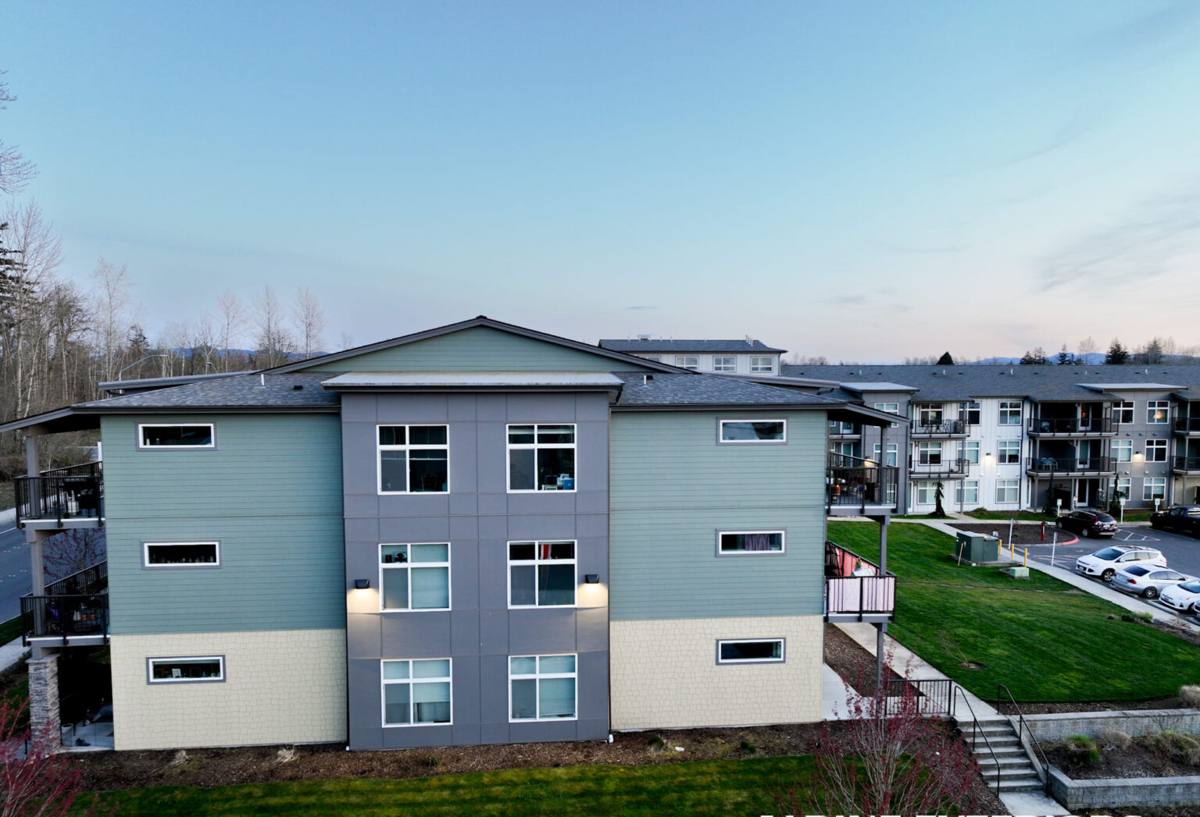
What Salt Air, Rain, and Moss Actually Do to Siding
Salt Air
Airborne salt is corrosive to exposed metal fasteners and can accelerate the breakdown of coatings and adhesives that aren't rated for coastal exposure. It also tends to hold moisture against a surface longer than dry inland air would, which compounds every other issue on this list.
Driving Rain
Wind-driven rain doesn't just fall on a wall — it gets pushed into laps, around penetrations, and behind poorly sealed trim. Siding systems near the water need generous overlaps, correct flashing at every penetration, and a drainage plane behind the cladding that can move incidental water back out before it soaks into sheathing.
Moss and Algae Season
Whatcom County's wet season runs long. Anywhere siding stays shaded and damp — north-facing walls, areas under overhangs, low courses near landscaping — is a candidate for moss and algae growth. This is mostly a maintenance and appearance issue, but on porous or absorbent siding materials, prolonged dampness can also contribute to swelling, cracking, and coating failure over time.
Why We Install Only James Hardie Fiber Cement
We standardized on James Hardie fiber cement siding for every home we side, and coastal Whatcom County towns like Blaine are exactly why. Fiber cement doesn't absorb water the way wood-based or wood-adjacent products can, it doesn't provide the organic material that moss and algae feed on the way some products do, and it's non-combustible. James Hardie's HZ5 product line is engineered specifically for climates like ours — colder, wetter, and more moisture-exposed than the softer-climate HZ10 line built for the Sun Belt.
The factory-applied ColorPlus finish matters here too. It's baked on under controlled conditions and backed by its own finish warranty, which holds up better against sustained damp exposure and salt air than field-applied paint that has to cure in variable outdoor conditions and gets recoated on the homeowner's schedule rather than a factory one.
We don't install vinyl, LP SmartSide, Cemplank, Allura, or primed wood siding. Each of those has legitimate uses in the right setting, but none of them is the product we're willing to warranty on a home exposed to this level of salt air and driving rain. Fiber cement, installed to Hardie's specifications, is what we put on Blaine homes.
What a Correct Installation Actually Involves
Fiber cement siding is only as good as the install behind it. The material itself resists moisture and pests, but the assembly around it — flashing, weather-resistive barrier, fastening, and joint treatment — is what determines whether water gets managed or gets trapped.
- A continuous, correctly lapped weather-resistive barrier behind the siding, with all penetrations flashed before a single course goes up
- Proper starter strip and first-course setup so the bottom edge sheds water instead of wicking it
- Correct fastener type, spacing, and depth — over-driven or under-driven nails are one of the most common causes of early siding failure
- Butt joints backed with flashing tape or treated per Hardie's blind-nail specifications, not just caulked and left
- Rain-screen or drainage gap detailing where the wall assembly calls for it, so incidental moisture has somewhere to go
- Correct clearances at grade, decks, and roof lines so siding never sits in standing water or constant splash-back
- Trim and corner details sealed and flashed to shed wind-driven rain rather than funnel it behind the cladding
Skipping or rushing any one of these steps can undermine an otherwise good siding material. This is where a lot of installation problems actually originate — not in the product, but in the details around it.
Our Process for a Blaine Siding Installation
1. On-Site Assessment
We walk the home, check the current siding and sheathing condition, look for existing moisture damage, and note anything specific to the lot — shade patterns, exposure to prevailing wind and rain, drainage around the foundation.
2. Product and Line Selection
We spec the correct James Hardie product and profile for the home — lap siding, panel, or shingle style — and the right HZ climate designation and color system for this coastal exposure.
3. Tear-Off and Sheathing Check
Old siding comes off and we inspect sheathing underneath for rot or moisture damage before anything new goes up. This step gets skipped by crews trying to move fast, and it's the single biggest reason siding jobs fail early.
4. Weather Barrier and Flashing
We install a correctly lapped weather-resistive barrier and flash every window, door, and penetration before the first course of siding goes on.
5. Installation to Hardie Spec
Siding goes up following James Hardie's fastening, clearance, and joint-treatment requirements — the same requirements that keep the manufacturer's warranty intact.
6. Final Walkthrough
We walk the finished job with the homeowner, checking caulking, trim, and any areas of concern before calling it done.
Comparing Approaches: What Actually Holds Up Near the Water
| Factor | Fiber Cement (James Hardie) | Vinyl / Wood-Based Alternatives |
|---|---|---|
| Moisture absorption | Very low — doesn't swell or wick water | Varies; wood-based products can absorb and swell if the finish is compromised |
| Moss/algae resistance | Non-organic surface, less to feed on | Some products offer more organic material for growth |
| Fastener/salt-air durability | Rated for coastal HZ5 exposure | Depends on fastener spec and coating; often not engineered for coastal salt exposure specifically |
| Finish warranty | Factory ColorPlus finish, separate finish warranty | Field-applied paint on wood requires homeowner-scheduled recoating |
| Fire rating | Non-combustible | Combustible (vinyl melts/deforms; wood burns) |
Signs Blaine Homeowners Should Watch For
If your current siding is starting to show trouble, catching it early usually means a repair rather than a full replacement. Watch for:
- Persistent moss or dark staining that returns quickly after cleaning
- Soft or spongy spots when you press on siding, especially near the bottom courses
- Visible gaps or separation at butt joints and corners
- Paint or finish peeling in sheets rather than fading evenly
- Bubbling or discoloration around window and door trim
Any of these near a coastal or high-exposure wall is worth a look before the next wet season sets in.
What Affects Cost on a Blaine Siding Job
Every home is different, but a few factors consistently move the price on a siding installation in this area:
- Whether tear-off reveals sheathing damage that needs repair before new siding goes on
- Home size, number of stories, and complexity of trim, corners, and rooflines
- Siding profile chosen — lap, shingle, or panel — and any custom color or accent work
- Site access and how exposed the property is to wind and driving rain during the work window
We give straightforward, itemized estimates so homeowners can see exactly what's driving the number — no vague lump sums.
Why Hire a Crew That Already Works This Area
A crew that regularly works Blaine and the greater Birch Bay area already knows what this exposure does to a wall assembly, without having to learn it on your home. That means correct flashing details from the start, the right product line specified up front, and no guessing about how much clearance and drainage a given wall needs. It also means we're a known, local presence if a warranty question ever comes up down the road — not a crew that did one job in the area and moved on.
If you're weighing a siding replacement or new installation in Blaine, we're happy to walk the property, look at what's there now, and give you a straightforward, no-pressure estimate. There's no obligation — just a clear look at what your home actually needs.