 Birch Bay Window
 Why Point Whitehorn Puts Windows Through More Than Most Homes
Point Whitehorn sits right up against the water, and that location comes with a trade-off. The views are hard to beat, but the exposure is real. Homes here take a steady diet of salt-laden air, wind-driven rain that comes in sideways instead of straight down, and long stretches of gray, damp weather that keep everything outside slightly wet for months at a time. Windows are one of the first things on a house to show the wear from that combination, and by the time it's visible on the inside — fogged glass, soft trim, a draft you can feel from across the room — the damage has usually been building for a while.
We install windows throughout Birch Bay and the rest of Whatcom County, but Point Whitehorn homes get treated differently from the start. The install details that matter here aren't the same ones that matter on a sheltered inland lot, and skipping them is how a "new window" ends up with the same problems as the one it replaced, just on a five-year delay instead of fifteen.
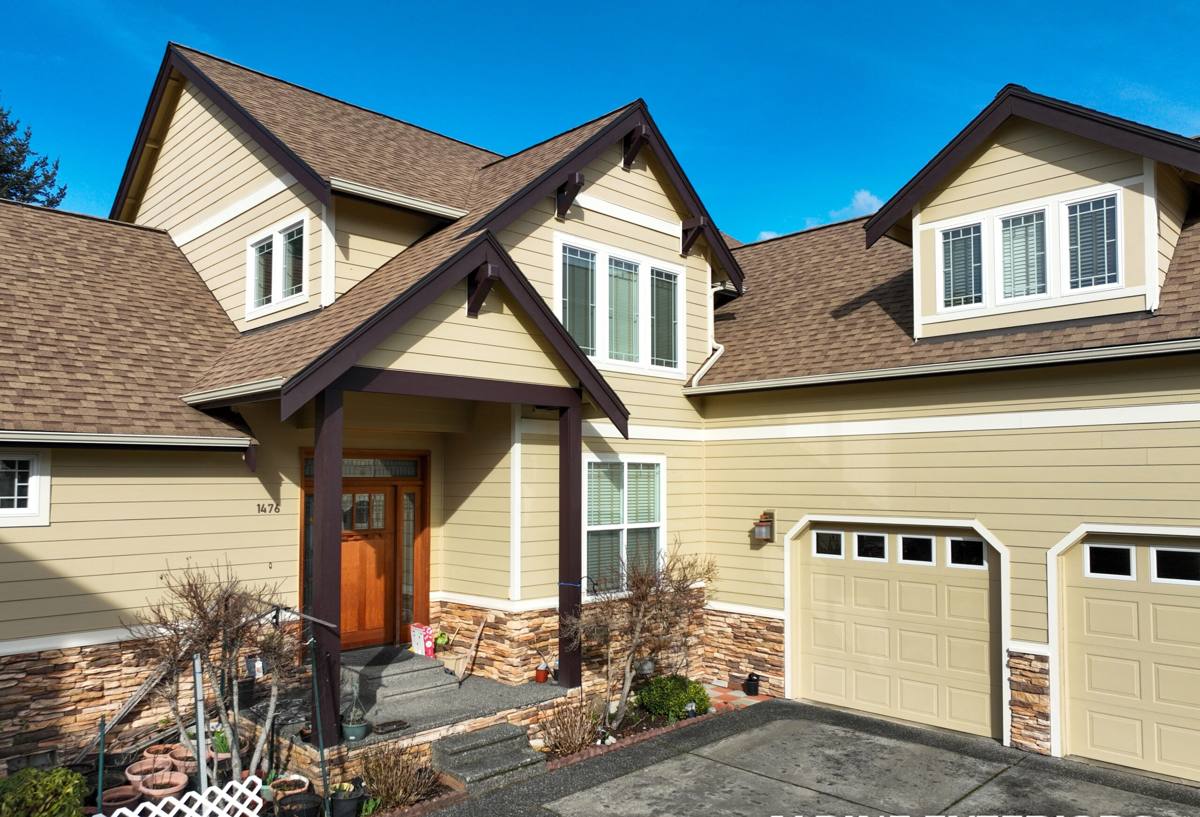
What the Coastal Exposure Actually Does to a Window
Salt Air and Metal Fatigue
Salt in the air settles on everything, including window hardware, screen frames, and any exposed fasteners or flashing. Over time it accelerates corrosion on lower-grade hardware and can pit or dull finishes that would last decades a few miles further inland. This is less about the glass and more about the moving parts — locks, hinges, balance systems — and the metal components tucked into the frame that you never see until they fail.
Driving Rain and Wind Direction
Point Whitehorn's exposure means rain doesn't always fall straight down. Wind off the water can drive it sideways and up under trim, sills, and anywhere a window opening isn't sealed the way it should be. A window that would perform fine in a calmer setting can leak here simply because the water is hitting it from an angle the original installer didn't plan for.
Moss, Shade, and Trapped Moisture
Whatcom County's long wet season means moss and algae get a real foothold on north-facing walls, shaded trim, and anywhere air doesn't move freely. Around windows, that growth holds moisture against wood trim and caulk lines far longer than plain rain does, which is part of why we see rot at window corners and sills years before the rest of the siding shows any wear.
What a Correct Installation Involves
A window install is really a water-management job with glass attached to it. The window itself matters, but most of the failures we get called out for trace back to the opening, not the unit. On a Point Whitehorn home, we treat every step below as non-negotiable, not optional upgrades.
Opening Inspection and Prep
Before anything new goes in, we remove the old window and check the framing, sill, and sheathing behind it for rot, soft spots, or old water staining. On homes near the water, we routinely find damage here that wasn't visible from outside — old flashing that failed quietly for years. Any compromised wood gets replaced before we move forward; sealing a window into a damaged opening just hides the problem.
Flashing and Water Management
This is the step that matters most in this location. Proper flashing directs any water that gets past the window back out, rather than letting it pool at the sill or work into the wall assembly. That means correctly lapped house wrap, sill pans that catch and shed water, and head flashing sized for wind-driven rain, not just a light drizzle. We treat this as the actual job, with the window as one part of it.
Insulation and Air Sealing
Gaps around a new window get filled with proper low-expansion foam or backer rod and sealant, not stuffed with fiberglass insulation, which does nothing to stop air or moisture movement. A well-sealed opening also cuts down on the drafts and condensation that show up on interior sills during cold, damp stretches.
Finish Work and Sealant Choice
Exterior trim and caulking are chosen for coastal, high-moisture conditions, not the cheapest option that will pass inspection. We also make sure trim details shed water away from joints rather than collecting it, since a well-built window can still fail early if the trim around it holds moisture against the frame.
Choosing a Window Type for This Location
There's no single "best" window for every home, but some materials handle salt air and constant moisture better than others. Here's how the common options compare for a Point Whitehorn setting specifically.
| Frame Material | Coastal Durability | Maintenance | Notes for This Area |
|---|---|---|---|
| Vinyl | Good | Low | Doesn't corrode; quality varies a lot between manufacturers, so hardware and weatherstripping grade matter |
| Fiberglass | Very good | Low | Handles temperature swings and moisture well; higher upfront cost, longer service life in this climate |
| Aluminum | Fair | Moderate | Conducts cold and can show corrosion faster near salt air unless properly coated |
| Wood-Clad | Fair to good | Higher | Attractive option, but exterior cladding integrity and sealant maintenance are critical this close to the water |
We don't push one brand or material on every job. We'll walk through what fits your home's exposure, budget, and how much upkeep you actually want to do, and explain the trade-offs honestly rather than steering you toward whatever has the best margin.
Our Process for Point Whitehorn Installations
- On-site assessment — We look at current windows, framing condition, and how exposed each side of the house is to wind and rain before recommending anything.
- Honest scope and estimate — You get a written estimate that separates window cost from any framing repair or flashing work needed, so there are no surprises mid-project.
- Scheduling around weather — Openings are only exposed when conditions allow a clean, dry install; we don't rush a job into a wet forecast to hit a deadline.
- Install with proper flashing and sealing — Every unit gets the sill pan, flashing, and sealing steps described above, regardless of window price point.
- Final check and walkthrough — We test operation, check seals, and walk the exterior finish work with you before calling the job done.
Signs Your Point Whitehorn Home Needs New Windows
Some warning signs are obvious; others show up slowly and get written off as "just an old house." Worth checking for:
- Fogging or moisture trapped between panes (a failed seal, not a cleaning issue)
- Visible corrosion or stiffness in locks, latches, or cranks
- Soft, discolored, or spongy trim and sills around the window frame
- Moss or dark staining building up on trim, especially on shaded or north-facing walls
- Noticeable drafts or cold spots near windows during windy weather
- Difficulty opening, closing, or latching a window that used to work fine
- Rising heating bills without any other clear explanation
Mistakes We Commonly Find in Coastal Window Jobs
A lot of the repeat work we get called for in this area isn't from bad windows — it's from installation shortcuts that don't hold up to this climate. The most common ones: skipping a proper sill pan and relying on caulk alone to keep water out, reusing old flashing instead of replacing it, and using standard interior-grade sealants that break down faster under constant salt and moisture exposure. None of these show up as a problem on install day. They show up two or three winters later, which is exactly why we don't cut corners on them the first time.
Maintenance After Installation
A properly installed window in this location still needs a small amount of upkeep to get its full lifespan. During moss season, keep trim and sills brushed clear of buildup rather than letting it sit against the wood. Rinse accumulated salt residue off exterior frames and glass periodically, especially after storms. Check weatherstripping and hardware once a year for stiffness or corrosion, and address any small caulk cracking at trim joints before it becomes a path for water. None of this is heavy maintenance — it's just paying attention to the parts of the house that take the most direct hit from the weather here.
Why Local Experience Matters for This Job
Window installation isn't a one-size-fits-all trade, and a crew that mostly works drier, more sheltered parts of Whatcom County may not think about wind-driven rain or salt exposure the same way a crew that works Birch Bay and the surrounding shoreline does by default. We've seen firsthand what fails first on homes out here and what holds up, and that shapes how we flash, seal, and finish every opening — not as an upsell, but because it's the difference between a window that lasts and one that needs attention again in a few years.
If you're noticing drafts, fogged glass, or trim trouble around your windows, or you're just planning ahead for a home in this area, we're happy to take a look and give you a straight answer. Reach out for a free, no-pressure estimate using the form below.