 Birch Bay Window
 Why Bellingham-Area Siding Takes a Different Kind of Beating
Homes in and around Bellingham sit close enough to the water that salt-laden air is a daily fact of life, not an occasional nuisance. Combine that with the driving, wind-pushed rain that rolls in off the Salish Sea and the long, damp moss season that Whatcom County is known for, and you get a climate that is genuinely harder on exterior siding than most inland parts of the state. Siding here doesn't just get wet — it stays wet longer, gets hit by rain moving sideways instead of straight down, and picks up a fine coating of salt that holds moisture against the surface even after the rain stops.
That combination is why siding problems in this area tend to show up in specific, predictable places: lower courses near grade, inside and outside corners, anywhere two roof planes meet a wall, and any spot where caulk or flashing has started to fail. A repair that doesn't account for how water actually moves across a Bellingham-area home is a repair that fails again within a year or two.
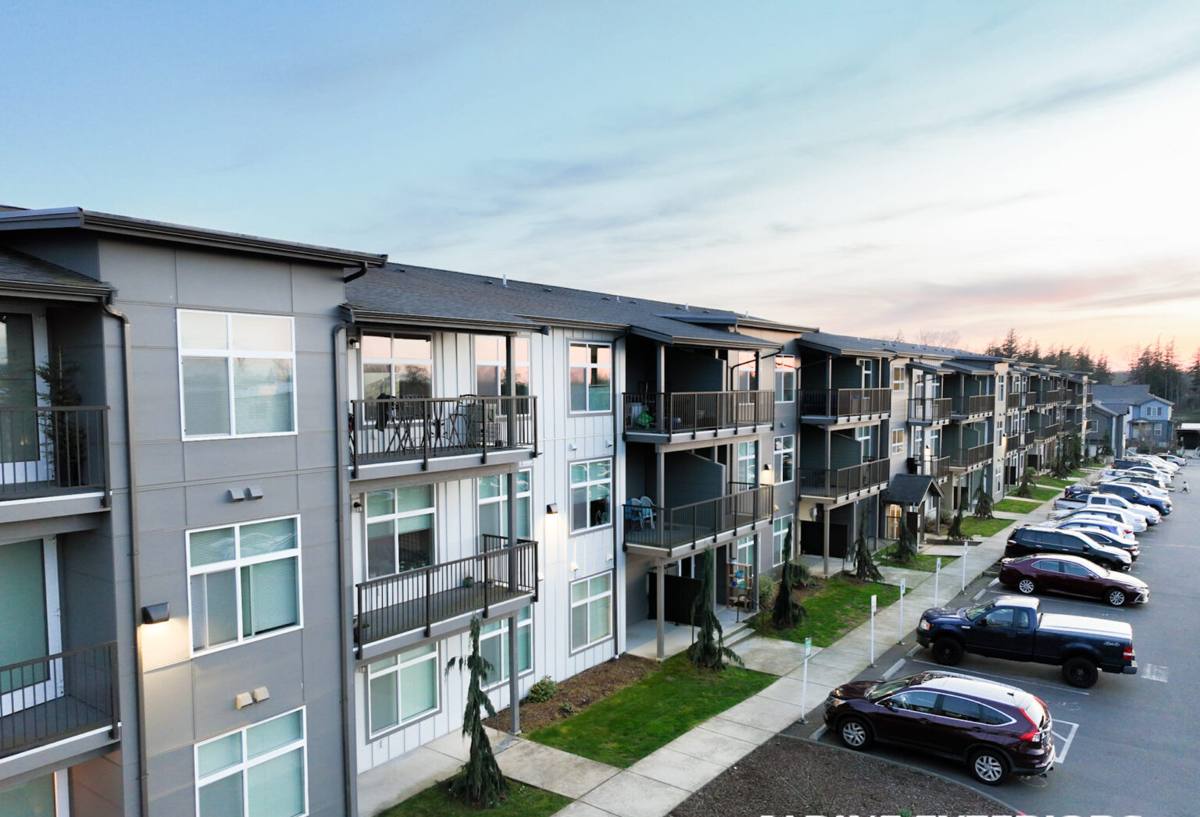
Common Siding Problems We See on Bellingham Homes
Moisture Intrusion at Seams and Penetrations
Wherever siding is cut — around windows, hose bibs, light fixtures, vents, or deck ledgers — there's an opportunity for water to get behind the material. In a climate with this much driving rain, a gap that would be a minor issue elsewhere becomes a chronic leak point here. Over time, water working behind siding leads to soft sheathing, stained interior walls, and in bad cases, framing damage that's far more expensive than the siding itself.
Moss, Algae, and Trapped Moisture
Whatcom County's moss season isn't short. On north-facing walls, under eaves, and anywhere sunlight doesn't reach for months at a time, moss and algae get a foothold on siding surfaces and in the seams between boards. Beyond the cosmetic issue, moss holds moisture directly against the siding material, which accelerates rot in wood-based products and can degrade paint finishes on almost anything.
Salt Air and Fastener Corrosion
Proximity to saltwater affects more than the siding surface — it attacks fasteners, flashing, and trim hardware. Corroding nails or screws lose their grip, siding boards work loose, and once a board isn't sitting flush and sealed, water has a clear path behind it. This is a slower-moving problem than a storm-driven leak, but it's just as damaging over a few years.
Impact and Weathering Damage
Cracked, split, or warped boards happen everywhere, but repeated wet-dry cycling in a marine climate makes existing damage worse faster. A hairline crack that might sit stable for years in a drier climate becomes a moisture entry point here within a season or two.
Repair or Replace? How We Make That Call
Not every siding problem in Bellingham needs a full re-side, and we're not going to tell you it does. A targeted, correctly executed repair is often the right answer — but only when the underlying wall assembly is still sound. Here's how we think through it:
- Localized damage (a handful of boards, one corner, one wall section) with dry sheathing behind it — usually a repair.
- Isolated soft spots or discoloration that stop once probed a few inches beyond the visible damage — usually a repair.
- Widespread moisture staining across multiple walls, soft sheathing over a large area, or repeated past patch jobs that already failed — this points toward replacement, and we'll say so plainly.
- Siding material that's discontinued or impossible to color-match closely — sometimes still repairable, but we'll set honest expectations on the visual result.
We'd rather do a smaller job correctly than sell a bigger one you don't need — and we'll also tell you directly if what you're describing sounds like it's past the point where repair makes sense.
What a Correct Siding Repair Actually Involves
Finding the Real Cause, Not Just the Symptom
A cracked board or a stained patch is a symptom. Before any repair starts, we look at what's actually driving the damage — bad flashing, a missing kick-out at a roof-wall intersection, a failed seal around a penetration, or simple wear from decades of coastal weather. Replacing a damaged board without fixing the water source behind it just delays the same failure.
Checking What's Behind the Siding
Once damaged material is removed, we check the sheathing and house wrap or building paper underneath. If it's dry and intact, repair proceeds normally. If it's soft, delaminated, or shows signs of ongoing moisture, that gets addressed before any new siding goes back on — patching over compromised sheathing is how small problems turn into rot repairs a few years later.
Matching Material, Profile, and Finish
A repair that looks obviously patched is a poor repair, even if it's watertight. We match board width, exposure, and profile as closely as possible, and where color match matters, we're upfront about what's achievable — factory-finished products age differently than field-painted ones, and weathered boards next to new ones will show some contrast at first regardless of material.
Flashing and Sealant Done Right
This is the step that determines whether a repair lasts five years or fifteen in a climate like this one. Correct flashing detail at every horizontal joint, window head, and penetration matters more here than in drier regions, because there's simply more water trying to find a way in. We use sealants and flashing methods rated for exterior, coastal-adjacent exposure — not whatever's fastest.
How Siding Materials Hold Up to Repair in This Climate
Not all siding responds to salt air, moss, and driving rain the same way, and that affects how repairable it is down the road. This is part of why we install James Hardie fiber cement rather than the alternatives — it's simply a better long-term fit for this environment, and it's easier to repair correctly when the time comes.
| Material | Moisture Behavior in This Climate | Repairability |
|---|---|---|
| James Hardie fiber cement | Non-combustible, engineered to resist moisture-driven swelling and rot; ColorPlus finish resists fading from salt air and UV | Individual boards can be replaced and matched cleanly; factory finish holds color over time |
| Vinyl siding | Doesn't rot, but can warp or crack in temperature swings and doesn't stop moisture from reaching sheathing behind it | Panels can crack or fade unevenly; exact color match gets harder as panels age and sun-fade |
| Primed wood or cedar | Absorbs moisture readily; moss and prolonged dampness accelerate rot, especially on north-facing walls | Repairable, but repeat repairs are common in wet, low-sun areas without diligent maintenance |
| LP SmartSide / engineered wood | Better moisture resistance than raw wood, but edges and cut ends remain vulnerable if not sealed and maintained | Repairable, though long-term performance depends heavily on maintenance consistency |
We don't install vinyl, LP SmartSide, Cemplank, Allura, primed spruce, or cedar — not because those products are without merit, but because in a marine, high-moisture climate like this, we've made James Hardie our standard for durability, moisture performance, and long-term repairability. When we do siding repair work, that standard shapes how we recommend fixing what's already on your home, even if it isn't Hardie.
Our Repair Process, Start to Finish
- Inspection: We look at the damaged area and the surrounding wall, checking for moisture behind the surface, not just what's visible.
- Diagnosis: We identify the actual cause — flashing failure, seal breakdown, impact damage, or long-term wear — and explain it in plain terms.
- Scope and estimate: You get a clear picture of what needs repair, what (if anything) needs replacement, and why.
- Repair: Damaged material comes out, sheathing is checked and addressed if needed, and new material goes in with correct flashing and fastening.
- Weatherproofing: Sealant and flashing details are finished to hold up against driving rain and salt exposure, not just pass a quick visual check.
- Walkthrough: We show you what was done and what to watch for going forward.
Preventing the Next Repair
A good repair should buy you years, not months. A few habits make a real difference in this climate:
- Rinse salt residue off siding periodically, especially on walls facing open water or prevailing wind.
- Keep gutters and downspouts clear so water isn't sheeting down siding walls during heavy rain.
- Trim back vegetation and clear debris from north-facing walls to reduce moss buildup and let surfaces dry between rain events.
- Walk the exterior once or twice a year and look at caulk lines, corner boards, and anywhere trim meets siding — small gaps are cheap to reseal and expensive to ignore.
- Address minor damage promptly; a small crack fixed this season is a much smaller job than the same crack after another wet winter.
Why a Bellingham-Area Crew Makes a Difference
Siding repair isn't identical everywhere. A crew that mostly works drier inland climates can miss the details that matter here — how far driving rain actually pushes under an eave, which wall orientations get hit hardest by wind-driven moisture, or how quickly moss reestablishes itself on a shaded wall through a Whatcom County winter. Working this area regularly means we've seen how these homes actually age, not just how a spec sheet says a product should perform.
That local familiarity also means fewer surprises during a repair. We know what we're likely to find once damaged siding comes off a Bellingham-area wall, and we come prepared to address it the same visit rather than opening a job up and discovering we need another trip.
Get a Straight Answer About Your Siding
If you're dealing with cracked boards, a chronic damp spot, moss buildup that won't quit, or siding that's just showing its age after years of coastal weather, it's worth getting a professional look before the problem gets bigger or more expensive. We'll tell you honestly whether it's a repair or something more, and what a correct fix actually involves. Request a free, no-pressure estimate using the form below and we'll take a look.