 Birch Bay Window
 Building Decks for Point Whitehorn's Shoreline Conditions
Point Whitehorn sits right up against the water, and that changes what a deck has to survive. Homes here catch salt-laden air off the Strait of Georgia, take driving rain straight off the water during winter storms, and sit under enough shade and moisture for moss and algae to get a foothold on almost any horizontal surface. A deck built to a generic spec sheet doesn't hold up under those conditions nearly as well as one built for them specifically.
We build and repair decks throughout Birch Bay and the surrounding Whatcom County shoreline, and Point Whitehorn's exposure is some of the toughest in our service area. This page walks through what that exposure means for materials, framing, and hardware, and how we build a deck here that's still solid and safe a decade or two down the road.
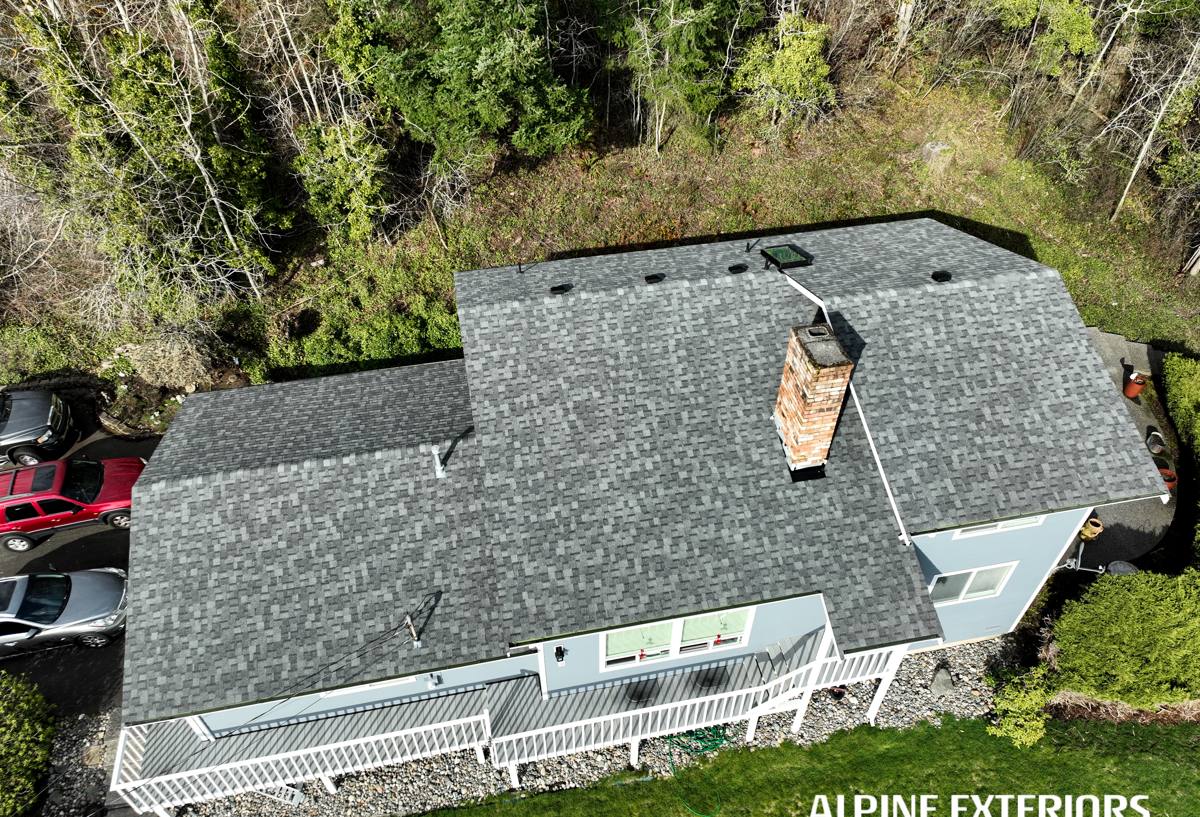
What This Environment Does to an Ordinary Deck
Salt Air and Corrosion
Airborne salt doesn't just affect boats and railings you can see rust on. It settles into every joint, every screw head, and every piece of hardware on a deck, accelerating corrosion in metal that would last decades further inland. Standard galvanized fasteners and connectors can start showing rust bleed within a few years this close to the water. Once corrosion starts in a structural connector, it's a safety issue, not just a cosmetic one.
Driving Rain and Moisture Intrusion
Storms coming off the water don't just fall straight down — wind pushes rain sideways, into ledger boards, under railing posts, and into any gap where flashing or sealant is doing less than it should. Wood framing that stays damp for extended periods is where rot starts, almost always at connection points rather than the middle of a board.
Moss, Algae, and Slip Risk
The combination of shade, moisture, and mild temperatures around Birch Bay makes moss and algae a near-constant issue on north-facing or heavily shaded decking. Beyond the maintenance headache, a mossy deck surface is a slip hazard, especially on stairs, and it holds moisture against the decking material longer, which shortens its life.
Decking Material: What Actually Holds Up Here
There's no single "best" decking material for every home — it depends on your budget, how much maintenance you want to do, and how exposed your specific lot is. Here's how the common options actually perform in Point Whitehorn's conditions, not just in a showroom.
| Material | Salt Air / Moisture Behavior | Moss & Algae Tendency | Maintenance |
|---|---|---|---|
| Cedar | Naturally rot-resistant if finished and maintained; performs well when detailed correctly | Moderate — needs regular cleaning in shaded spots | Annual cleaning, periodic re-staining or sealing |
| Pressure-treated fir/pine | Treatment resists rot but cut ends and fasteners need extra protection | Higher — rougher surface holds moisture | Regular sealing, more frequent inspection at fastener points |
| Composite decking | Doesn't rot or absorb water like wood; performs consistently in salt air | Lower on capped boards, but can still grow algae film in deep shade | Periodic washing, no staining or sealing needed |
| PVC/cellular decking | Fully synthetic, essentially immune to rot and salt corrosion | Lowest of the group with proper surface texture | Occasional washing |
For homeowners who want minimal upkeep and don't mind the higher upfront cost, composite or PVC decking is usually the more honest long-term answer this close to the water. For those who want the look and feel of real wood and are willing to keep up with sealing and cleaning, cedar is still a solid choice — but it requires more discipline than a homeowner further inland might expect.
Framing and Structure: What's Underneath Matters More Than the Surface
Ledger Attachment and Flashing
The ledger board — where the deck attaches to the house — is the single most common failure point on decks in wet coastal climates. Correct flashing detail here isn't optional trim work; it's what keeps rain from working its way behind the siding and into the rim joist. We flash this connection to shed water outward, not just seal it, since sealant alone degrades over time and driving rain will eventually find the gap.
Joist Protection
Every cut end, notch, and fastener hole in a joist is a place where treated lumber's protective layer has been compromised. We treat these exposed points before assembly rather than after, and we use joist tape or an equivalent barrier on top of the framing to keep standing water from sitting directly against the wood under the decking boards.
Footings and Post Bases
Whatcom County soils near the shoreline can hold moisture differently than they do further inland, which affects how footings need to be set. Post bases should hold the post above the concrete and off standing water, not embedded directly in it — a detail that's easy to skip and expensive to fix later.
Railings, Fasteners, and Hardware: Where Salt Air Wins If You Let It
This is the area where cutting corners shows up fastest in a marine climate. Standard exterior-grade fasteners are built for general outdoor use, not sustained salt exposure. Our standard for decks in Point Whitehorn and similar shoreline lots is to use stainless steel or heavy hot-dip galvanized fasteners and structural connectors rated for coastal or marine exposure, even where a lower-grade option would technically meet code. The cost difference over the life of the deck is small compared to the cost of replacing corroded structural hardware in a finished deck.
Railing posts and their connections deserve the same attention — they take direct wind load in storms and are often the first place corrosion becomes visible, since they're exposed on all sides rather than partially shielded like decking boards.
Our Deck Building Process
1. On-Site Assessment
We walk the site to assess sun and shade exposure, prevailing wind and rain direction, drainage around the footprint, and how close the deck will sit to salt spray or standing moisture. This tells us how aggressively we need to detail flashing, hardware, and material selection for that specific spot.
2. Design and Material Selection
We talk through decking material, railing style, and layout based on your budget and how much maintenance you actually want to take on — not just what looks good in a catalog. If a lower-maintenance material fits your goals better than what you initially had in mind, we'll say so.
3. Permitting
Deck projects in Whatcom County, especially near the shoreline, may involve permitting and setback considerations tied to the property's location. We handle this process as part of the job so it isn't left for you to sort out separately.
4. Construction
Framing, flashing, and hardware go in to the standard described above — not the minimum code allows, but what actually holds up in this environment. We inspect our own connection points before decking goes down, since that's the last chance to catch a flashing or fastener issue before it's covered.
5. Final Walkthrough
We walk the finished deck with you, cover basic care for whatever material you chose, and make sure railings, stairs, and fasteners are solid before we consider the job done.
Maintenance Checklist for Point Whitehorn Decks
Whatever material your deck is built from, a few habits go a long way in this climate:
- Sweep debris and standing leaves off the deck surface regularly, especially in shaded corners where moss takes hold first
- Wash the deck surface at least once or twice a year to remove salt film, dirt, and early moss growth before it spreads
- Check railing posts and stair connections annually for looseness, which can signal fastener corrosion underneath
- Keep gutters and downspouts near the deck clear so runoff isn't adding extra moisture to the structure
- Re-seal or re-stain wood decking on the manufacturer's recommended schedule — don't wait until it looks weathered
- Have the substructure inspected every few years, since ledger and joist issues are rarely visible from the top of the deck
Why Hire a Crew That Already Works Point Whitehorn
A deck built to a general Pacific Northwest spec and a deck built specifically for a shoreline lot in Point Whitehorn are not the same project, even if they look identical when finished. The difference is in the flashing detail behind the ledger, the grade of fastener holding the railing posts, and the material chosen for a north-facing section that never really dries out. Those choices come from having actually built and repaired decks in this exact kind of exposure, on this stretch of Whatcom County coastline, and having seen firsthand what fails first when it's built to a lower standard.
We're a Birch Bay-based crew, and Point Whitehorn is part of our regular service area — not an occasional out-of-town job. That matters when a warranty callback or a maintenance question comes up years after the build.
Get a Free Estimate
If you're planning a new deck or need an honest assessment of an existing one in Point Whitehorn, we're happy to take a look and walk you through your options with no pressure and no obligation. Use the form below to request a free estimate.