 Birch Bay Window
 Building Decks for Blaine and Birch Bay Homes
A deck in Blaine has to earn its keep in a different way than a deck fifty miles inland. Between the salt-laden air off the Strait of Georgia, the long stretch of wet months that define a Whatcom County winter, and the shade and moisture that let moss take hold on almost any north-facing surface, a deck built to a generic spec often starts showing problems within a couple of seasons. We build decks specifically for this stretch of coastline, and that means starting with the climate, not just the design.
This page covers what deck building actually looks like for homes in and around Blaine — what the weather demands, what a correctly built deck includes, how our process works, and what to think about before you hire anyone to build one.
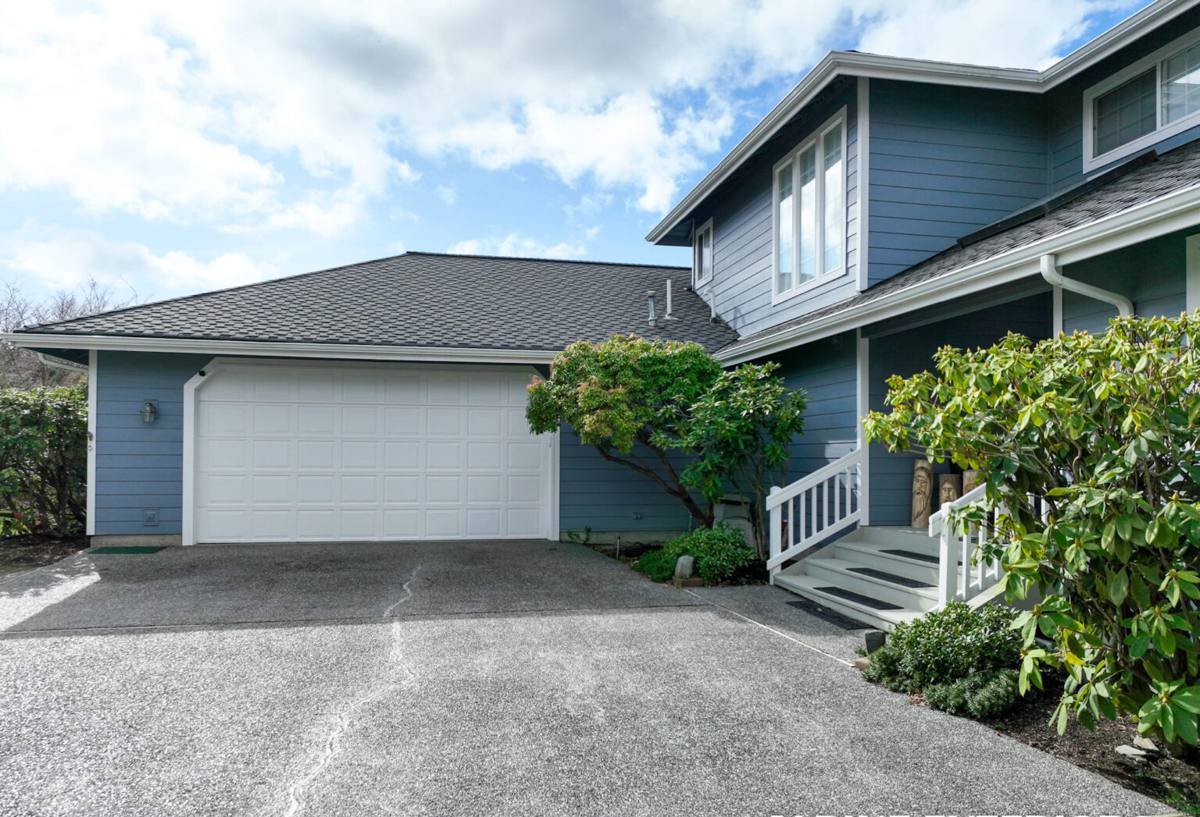
What Blaine's Marine Climate Does to a Deck
Blaine sits right on the water, and that proximity changes how every material on a deck behaves over time. It's not one issue — it's several, working on the structure at once, year after year.
Salt Air and Corrosion
Airborne salt accelerates corrosion on anything metal — screws, joist hangers, bolts, railing brackets. Fasteners rated for general outdoor use inland can start rusting and staining the decking around them within a year or two this close to the water. This isn't a minor cosmetic issue; corroding hardware is a structural problem, since the hangers and fasteners are what hold the frame together.
Driving Rain and Standing Water
Rain here doesn't just fall straight down — wind off the water drives it sideways into ledger boards, under railings, and into any gap where end grain is exposed. Decking that isn't gapped and sloped correctly holds water in the joints, and framing that isn't flashed properly lets water track back into the house wall it's attached to.
Moss and the Long Wet Season
Whatcom County's moss season runs long — shaded, north-facing, or low-airflow deck areas can stay damp for weeks at a stretch. Moss and algae on decking aren't just slippery; the moisture they hold against the wood or composite surface speeds up rot in real wood and can void warranties on composite products if the underlying moisture problem isn't addressed.
Choosing the Right Decking Material for This Climate
There's no single "best" decking material — every option is a set of trade-offs, and the right call depends on your budget, how much upkeep you want to do, and how exposed the deck is to weather. Here's how the common choices compare for a coastal Whatcom County property.
| Material | Upfront Cost | Maintenance | How It Handles This Climate |
|---|---|---|---|
| Pressure-treated lumber | Lowest | Annual cleaning, periodic sealing | Affordable and strong, but needs consistent upkeep or moss and checking set in fast near the water |
| Cedar | Moderate | Regular sealing to hold color and resist moisture | Naturally rot-resistant and handles the wet season well, but salt air and UV will gray it without upkeep |
| Composite decking | Higher | Occasional washing, no sealing or staining | Very low maintenance and doesn't rot, but needs a well-vented substructure or trapped moisture can still cause problems underneath |
| Tropical hardwood (ipe and similar) | Highest | Periodic oiling for color, otherwise durable | Extremely dense and long-lasting, though installation is less forgiving and fastener choice matters even more |
We'll walk through these trade-offs honestly during your estimate rather than steering you toward whatever has the best margin — a lower-maintenance material is often worth the extra upfront cost for a deck exposed to Blaine's weather, but it's your call to make with real numbers in front of you.
What a Correctly Built Deck Involves Here
Regardless of the decking material on top, the structure underneath is what determines whether a deck lasts fifteen years or thirty. A few pieces of a correct build matter more in this climate than they would somewhere drier.
Footings Below Frost Depth
Footings need to be set below the local frost line and sized to the load they'll carry. Undersized or shallow footings are one of the more common shortcuts we see on decks that develop bounce, sag, or separation from the house over time.
Ledger Flashing Done Right
The ledger board — where the deck attaches to the house — is the single most common source of water damage on an attached deck. Proper flashing keeps driving rain from working its way behind the ledger and into the wall framing, which is a much more expensive problem to fix than the deck itself.
Airflow Under the Deck
Low decks with poor ventilation underneath trap moisture against the framing and the underside of the decking, which is exactly the condition that grows moss and speeds up rot. We plan for adequate clearance and airflow wherever the design allows it.
Spacing and Fastening
Board gapping needs to account for the material's expansion and contraction in our wet-to-dry cycles, and fastening patterns need to hold up to wind loads coming off open water, which can be more forceful on an exposed Blaine lot than on a sheltered inland site.
Railings, Fasteners, and Hardware
Hardware is the part of a deck most likely to fail first in a salt-air environment, and it's the part most often under-specified by builders working from a generic materials list. We use stainless or heavy hot-dip galvanized fasteners and connectors rated for coastal exposure, not the general-purpose exterior-grade hardware that's fine sixty miles from the water but starts corroding here within a couple of years. The same goes for railing brackets and any exposed metal — it's a small percentage of the total project cost, and it's the wrong place to cut corners on a deck that's supposed to hold up for decades.
Our Deck Building Process
The process is straightforward, but the details at each step are what determine how the deck performs later.
- On-site consultation and design — we look at sun exposure, drainage, wind exposure, and how the deck will connect to the house before talking materials.
- Material selection — we go through the real trade-offs for your budget and how much maintenance you want to take on.
- Permitting — we handle the paperwork for the local jurisdiction so the deck is built to code and won't cause problems at resale.
- Footings and framing — footings set to proper depth, ledger flashed correctly, framing built to span and load requirements.
- Decking, railing, and finish work — installed with attention to gapping, fastening, and hardware suited to salt air.
- Final walkthrough — we go over the finished deck with you and explain what upkeep it actually needs, so there are no surprises later.
Permits and Setbacks Around Blaine
Most attached decks above a certain height, and many freestanding ones, require a permit and have to meet setback requirements from property lines, along with guardrail and stair code requirements once the deck reaches a certain height off grade. Requirements can differ depending on whether your property falls under City of Blaine jurisdiction or unincorporated Whatcom County, so we confirm the specifics for your exact lot before design work goes final rather than assuming. Skipping the permit step might save time upfront, but it can create real problems when you go to sell the house or file an insurance claim.
Maintenance That Actually Matters in This Climate
Every deck needs some upkeep — the question is how much, and what happens if it's skipped. A short list of what we tell every Blaine and Birch Bay customer to stay on top of:
- Sweep debris and standing water off the deck surface regularly, especially in shaded areas prone to moss
- Check and clean gaps between boards each fall so drainage isn't blocked heading into the wet season
- Inspect fasteners and railing hardware yearly for early signs of corrosion, especially on lots with direct water exposure
- Re-seal wood decking (cedar or pressure-treated) on the manufacturer's recommended schedule, not just when it looks dry
- Keep vegetation trimmed back from the deck edges to maintain airflow and reduce moss growth
- Check the ledger board area annually for any signs of water staining or separation from the house
Why a Crew That Already Works Blaine Matters
A contractor who mostly builds inland can still build a structurally sound deck, but they may not default to coastal-rated hardware, may not plan for the wind loads an open Blaine lot sees off the water, and may not know the difference between what City of Blaine and Whatcom County will ask for at permitting. We work this stretch of coastline regularly, which means fewer surprises during the permit process, materials chosen with this climate already factored in, and a deck that's built to actually hold up to salt air and a long moss season rather than just look good on installation day.
If you're planning a new deck or replacing one that's showing its age, we're glad to come take a look and put together a free, no-pressure estimate — no obligation, just a straight assessment of what your property needs.