 Birch Bay Window
 Board & Batten Siding in Birch Bay Village
Board and batten is one of the most requested siding styles along the Birch Bay waterfront, and it's easy to see why. The vertical lines read as clean and modern on newer builds, but they also suit the older beach cottages scattered through Birch Bay Village that were never meant to look fussy. The look is simple. Getting it to actually perform for twenty or thirty years in a saltwater, high-moisture environment is where most of the difference between a good installation and a bad one shows up — and it usually shows up on the north wall, in the corners, and around the bottom few feet of the house first.
This page is about board and batten specifically for homes in and around Birch Bay Village — what the local climate demands from this siding style, what a correct installation actually involves, and why we install it exclusively in James Hardie fiber cement rather than the engineered wood, cedar, or vinyl versions of the same look.
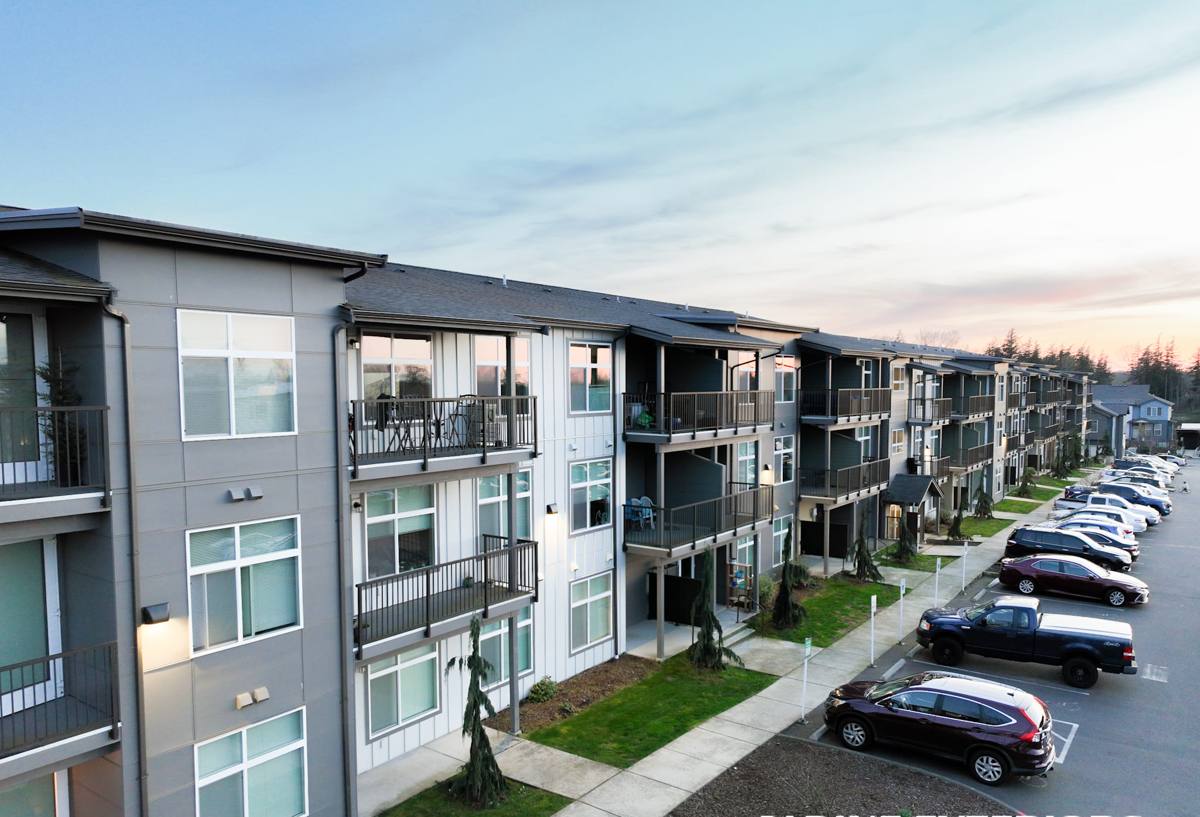
Why Birch Bay Village Is a Tough Environment for Vertical Siding
Birch Bay sits directly on the water in Whatcom County, and homes in the Village get the full combination of marine exposure and Pacific Northwest wet-season weather. Three things matter most for board and batten specifically:
Salt Air
Airborne salt from Birch Bay and the Strait of Georgia settles on siding, trim, and — critically — on fasteners. Board and batten has more exposed vertical seams and more face-nailed battens than lap siding, which means more hardware exposed to salt corrosion if the wrong fasteners are used. Corroding fasteners loosen battens over time, which opens gaps for water.
Driving Rain
Storms off the bay don't just fall straight down — wind-driven rain pushes water sideways and upward under laps and battens. Vertical siding styles are more forgiving of gravity than lap siding, but they're less forgiving of wind-driven moisture unless the batten spacing, caulking, and drainage plane behind the siding are done correctly.
Moss and Algae Season
Whatcom County's long wet season, combined with shaded north- and east-facing walls common in Birch Bay Village's tree-lined lots, creates ideal conditions for moss and algae growth on siding that stays damp for extended periods. Some materials tolerate this better than others, and finish quality matters as much as the base material.
What a Correct Board & Batten Installation Actually Involves
Board and batten looks simple from the street — wide panels or boards with narrower battens covering the seams — but the assembly behind that look is what determines whether it lasts. A correct installation on a Birch Bay Village home includes:
- A properly lapped and sealed weather-resistive barrier behind the siding, with all penetrations flashed before any siding goes on
- A rainscreen gap (furring strips) that lets any moisture that gets behind the panel drain and dry instead of sitting against the sheathing
- Correct batten spacing and fastening pattern so panels can expand and contract without splitting the substrate underneath
- Stainless steel or coated fasteners rated for coastal exposure, not standard galvanized nails that will rust and streak within a few seasons
- Flashing and kickout details at every roof-wall intersection, window head, and the base of the wall where it meets grade or a deck
- Factory-finished panels and battens where possible, so field-cut edges are sealed rather than left to absorb water
Skip any one of these and the siding can still look right for a year or two — the failures in board and batten are almost always slow. Trapped moisture behind an unvented panel, a rusting nail head bleeding down a batten, or moss creeping across a shaded gable are all symptoms that show up well after installation, which is exactly why the prep work matters more than the finish coat.
Why We Install This Style Only in James Hardie
Board and batten can be built out of several different materials, and it's worth being direct about why we don't offer all of them.
Engineered wood board and batten is lighter and often less expensive up front, but it's still a wood-based product at its core — it relies on factory sealing and careful field caulking to keep the wood fiber dry, and any breach at a cut edge or fastener hole gives moisture a path in. In a marine, high-rainfall environment like Birch Bay, that's a maintenance burden we're not willing to put our name on. Cedar board and batten has real visual appeal, but it needs ongoing staining or sealing to hold up against salt air and constant damp shade, and it's a soft target for moisture and pests over time. Vinyl board and batten sidesteps the moisture-absorption issue but flexes and fades, doesn't hold paint if you ever want a color change, and simply doesn't read as a premium product up close.
James Hardie fiber cement is non-combustible, doesn't swell or rot when it takes on moisture, and holds a factory ColorPlus finish that's built to resist fading and doesn't need repainting on the same schedule wood siding does. For a wind- and moisture-exposed spot like Birch Bay Village, that combination is the reason we standardized on it rather than offering board and batten in multiple materials.
Board & Batten Material Comparison
| Material | Moisture Behavior in Marine Climate | Maintenance | Typical Lifespan |
|---|---|---|---|
| James Hardie fiber cement | Does not swell, rot, or support pests; factory-sealed edges available | Occasional wash; repaint only if desired, not required for protection | 30+ years with correct install |
| Engineered wood | Wood-fiber core vulnerable at cuts, fasteners, and seams | Regular caulk/paint upkeep to prevent moisture intrusion | Variable, shorter if seals fail |
| Cedar | Absorbs moisture; prone to cupping and mildew in shade | Periodic staining or sealing required | 15–25 years with upkeep |
| Vinyl | Doesn't absorb water but flexes/gaps with age; traps moisture behind it if installed poorly | Low, but can't be repainted or easily repaired | 20–30 years, fades sooner |
How James Hardie Board & Batten Is Built
We build board and batten in Birch Bay Village using James Hardie panel siding with HardieTrim boards as the battens, in the HZ10 climate-engineered formulation designed for the wetter, milder conditions of the Pacific Northwest — as opposed to the HZ5 formulation built for hot, dry regions. That distinction matters: Hardie's HZ system is engineered specifically around regional moisture and freeze-thaw exposure, and HZ10 is the correct specification for anywhere on the Whatcom County coastline.
Panels and battens both come with a factory-applied ColorPlus finish when specified, which means the color is baked on under controlled conditions rather than field-sprayed, and it comes backed by Hardie's coordinated finish warranty. That's a meaningful difference from field-painted board and batten, where the paint job is only as good as the weather conditions on installation day and the skill of whoever's holding the sprayer.
Our Process for a Birch Bay Village Board & Batten Job
- On-site walkthrough: We inspect the existing wall assembly, check for any hidden moisture damage behind current siding, and assess drainage, grading, and shade patterns specific to the lot.
- Tear-off and substrate check: Old siding comes off, sheathing is inspected and repaired as needed, and any existing rot from prior moisture intrusion is addressed before anything new goes on.
- Weather barrier and rainscreen: A new weather-resistive barrier is installed and lapped correctly, penetrations are flashed, and furring strips go up to create the drainage gap behind the panels.
- Panel and batten installation: HardiePanel goes up first, followed by HardieTrim battens at the correct spacing and fastener pattern, using coastal-rated fasteners throughout.
- Detail work: Flashing at windows, doors, and roof intersections; sealant at the joints that need it; and a final check of every cut edge.
- Walkthrough and cleanup: We review the finished work with the homeowner and leave the site clean.
Where Board & Batten Fails First on Birch Bay Village Homes
When we're called out to look at failing board and batten in this area, the damage almost always shows up in the same few spots:
- The bottom two to three feet of wall, where splash-back from grade and standing moisture do the most damage over time
- Inside corners and window returns, where flashing was skipped or caulk was used as a substitute for proper flashing
- North- and east-facing walls that stay shaded and damp longest, where moss and algae take hold first
- Batten fastener heads on the side of the house that takes the most direct salt spray, where corrosion streaks appear before any structural issue does
Maintaining Board & Batten in a Coastal Climate
James Hardie board and batten is low-maintenance, not no-maintenance. A short seasonal routine goes a long way in a Birch Bay environment:
- Rinse siding once or twice a year to clear off salt residue and organic buildup, especially on shaded walls
- Walk the base of the house after the wet season and check for any splashback staining or standing water against the siding
- Look at fastener heads on battens periodically for early rust streaking
- Keep gutters clear so roof runoff isn't dumping extra water onto any one section of wall
- Trim back vegetation that's shading walls and keeping them damp longer than they need to be
What Board & Batten Typically Costs
Board and batten generally costs somewhat more than standard lap siding per square foot, mainly due to the extra material (battens) and labor time for the additional fastening and detail work. Exact pricing depends on the home's size, how much tear-off and substrate repair is needed, and how much trim and flashing detail the project requires.
| Cost Factor | Why It Matters in Birch Bay Village |
|---|---|
| Existing wall condition | Homes with prior moisture damage need substrate repair before new siding goes on |
| Amount of trim and batten detail | More battens and corner details mean more material and labor time |
| Access and lot conditions | Waterfront and hillside lots can affect staging and material handling |
| Finish selection | Factory ColorPlus finish vs. field-painted affects both cost and long-term upkeep |
Why It Matters to Hire a Crew That Already Works Birch Bay Village
Board and batten done right in this specific stretch of Whatcom County isn't a generic install — it's an install that accounts for salt exposure, wind-driven rain direction, and shaded wall moss patterns that are particular to homes sitting this close to the water. A crew that already works Birch Bay Village has seen where these homes actually fail, knows which walls need the extra flashing attention, and specs materials — right down to the HZ rating and fastener type — for this exact climate rather than a one-size-fits-all approach pulled from a drier region.
If you're considering board and batten for a home in Birch Bay Village, we're happy to walk the property, look at what's there now, and put together a straightforward estimate — no pressure, no obligation. The form below gets you started.