 Birch Bay Window
 Why Roofs Wear Out Faster Near Custer and Birch Bay
A roof in Custer works harder than a roof fifty miles inland. Sitting close to the water in Whatcom County means every shingle, nail, and flashing detail is exposed to salt-laden air, wind-driven rain that hits roof planes sideways instead of straight down, and a wet season that stretches long enough for moss to get comfortable. None of that is dramatic on its own. It's the accumulation, year after year, that turns a fifteen-year problem into a five-year problem if the original installation wasn't built for this specific stretch of coastline.
We're not describing a different roof than what you'd install anywhere else in western Washington. Same shingles, same underlayment categories, same basic physics. What changes is where the money and attention need to go so the roof actually holds up to what Custer throws at it.
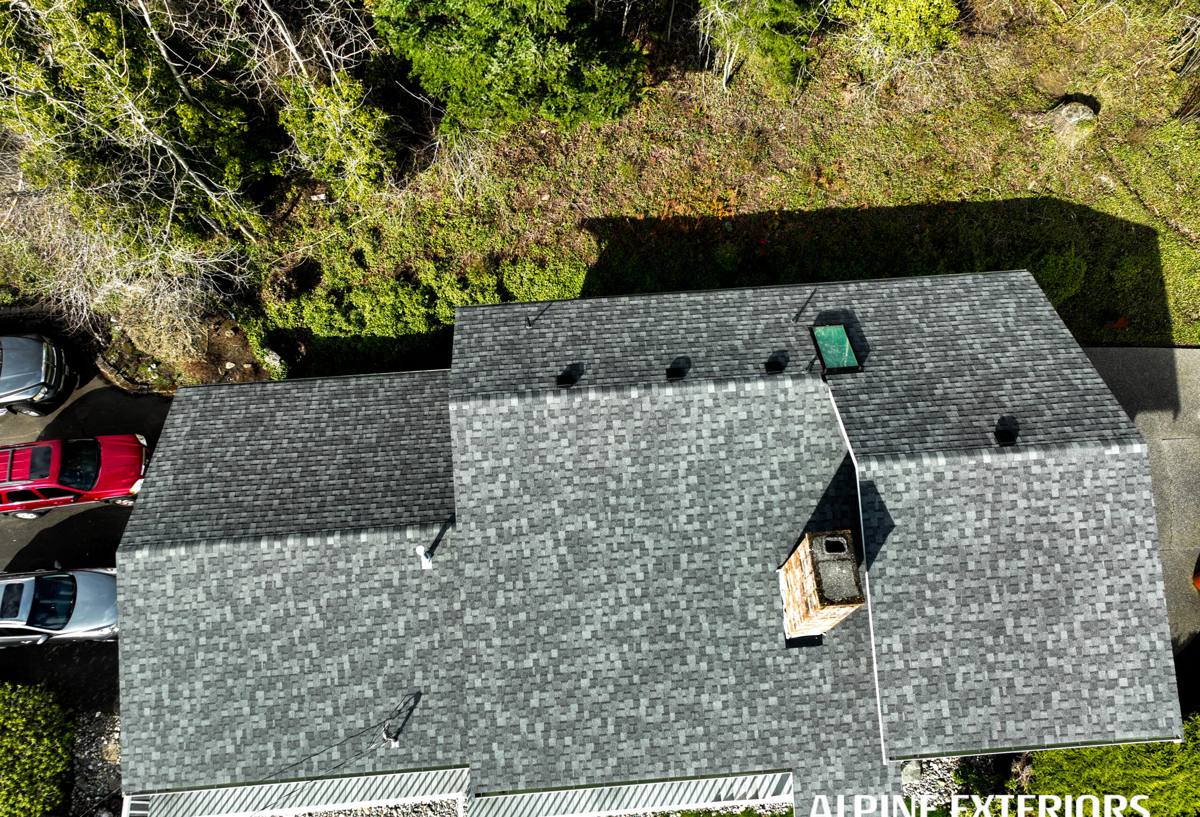
What Salt Air, Driving Rain, and Moss Actually Do to a Roof
Salt Air
Airborne salt accelerates corrosion on anything metal — flashing, fasteners, vent stacks, and gutter hardware. A fastener that's rated fine for a dry inland install can start showing rust streaks within a few seasons this close to the water. It's not a defect in the product; it's a mismatch between the fastener spec and the environment it was used in.
Driving Rain
Wind off the water doesn't let rain fall straight down — it pushes it sideways and up under laps, edges, and low-slope transitions that would shed water fine in a calmer climate. This is why lap exposure, underlayment coverage, and flashing detail at valleys and penetrations matter more here than the shingle brand printed on the wrapper.
Moss Season
Shade, moisture, and cooler temperatures for a big chunk of the year add up to a long window where moss and algae can take hold, especially on north-facing slopes and anywhere debris collects. Moss isn't just cosmetic — it holds moisture against the shingle surface and can work its way under tabs, shortening the roof's life if it isn't addressed early.
Signs a Custer Home Needs a New Roof, Not Another Repair
Repairs make sense when a roof has isolated damage and years of life left. A full replacement is the right call when the problems are systemic. Common signs we look for on inspections in this area:
- Granule loss heavy enough that you're finding grit in the gutters every season, not just after a storm
- Curling, cupping, or cracked shingles across multiple roof planes rather than one isolated spot
- Soft or spongy decking felt underfoot during inspection, usually a sign moisture has been getting past the roofing system for a while
- Persistent moss growth that keeps coming back within a season or two of cleaning
- Daylight or water staining visible in the attic around penetrations, valleys, or the ridge
- A roof already past or close to the manufacturer's expected service life for this coastal exposure
If a roof only shows one or two of these, repair is often the honest recommendation. We'd rather tell a Custer homeowner their roof has a few good years left than sell a full replacement they don't need yet.
What a Correct Installation Actually Involves
A roof is only as good as what's underneath the shingles. The parts nobody sees are what determine whether the roof handles driving rain and long wet seasons or slowly fails from the inside.
Tear-Off and Deck Inspection
We remove the old roofing down to the deck rather than layering over it. That's the only way to actually see the plywood or plank decking underneath and catch soft spots, delamination, or rot before they're sealed under a new roof for another fifteen-plus years.
Underlayment
Given how much wind-driven rain this area sees, underlayment choice and coverage matter. Synthetic underlayments generally handle prolonged moisture exposure better than older felt products, and we pay particular attention to ice-and-water shield style membranes at eaves, valleys, and around penetrations — the spots where wind-pushed water is most likely to find a way in.
Flashing
Flashing at chimneys, skylights, sidewalls, and valleys is where most roof leaks actually start, not in the open field of shingles. Corrosion-resistant flashing material and careful step-flashing installation matter more here than in a drier, calmer climate, given the salt air.
Ventilation
Balanced intake and exhaust ventilation keeps the attic temperature and moisture level in check, which reduces condensation, helps shingles last their full rated life, and reduces the damp, shaded conditions that let moss take hold in the first place.
Fasteners
We use fasteners appropriate for coastal exposure rather than the cheapest option available, specifically to slow the corrosion that salt air accelerates.
Roofing Material Options for Custer Homes
There isn't one "best" material for every home — it depends on budget, roof pitch, architectural style, and how much moss and moisture resistance you want to prioritize.
| Material | Typical Lifespan Here | Moss/Moisture Behavior | Trade-Offs |
|---|---|---|---|
| Architectural asphalt shingle | 20-30 years | Good with proper ventilation and periodic cleaning | Best value; moss-resistant granule options available |
| Standing seam metal | 40-60 years | Sheds moisture and moss very well | Higher upfront cost; needs correct fastener and coating spec near salt air |
| Cedar shake | 20-30 years with upkeep | Requires regular maintenance to resist moss and rot in a wet climate | Traditional look; higher long-term maintenance burden in this environment |
| 3-tab asphalt shingle | 15-20 years | More prone to curling and granule loss over time | Lowest upfront cost; shortest lifespan in coastal conditions |
For most Custer and Birch Bay homes, we steer people toward architectural shingles rated for high wind and algae resistance, or standing seam metal on homes where the budget and roofline suit it. We'll walk through the honest trade-offs for your specific roof rather than push whatever has the best margin.
Our Installation Process
- On-site inspection and estimate — we walk the roof, check the attic, and measure so you get a real number, not a guess from a satellite photo.
- Material selection — we go over the options above in the context of your home's pitch, exposure, and budget.
- Permitting — we handle the Whatcom County permit process so you don't have to.
- Tear-off and deck inspection — old roofing removed, decking checked and repaired where needed.
- Underlayment and flashing installation — the moisture-management layer that matters most in this climate.
- Shingle or panel installation — installed to manufacturer spec, not shortcuts.
- Ventilation check — intake and exhaust confirmed balanced before we call it done.
- Final walkthrough and cleanup — including a magnetic sweep for stray fasteners.
Why a Crew That Already Works Custer Matters
A roofing crew that mostly works drier, inland areas isn't necessarily wrong for the job — but they may not default to the underlayment coverage, fastener spec, or moss-prevention details that a coastal Whatcom County roof actually needs unless they're specifically thinking about it. A crew that regularly works Birch Bay and Custer roofs has already seen which details matter here: where wind-driven rain tends to find gaps, which north-facing slopes hold moss longest, and which flashing points fail first near the water. That familiarity shows up as fewer callbacks and a roof that's actually built for the conditions it will sit in for the next few decades, not just built to code on paper.
Cost Factors for a Custer Roof Replacement
Every roof is priced individually, but the same handful of factors move the number up or down on most jobs we quote in this area.
| Factor | Why It Affects Cost |
|---|---|
| Roof size and number of planes | More square footage and more valleys/hips mean more material and labor |
| Roof pitch and access | Steep or hard-to-access roofs take longer and require more safety setup |
| Decking condition | Rotted or soft decking found during tear-off needs to be replaced before new roofing goes on |
| Material choice | Architectural shingle, metal, and cedar each carry different material and labor costs |
| Layers to remove | Removing multiple old layers takes more labor than a single-layer tear-off |
| Ventilation or structural upgrades | Adding intake/exhaust vents or fixing framing issues adds scope |
We won't quote a firm number without seeing the roof, but we're happy to give straight ranges and explain what's driving your specific price during the estimate.
Protecting the Investment After Installation
A correctly installed roof still benefits from a little seasonal attention, especially given how long the wet season runs here.
- Clear gutters and downspouts before the fall rains settle in
- Have moss growth treated early rather than letting it establish over a full wet season
- Keep overhanging branches trimmed back to reduce shade and debris buildup on north-facing slopes
- Schedule a quick visual check after any major windstorm to look for lifted shingles or displaced flashing
- Watch the attic occasionally for signs of moisture or staining, especially in the first couple of wet seasons after installation
If your Custer or Birch Bay roof is showing its age, or you just want an honest second opinion before committing to a full replacement, we're glad to come take a look. The estimate is free, there's no pressure, and you'll get a straight answer about whether you need a new roof now or can reasonably wait.