 Birch Bay Window
 Why Siding Wears Differently in Custer
Custer sits close enough to the water to catch the same salt-laden air that batters Birch Bay and the rest of northwest Whatcom County, but it also gets the open-field wind exposure that comes with being a bit inland from the immediate shoreline. That combination is tougher on exterior siding than either condition alone. Salt air accelerates corrosion on fasteners and trim, wind-driven rain forces water sideways into laps and seams that were only designed to shed water falling straight down, and the long gray stretch of fall and winter keeps siding damp for weeks at a time. Add a moss season that can run from October through April in a wooded, low-sun property, and you have an environment that punishes any siding product with a weak point in its moisture management.
None of this means Custer homes need exotic materials. It means the installation details matter more here than they would in a drier climate, and the material itself needs to tolerate being wet more often than it's dry for months at a stretch.
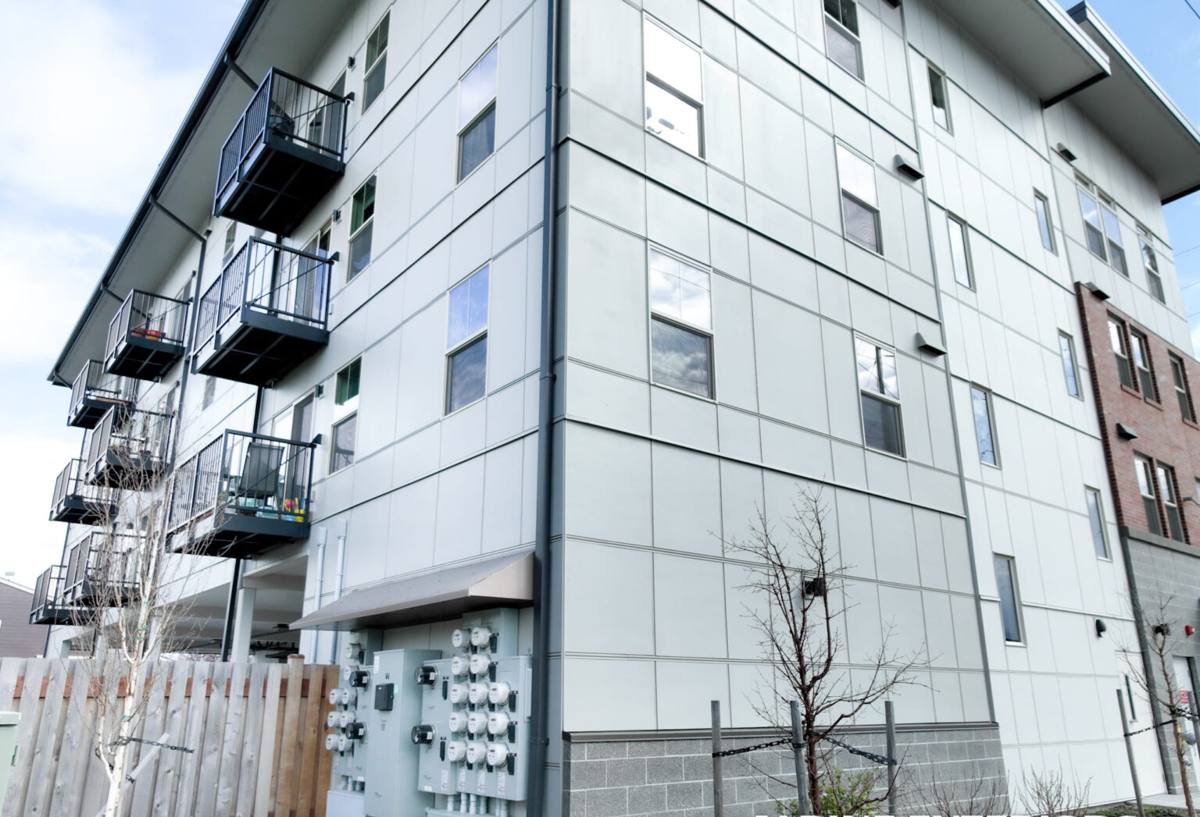
Signs a Custer Home Needs Siding Replacement, Not Just Repair
Siding doesn't usually fail all at once. It gives warning signs first, and on homes in this area those signs often show up on the north and west-facing walls before anywhere else, since those are the elevations that stay shaded and damp the longest.
- Soft or spongy spots when you press on the siding, especially near the bottom courses and around window trim
- Paint that's bubbling, peeling, or chalking in patches rather than evenly across a wall
- Persistent moss or algae staining that comes back within a season of cleaning
- Visible gaps, warping, or buckling in panels or lap boards
- Rising heating bills with no other explanation, which can point to a siding and house-wrap system that's no longer doing its job
- Rot at butt joints, corners, or anywhere trim meets siding
One or two of these on an otherwise sound wall might mean a repair. Several of them, or any sign of rot that's traveled into the sheathing, usually means it's time to replace rather than patch.
What a Correct Siding Job Actually Involves
Siding replacement is not just removing old boards and nailing up new ones. In a climate that drives rain sideways for months of the year, the parts you don't see after the job is done matter as much as the finished look.
Water Management Comes First
Before a single new board goes up, the wall needs a properly lapped weather-resistive barrier, correctly integrated flashing at every window, door, and penetration, and rainscreen or furring where the wall assembly calls for it. Skipping or shortcutting this step is the single biggest reason siding fails early in wet, wind-driven climates like this one — the surface material can be excellent and still let water in behind it if the underlying system is wrong.
Fastening and Clearances
Corrosion-resistant fasteners, correct nailing patterns, and proper clearance between the bottom of the siding and grade, decks, roofs, and hardscaping all affect how long a job lasts near salt air. Siding installed tight to grade or butted directly against a deck surface will trap moisture and start failing years before it should, regardless of the material.
Trim, Caulking, and Finish Details
Corners, joints, and trim are where most water intrusion problems start. Factory-finished products reduce some of this risk by eliminating field-painted seams, but the installer still has to get every joint, gap, and transition right.
Why We Install Only James Hardie Fiber Cement
We standardized on James Hardie fiber cement siding for every job we do, including in Custer, and it's worth explaining why rather than just stating it.
Vinyl siding is affordable and low-maintenance in mild climates, but it expands and contracts significantly with temperature swings, and in high-wind exposure it can loosen, crack, or blow off at the edges over time. It also softens and warps at temperatures that direct afternoon sun can reach even in a marine climate. LP SmartSide and similar engineered wood products perform reasonably well when kept dry, but they're wood-based, and wood-based siding depends heavily on paint film integrity and edge sealing to keep moisture out — exactly the weak point that a long, wet moss season exploits. Primed spruce and cedar are traditional, attractive choices, but they require the most ongoing maintenance of any option: regular repainting, staining, and vigilant caulking to keep water from reaching bare wood at joints and end cuts.
James Hardie fiber cement is cement-based rather than wood-based or vinyl, so it doesn't rot, doesn't attract insects, and doesn't expand and contract the way vinyl does in temperature swings. It's also non-combustible, which matters more each year given regional wildfire smoke seasons even where direct fire risk is low. Hardie's ColorPlus factory finish is baked on under controlled conditions, which gives more consistent, longer-lasting color than field-applied paint and removes one of the biggest maintenance burdens of wood siding. Hardie also engineers specific product lines (HZ5 and similar) for different climate zones, so the product going on a Custer home is matched to Pacific Northwest moisture exposure rather than a one-size-fits-all specification. It carries a strong transferable warranty, which matters to homeowners who may sell within the warranty period.
We're not going to tell you these other products are junk — vinyl, LP, and cedar all have legitimate uses and plenty of homes wearing them well. We simply won't put our name on an installation using a product whose long-term maintenance burden or moisture tolerance we don't think holds up to this specific climate, so we don't install them.
Our Process for a Custer Siding Replacement
- Inspection and assessment — we check the condition of the existing siding, sheathing, and house wrap, and identify any rot or moisture damage before quoting the job
- Tear-off — removal of old siding and trim, with sheathing repair where needed
- Weather barrier and flashing — house wrap, window and door flashing, and rainscreen installed correctly before any new siding goes up
- Hardie installation — panels or lap siding installed to manufacturer specification, with corrosion-resistant fasteners and correct clearances
- Trim and finish — corners, trim boards, and caulking completed to a factory-finish standard
- Final walkthrough — we go over the finished job with the homeowner before calling it done
Cost Factors for Siding Replacement
Every Custer home is different, but the same handful of factors drive most of the cost variation we see. This isn't a quote — it's a guide to what shapes the number.
| Factor | Why It Matters |
|---|---|
| Home size and wall complexity | More corners, dormers, and trim details mean more labor and cutting |
| Existing damage | Rotten sheathing found during tear-off adds repair cost before new siding goes on |
| Siding profile chosen | Lap, shingle, and panel styles from the Hardie lineup carry different material and labor costs |
| Trim and accessory work | Corner boards, window trim, and fascia work add to the scope |
| Access and site conditions | Wooded lots, tight setbacks, and steep grades affect staging and labor time |
Why Hiring a Crew That Already Works This Area Matters
Siding contractors who don't regularly work Whatcom County's marine-influenced climate sometimes default to methods and details that are fine in drier parts of the state but leave gaps here — under-flashing a window because it "usually" doesn't get much wind-driven rain, or skipping a rainscreen gap because a crew is used to installing in a climate where it's optional rather than important. A crew that already works Birch Bay and Custer knows which walls take the worst of the weather, how much clearance a given lot's drainage and grading actually needs, and what moss and algae exposure means for long-term maintenance recommendations. That local familiarity shows up in fewer callbacks and a longer service life from the same materials.
What to Ask Before Hiring Anyone for Siding Work
- Do they carry proper licensing, bonding, and insurance for exterior work in Washington
- Will they show you the flashing and weather-barrier plan before siding goes up, not just the finished look
- Do they have experience with the specific product they're proposing, not just siding in general
- What warranty applies to labor, separate from the manufacturer's material warranty
- Can they explain why they recommend a particular product for your specific home and exposure
A Note on Maintenance After Replacement
Even the right siding installed correctly benefits from basic upkeep in this climate. A yearly rinse to knock down surface moss and algae buildup, a look at caulking around trim every couple of years, and prompt attention to any gutter or downspout issue that's dumping extra water onto a wall all extend the life of the job. Fiber cement reduces the maintenance burden significantly compared to wood, but "low-maintenance" isn't "no-maintenance" anywhere on this coastline.
If your Custer home is showing signs of siding wear, or you're just trying to plan ahead before the next wet season, we're happy to take a look and walk you through what we're seeing — no pressure, no obligation. Fill out the form below for a free estimate.