 Birch Bay Window
 Deck Repair Built for Lummi Island's Marine Climate
Decks on Lummi Island live a harder life than decks twenty miles inland. The island sits fully exposed to Puget Sound weather — salt-laden air, wind-driven rain off the water, and long stretches of gray, damp months that keep wood and hardware wet far longer than manufacturers ever design for. Add in the shade from mature evergreens on many island lots, and you get a moss season that can run most of the year on north-facing or tree-covered decks. A repair that would hold up fine in a drier inland yard can fail within a season or two out here if it doesn't account for those conditions.
We do deck repair work for homes across Whatcom County, including Lummi Island, and the approach has to be different from a generic patch job. This page covers what actually goes wrong with decks in this environment, what a correct repair looks like, and how our process works when a job is scheduled on the island.
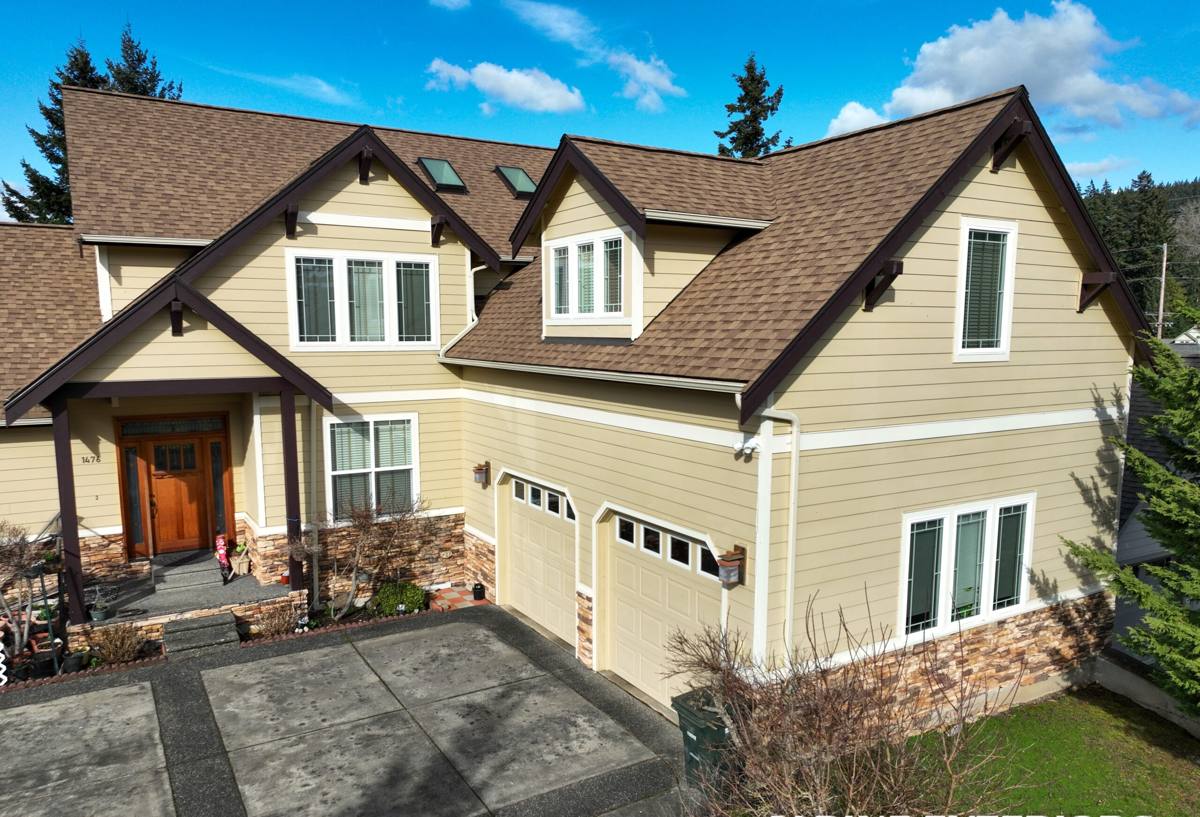
Why Salt Air, Rain, and Moss Are a Tough Combination
Each of these stressors causes damage on its own. Together, they compound.
Salt Air
Airborne salt accelerates corrosion on any exposed metal — nails, screws, joist hangers, bolts, and railing hardware. Once a fastener starts corroding, it loses holding strength long before it looks obviously bad. Corroded fasteners are one of the most common reasons a deck board that looks fine still feels loose or springy underfoot.
Driving Rain
Wind off the water doesn't just drop rain straight down — it pushes it sideways, into ledger connections, under flashing, and into end grain on boards and framing that were never meant to take on that much water. Wood absorbs water fastest through cut ends and fastener holes, which is exactly where a lot of deck framing is most vulnerable.
Moss and Prolonged Dampness
Moss itself doesn't destroy wood, but it holds moisture against the surface for weeks at a time, which is what actually causes rot. On decks with tree cover or north/east exposure, moss can establish in a single wet season and keep boards damp well after a storm has passed.
None of this means a deck on Lummi Island is doomed to fail — it means the repair has to address moisture management and hardware, not just the board that's visibly cracked or soft.
Signs Your Deck Needs Repair — And What They Usually Mean
- Soft or spongy boards: Usually trapped moisture and early rot, often worse than it looks from the top.
- Rust streaks around fasteners: A sign the hardware itself is corroding, not just surface staining.
- Railings that flex or feel loose: Often a post connection issue at the framing level, not just a loose railing bolt.
- Persistent moss or green film in the same spots every year: Points to a drainage or airflow problem in that section, not just a cleaning issue.
- Gaps or separation where the deck meets the house (the ledger board): One of the more serious signs, since this connection carries structural load.
- Boards cupping or crowning: A sign of uneven moisture exposure, common on shaded or partially covered decks.
If you're seeing more than one or two of these, it's worth having someone look at the whole deck rather than just the obvious problem spot — moisture damage tends to spread along framing before it shows up on the surface.
What a Correct Deck Repair Actually Involves
A repair that only replaces the board you can see is a temporary fix. A repair done right addresses the structure underneath it, because that's what determines whether the fix lasts through the next few wet seasons.
Structural Framing and Ledger Connection
We check the ledger board — where the deck attaches to the house — along with joists, beams, and posts for rot, corrosion, or movement. This connection is the single most important structural point on most decks, and it's also the most exposed to wind-driven rain against the siding.
Flashing
Proper flashing at the ledger and any other point where the deck meets the house keeps water from getting behind siding or into framing. Missing, damaged, or improperly lapped flashing is one of the most common root causes of ledger rot we find on repair calls.
Fasteners and Hardware
Given the salt air here, hardware selection matters more than most homeowners expect. We'll cover this in more detail below, but the short version is: matching fastener and connector material to a marine-influenced environment isn't optional if you want the repair to hold.
Decking Boards and Drainage
Damaged boards get replaced with attention to gapping and airflow underneath, so water sheds instead of pooling. On decks with moss issues, we also look at whether trimming sightlines or adjusting board spacing would help the area dry out faster between rains.
Materials and Cost Factors
Every repair is different, but the table below covers the main things that drive scope and cost on a typical Lummi Island deck repair.
| Factor | Why It Matters | Typical Impact |
|---|---|---|
| Extent of framing damage | Rot found in joists or the ledger requires structural work, not just board replacement | Can shift a job from a simple repair to a partial rebuild |
| Fastener and hardware condition | Corroded connectors need full replacement with marine-grade hardware | Moderate cost add, but critical for longevity |
| Access and material delivery | Island logistics, including ferry scheduling, affect how materials and crews get to the site | Can affect scheduling more than price |
| Decking material chosen | Wood, composite, and PVC each have different repair costs and lifespans in wet climates | Composite and PVC cost more upfront, less recurring maintenance |
| Scope: spot repair vs. section rebuild | Isolated board replacement is far less involved than reframing a section | Spot repairs often run in the low hundreds; structural sections run well into the thousands |
We give a firm number after we've actually looked at the deck — pricing over the phone for structural work isn't honest, since the framing condition often isn't clear until boards come up.
Fasteners and Hardware: The Detail Most Repairs Skip
This is worth its own section because it's the most common shortcut we see in past repair work on coastal and island properties. Standard galvanized fasteners are built for general outdoor use, not sustained salt air exposure. Over time, the zinc coating that protects them wears through, and corrosion sets in — often faster at the coast than most fastener packaging accounts for.
For Lummi Island repairs, we use stainless steel or coated fasteners and connectors rated for coastal or corrosive environments wherever the budget and application allow it. It costs more than standard hardware, but replacing rusted-out joist hangers or screws a few years down the road costs a lot more than the difference up front. We'll always explain the trade-off in plain terms rather than defaulting to whatever's cheapest.
Moss and Drainage Management
Treating moss without addressing why it's growing there just means treating it again next year. As part of a repair, we look at:
- Board spacing and whether it allows enough airflow underneath
- Whether nearby vegetation is keeping a section of deck shaded and damp longer than the rest
- Grading or drainage issues beneath the deck that keep the substructure wet
- Surface treatments or coatings that can reduce moss regrowth on wood decking
On composite or PVC decking, moss is generally a surface-cleaning issue rather than a structural risk. On wood decking, persistent moss is a maintenance item worth staying on top of, since it's tied directly to rot risk.
Our Deck Repair Process
- On-site assessment: We inspect the full deck — surface, framing, ledger, and hardware — not just the spot you called about.
- Honest scope and estimate: You get a clear explanation of what's cosmetic, what's structural, and what we'd recommend prioritizing.
- Scheduling around access: For island jobs, we plan material delivery and crew timing around ferry logistics so there are no surprise delays mid-project.
- Repair work: Structural and moisture-related issues are addressed first, then decking, railings, and finish work.
- Walkthrough: We go over what was repaired, what to watch going forward, and any maintenance recommendations specific to your deck's exposure.
Why Hiring a Crew That Already Works Lummi Island Matters
Deck repair isn't unique to islands, but working on Lummi Island does add real logistical considerations — ferry scheduling for materials and crew, tighter windows for larger deliveries, and weather that can shift a work day's plan on short notice. A crew that's done this before builds those factors into the timeline from the start instead of discovering them mid-project.
Just as important is familiarity with how the local climate actually behaves on decks here versus a generic coastal-town assumption. Knowing which fastener grade holds up, which framing details tend to fail first in wind-driven rain, and where moss tends to establish on shaded island lots comes from doing this work locally, not from a general contracting background.
After the Repair: Keeping It That Way
A good repair buys you years, but a little seasonal attention extends that further. Worth keeping on your own checklist:
- Clear leaves and debris from between boards before fall rains set in
- Check and clean moss-prone areas at least once before winter and once in spring
- Look at railing connections and any visible hardware once a year for early rust
- Keep an eye on the ledger area where the deck meets the house after major storms
- Reapply any wood sealant or finish on the manufacturer's recommended schedule, not just when it looks worn
If you're not sure whether what you're seeing on your deck is cosmetic or something that needs attention, we're glad to take a look. We offer free, no-pressure estimates for Lummi Island homeowners — just fill out the form below and we'll get in touch to schedule a time.