 Birch Bay Window
 Lummi Island Siding Has a Harder Job Than Most
Homes on Lummi Island sit closer to open water than almost anywhere else in Whatcom County, and the siding on them takes the consequences. Salt-laden air moves off the water and settles on exterior walls day after day, driving rain comes in sideways during winter storms, and the shaded, damp stretches of the island hold moisture long after a storm has passed. That combination — salt, wind-driven water, and a moss season that can run most of the year on north- and west-facing walls — is exactly the kind of exposure that separates siding that lasts decades from siding that needs attention every few years.
We're a Birch Bay-based crew, and Lummi Island is part of our regular service area, not a special trip. We've seen how this specific stretch of coastline treats different siding materials, and it's part of why we made the decision, years ago, to install only James Hardie fiber cement siding — nothing else goes on a wall with our name behind it.
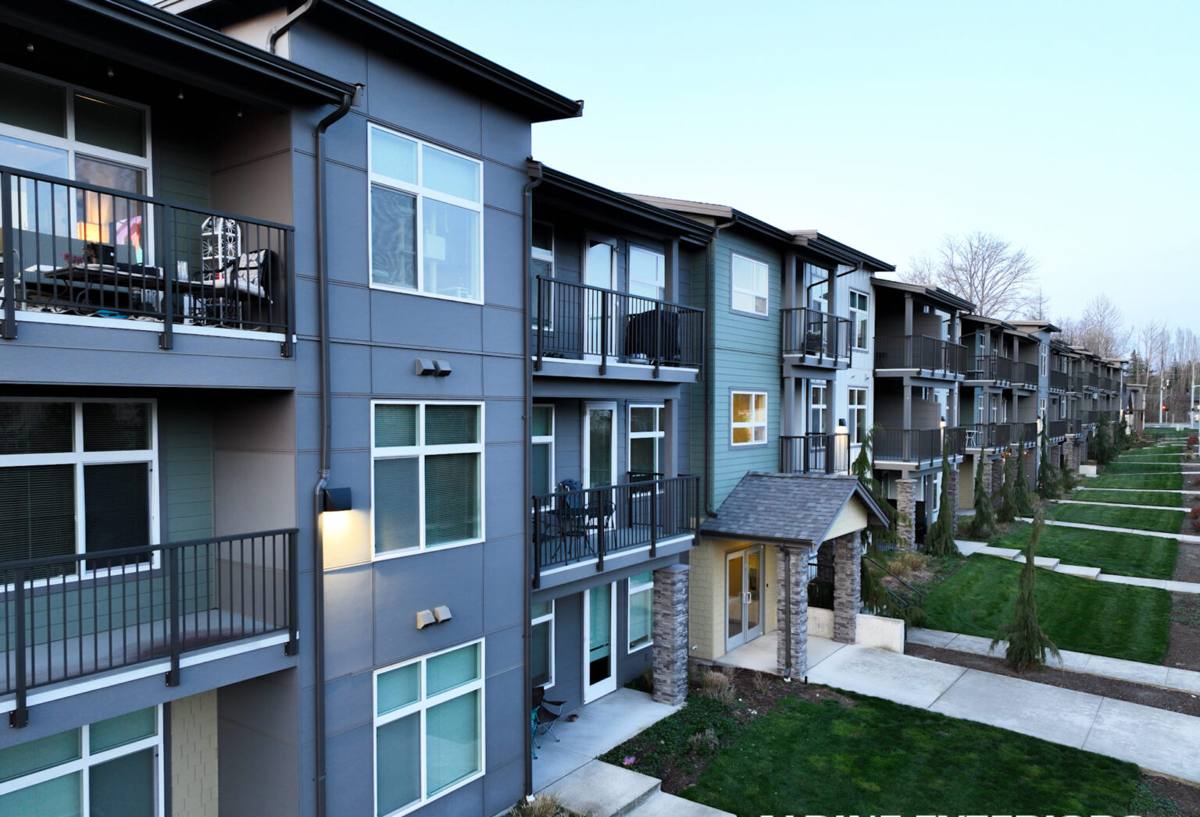
Why We Only Install James Hardie
We get asked why we don't offer vinyl, LP SmartSide, or cedar as options. The honest answer is that we used to see the maintenance calls those products generated in salt-air, high-moisture settings like Lummi Island — swelling, edge deterioration, repainting cycles, and moss that won't let go of a rough-textured or wood-based surface. James Hardie's fiber cement is non-combustible, doesn't absorb water the way wood-based products do, and holds a factory-baked finish that doesn't need to be repainted on the same schedule as field-painted materials. It's not the cheapest option on the shelf, but for a home exposed to this climate, it's the one we're willing to stand behind.
That's a deliberate, narrower business than most siding contractors run. We'd rather do one product exceptionally well on every job than stock five options and let homeowners guess which one fits their exposure.
Built for a Climate Zone, Not a One-Size-Fits-All Formula
James Hardie manufactures its siding in different formulations matched to different climate zones — colder, freeze-thaw-heavy regions get one engineering profile, and milder, wet marine climates like ours get another. That distinction matters on Lummi Island specifically, because the failure mode here isn't freeze cracking, it's sustained moisture exposure and salt. We spec the product line and installation details for that reality, not a generic national default.
What "Correct" Actually Means for an Island Home
James Hardie siding performs the way it's rated to only when it's installed to the manufacturer's specifications — and on a salt-air, high-rain site, the margin for sloppy installation is smaller than it is inland. A few of the details that matter most on Lummi Island jobs:
- Proper clearance and flashing at every window, door, and roofline transition, so wind-driven rain has nowhere to collect against the substrate.
- Correct fastener spacing and type — corrosion-resistant fasteners matter more here than almost anywhere inland, given the salt content in the air.
- Rain-screen or drainage gap behind the siding where the wall assembly calls for it, so any moisture that does get behind the cladding has a path to dry out instead of sitting against sheathing.
- Caulked and sealed joints at every panel and trim seam, done with the right product and joint width — not just "close enough."
- Ground clearance maintained at the base of the wall so splash-back and standing moisture don't sit against the bottom course.
Skip any one of these on a Lummi Island home and you're not looking at a slow, gradual decline — you're looking at moisture intrusion, trapped humidity, and the kind of rot or mold that shows up behind the wall long before it's visible from the yard.
How We Approach a Lummi Island Job
1. On-Site Assessment
We walk the exterior and look specifically at exposure — which walls take the worst of the wind and salt, where moss has already taken hold, where old trim or flashing shows signs of past water intrusion. Every home's exposure profile on the island is a little different depending on which direction it faces and how much tree cover shields it.
2. Product and Line Selection
We talk through which James Hardie line and profile fits the home — lap siding, panel siding, or a mix with trim and accent boards — and which ColorPlus finish holds up best against the specific sun and salt exposure of that lot.
3. Removal and Substrate Check
Old siding comes off and we inspect the sheathing and framing underneath before anything new goes up. On a coastal, moisture-heavy site, this step is not optional — installing new siding over compromised sheathing just hides a problem instead of fixing it.
4. Weather Barrier and Drainage Detailing
We install or verify the weather-resistant barrier and drainage plane before a single piece of Hardie board goes on, then flash every penetration correctly the first time.
5. Installation to Manufacturer Spec
Fastening, spacing, caulking, and clearances are done to James Hardie's published specifications — not shortcuts, because shortcuts are what void warranties and cause callbacks.
6. Final Walkthrough
We walk the finished job with the homeowner, cover basic care, and answer questions about what to expect over the next several years.
Why It Matters That We Already Work This Island
Lummi Island is reached by a small ferry, which changes how a project needs to be planned. Material deliveries, crew scheduling, and equipment staging all have to account for ferry timing in a way that a mainland Birch Bay job simply doesn't. A crew that hasn't worked the island before is learning that logistics puzzle on your project. We're not — Lummi Island jobs are a routine part of our schedule, and we plan around ferry timing as a matter of course rather than a surprise that delays the job.
There's also a site-familiarity advantage that's easy to underrate: we've already seen how homes on different parts of the island weather over time, which tells us where to pay extra attention on flashing, drainage, and moss-prone north walls before problems start rather than after.
Salt Air, Moss, and the Long-Term Maintenance Picture
One of the real advantages of James Hardie's ColorPlus factory finish on a site like this is that it's baked on and warranted against fading and peeling, which matters more here than in a drier inland climate — repainting a house on Lummi Island isn't a simple weekend project. Even with a durable, factory-finished product, a few ongoing habits keep a Hardie exterior performing at its best in this climate:
- Rinse siding annually, focusing on north- and west-facing walls where moss and salt residue build up fastest.
- Keep gutters clear so overflow doesn't run down the face of the siding and feed moss growth.
- Trim back vegetation and tree cover that keeps a wall section shaded and damp longer than the rest of the house.
- Inspect caulking at trim joints and penetrations every year or two, since caulk is the one component that ages faster than the siding itself.
- Address any small chip or scratch in the finish promptly with manufacturer-approved touch-up, rather than letting bare fiber cement sit exposed to moisture.
What Drives the Cost of a Lummi Island Siding Job
Every home is different, but the same handful of factors move the price up or down on most projects in this area:
| Factor | Why It Matters Here |
|---|---|
| Home size and wall complexity | More corners, dormers, and trim detail mean more cutting, flashing, and labor time. |
| Tear-off vs. new construction | Removing old siding and repairing any water-damaged sheathing adds time but is essential on a coastal home. |
| Siding profile and line selection | Lap, panel, and shingle-style profiles carry different material and labor costs. |
| ColorPlus finish vs. field paint | Factory finish costs more up front but avoids a repainting cycle later in a climate that's hard on paint. |
| Site access and ferry logistics | Material staging and delivery timing on the island take more planning than a mainland job. |
| Trim, fascia, and accent work | Matching trim details adds labor but keeps moisture-prone transitions properly sealed. |
Signs a Lummi Island Home May Need Siding Attention Soon
A few warning signs are worth acting on before they become bigger problems, especially given how unforgiving this climate can be toward hidden moisture:
- Persistent moss or dark streaking that returns quickly after cleaning
- Soft or spongy spots when pressing on siding, especially near the bottom courses
- Visible gaps, cracking, or separation at trim joints and corners
- Peeling or bubbling paint on wood-based siding, or chalky fading on older finishes
- Musty odors or visible staining on interior walls that share an exterior wall
If any of those sound familiar, it's worth having someone look at the wall assembly, not just the surface — on a site this exposed, what's happening behind the siding usually matters more than what's visible on it.
Get a Straightforward Estimate
If you own a home on Lummi Island and you're weighing your siding options, we're happy to come take a look, walk the exterior with you, and talk through what James Hardie siding would actually involve for your specific home — no pressure, no generic sales pitch. Use the form below to request a free estimate.