 Birch Bay Window
 Building a Deck That Actually Holds Up in Lynden
Lynden sits inland from Birch Bay but still gets the full weather package that defines this corner of Whatcom County: marine air carrying salt off the Strait of Georgia, long stretches of driving rain from fall through spring, and a moss season that can run half the year on anything shaded or north-facing. A deck built with generic, big-box specs might look fine the first summer. By year three or four, homeowners are dealing with soft boards, rusted fasteners, and a green film that never fully goes away no matter how often it's power-washed. Building a custom deck for this area isn't about upgrading for the sake of it — it's about matching the materials and details to what the climate actually does to wood, metal, and concrete here.
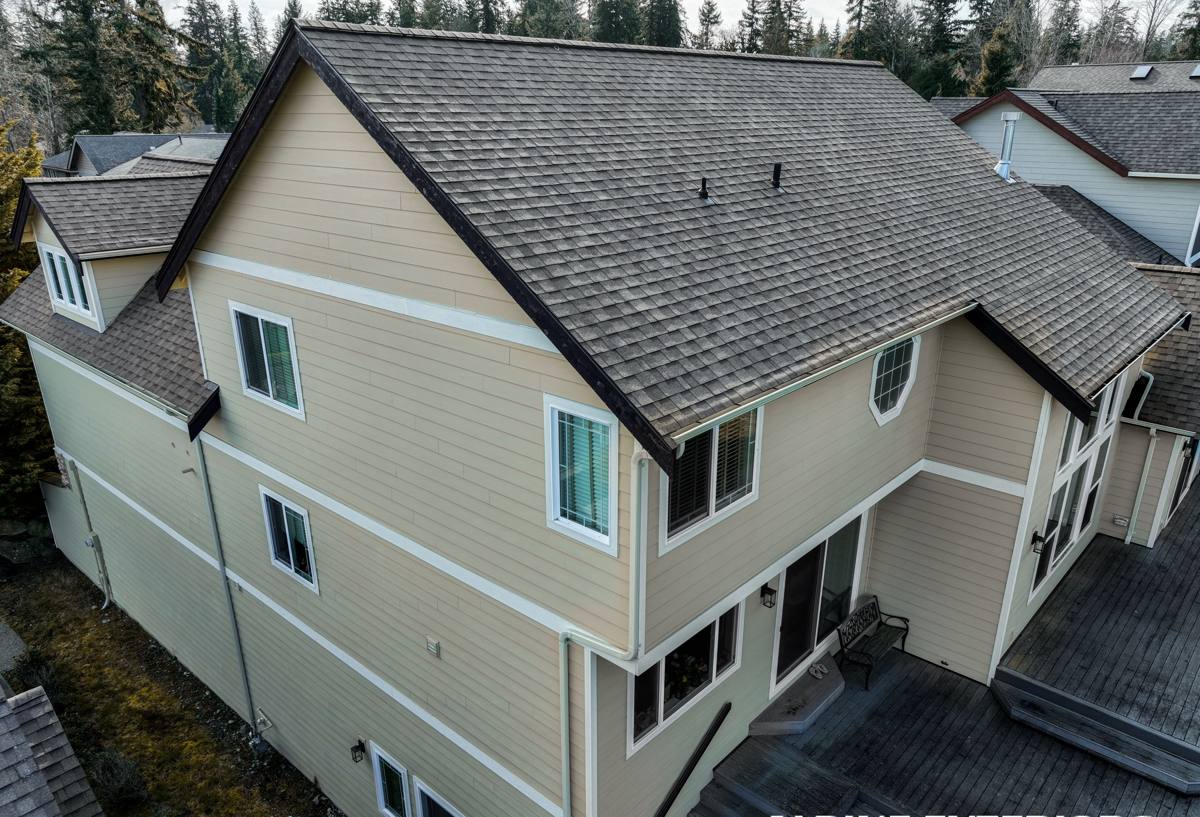
What Salt Air, Rain, and Moss Actually Do to a Deck
Salt Air and Corrosion
Even a few miles inland, airborne salt from the coast accelerates corrosion on any exposed metal — screws, joist hangers, post bases, railing brackets. Standard zinc-coated fasteners can start showing rust streaks down the face of a deck within a couple of seasons in this environment. That staining isn't just cosmetic; it's a sign the coating is breaking down faster than it should, which shortens the life of the connection underneath it.
Moss, Shade, and Trapped Moisture
Whatcom County's wet, mild winters are ideal moss-growing conditions, especially on decks that sit under trees or on the north side of a house where sun exposure is limited. Moss itself isn't just an appearance issue — it holds moisture against the deck surface long after the rain has stopped, which is exactly the condition that causes wood to rot and composite boards to develop mold in their grain texture. A deck design that ignores drainage, airflow, and sun exposure is signing up for a moss problem from day one.
Driving Rain and Water Intrusion
Wind-driven rain in this region doesn't just fall straight down — it gets pushed sideways into ledger boards, post connections, and any gap where the deck meets the house. Most of the serious structural failures we see in older decks trace back to water getting into a joint that was never properly flashed or sealed, not to the decking boards themselves.
Decking Material Options for a Lynden Climate
There's no single "best" decking material — every option is a trade-off between upfront cost, maintenance, and how it behaves in wet, salty, shaded conditions. Here's how the common choices stack up for this specific climate.
| Material | Moisture & Moss Behavior | Maintenance | Typical Lifespan Here |
|---|---|---|---|
| Pressure-treated pine | Absorbs water readily; moss and mildew take hold quickly without regular cleaning and sealing | Annual cleaning, re-sealing every 1-2 years | 10-15 years with upkeep |
| Cedar | Naturally rot-resistant and handles moisture better than pine, but still needs protection from standing water | Cleaning and oil/stain every 1-2 years | 15-20 years with upkeep |
| Composite (capped) | Doesn't absorb water or rot, but moss and algae can still grow on the surface film in shaded, damp spots | Periodic washing, no staining or sealing | 25+ years |
| PVC decking | Fully water-resistant, most consistent performance in salt air and constant dampness | Occasional washing | 25-30+ years |
Cost follows this same order — pressure-treated is the least expensive up front, PVC the most. The right call usually comes down to how much shade the deck gets, how much time the homeowner wants to spend maintaining it, and how long they plan to stay in the house.
The Structural Details That Matter More Than the Decking Surface
Homeowners often focus on which decking board to pick, but the parts that actually determine whether a deck lasts are underneath and out of sight.
Footings and Post Bases
Footings need to be sized and set below frost depth per local code, with post bases that hold the post above the concrete rather than embedding wood directly in it — end-grain wood sitting in or on damp concrete is one of the fastest ways to start rot in a support post.
Ledger Board Attachment
Where the deck attaches to the house is the single most common source of long-term water damage. It needs proper flashing that directs water away from the house band board, not just caulk, which breaks down over time and is not a substitute for correct flashing details.
Fasteners and Hardware
Given the corrosion issue described above, we spec stainless steel or high-grade coated fasteners and hardware rated for coastal or corrosive environments on every custom deck we build in this area — the small upcharge over standard hardware is minor compared to the cost of replacing rusted-out connections later.
Design Choices That Fit How Lynden Homes Actually Get Used
A good custom deck design accounts for the site, not just a floor plan pulled off a template.
- Drainage slope: the deck surface and any attached structure should shed water away from the house, not pool against it.
- Sun and shade mapping: knowing which sections of the deck stay damp longest helps decide where to use more moisture-resistant materials or add gaps for airflow.
- Board spacing and joist spacing: tighter spacing looks clean but traps debris and slows drying; on shaded decks, slightly wider gaps and proper joist tape make a real difference in moss resistance.
- Lot size and layout: many properties in and around Lynden sit on larger residential or semi-rural lots, which often means more design freedom for multi-level decks, covered sections, or decks positioned to work with existing outbuildings and mature trees.
- Covered vs. open sections: a partial roof or pergola over part of the deck can meaningfully cut down on moss and UV wear in the areas that get the most exposure.
Our Process, Start to Finish
- On-site walkthrough: we look at drainage patterns, sun exposure, existing structure, and how the space will actually be used before drawing anything.
- Design and material selection: we walk through the material trade-offs above based on your budget, maintenance tolerance, and how long you plan to stay in the home.
- Permitting: we handle the permit application and inspection scheduling required by the county or city, so the deck is built to code from the footings up.
- Site prep and footings: proper footing depth and post base selection, set before any framing begins.
- Framing and flashing: ledger attachment, joist layout, and flashing details are done first and inspected before decking goes down.
- Decking, railing, and finish work: installed with corrosion-resistant fasteners and correct spacing for drainage and drying.
- Final walkthrough: we go over basic care for whatever material was chosen so it's clear what upkeep is actually needed.
Keeping a New Deck Looking Good Through Whatcom County Winters
The maintenance a deck needs depends heavily on the material chosen, but a few habits apply across the board in this climate:
- Clean off leaves and debris before the fall rains set in — trapped organic matter is what feeds moss and mildew growth.
- Rinse or scrub visible moss promptly rather than letting it establish; it's far easier to remove early than after it's taken hold.
- Check fastener heads and hardware once a year for early rust staining, especially near the coast-facing side of the house.
- Re-seal or re-stain wood decking on the schedule recommended for that specific product — skipping a cycle in this climate shows up fast.
- Keep gutters and downspouts clear so runoff isn't dumping extra water directly onto or near the deck structure.
Why It Matters That We Already Work in This Area
A deck built to a generic national spec sheet doesn't account for what salt air, sustained rain, and a long moss season do over years, not months. Working regularly in Birch Bay and the surrounding Whatcom County communities, including Lynden, means we're not guessing at what holds up here — we're building to what we've already seen succeed and fail on decks in this exact climate. That local familiarity shapes real decisions: which hardware grade to spec, how much slope to build into the surface, and where a covered section actually earns its cost.
Permits and Local Requirements
Most custom deck projects of any real size require a building permit, whether the property is inside Lynden city limits or in unincorporated Whatcom County, and the requirements can differ depending on jurisdiction, deck height, and proximity to property lines. We handle the permit process as part of the build so the footings, framing, and railing all meet current code rather than becoming a problem at resale.
If you're planning a new deck or replacing one that hasn't held up to a Lynden winter, we're happy to walk the site with you and put together a free, no-pressure estimate — no obligation, just a straight look at what your property needs.