 Birch Bay Window
 Building Decks That Hold Up in Nooksack's Weather
A deck in Nooksack has a harder job than it looks like it does. It's not just holding weight — it's shedding water for eight or nine months a year, standing up to salt-laden air rolling in off the water, and fighting off moss and algae that would happily take over every horizontal surface if given the chance. We build decks for homes in this area because we live with the same weather, and we've learned which materials, fasteners, and framing details actually hold up here versus which ones just look good on the day of installation.
This page is specifically about deck building for Nooksack properties — not a general overview of decks everywhere. If you're comparing quotes or trying to understand what a correct deck build looks like in Whatcom County's climate, this is written for you.
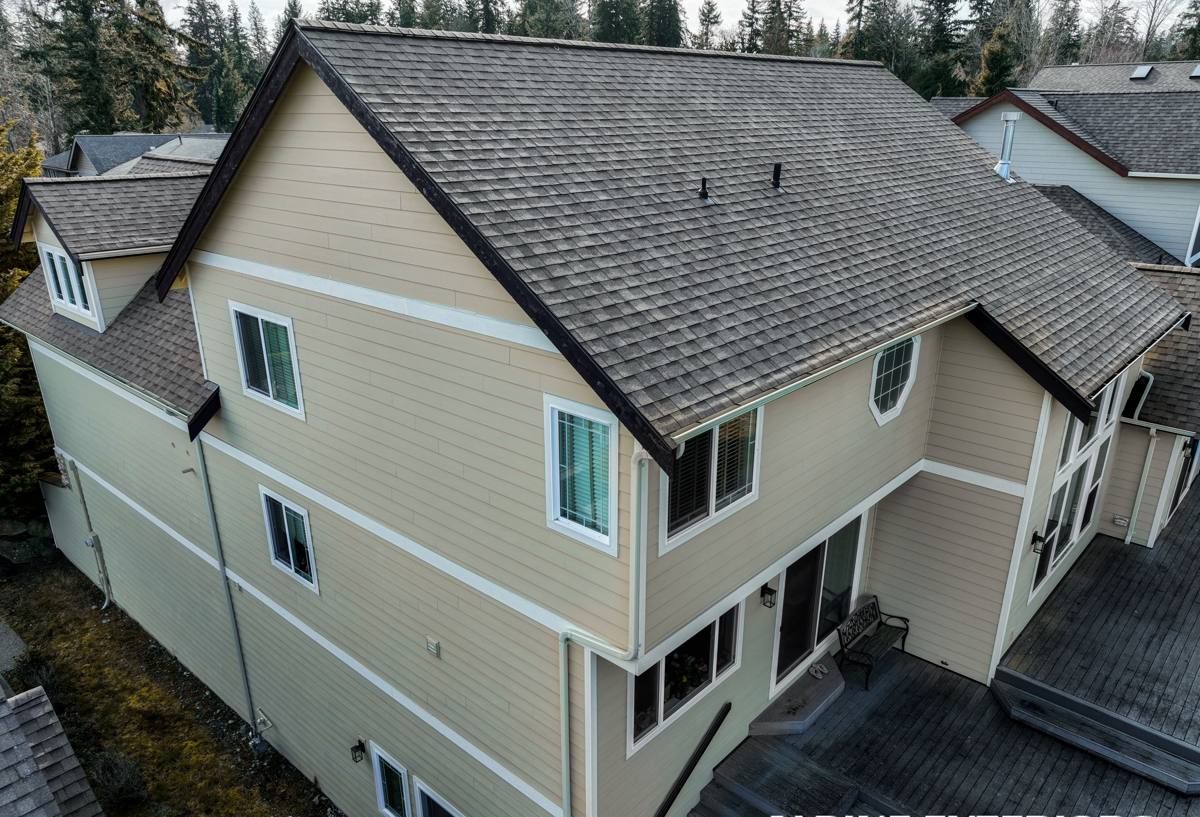
What Nooksack's Climate Actually Does to a Deck
Homeowners who move here from drier climates are often surprised by how fast an improperly built deck can start showing problems. A few specific stressors show up again and again in this area:
- Salt air and moisture: Proximity to the water means airborne salt settles on exposed surfaces and accelerates corrosion on fasteners, hardware, and any metal connectors that aren't rated for it.
- Driving rain: Storms here don't just fall straight down — wind-driven rain gets pushed sideways into ledger connections, stair stringers, and any gaps where water can collect instead of drain.
- Long moss season: Cool, damp conditions for much of the year mean moss and algae get a long runway to establish themselves on decking, especially in shaded areas or spots that don't get direct sun and airflow.
- Freeze-thaw cycling: Whatcom County doesn't get brutal winters, but the repeated freeze-and-thaw swings still work on any water that's trapped in wood grain, fastener holes, or poorly sealed end cuts.
None of this means a deck can't last for decades in Nooksack — it means the build has to account for these conditions from the framing up, not just at the surface.
Where Decks Around Here Usually Fail First
The Ledger Connection
The single most common failure point we see on older or poorly built decks is the ledger board — where the deck attaches to the house. If that connection isn't flashed correctly, driving rain works its way behind the ledger and into the rim joist, and you don't see the damage until it's already significant. This is also the single most important structural connection on the whole deck, since it's what keeps the deck from separating from the house.
Fasteners and Hardware
Standard hardware corrodes faster here than in drier inland climates, especially anything within a mile or two of saltwater. Galvanized fasteners that would last decades in eastern Washington can start showing rust streaks and weakening within a few years in a salt-air environment if they weren't rated for it in the first place.
Decking Surfaces in Shade
Any part of a deck that stays shaded and damp — under overhangs, near landscaping, on the north side of the house — is where moss gets a foothold first. Once moss establishes, it holds moisture against the decking surface constantly, which shortens the life of wood decking and can make composite surfaces slick and slippery.
Stairs and Railings
Stair stringers sit close to grade and catch splashback and standing water more than any other part of the structure. Combined with end-grain cuts that are more absorbent than the face of the board, stairs are often the first place rot shows up on a deck that's otherwise in decent shape.
What a Correctly Built Deck Includes
A deck built for Nooksack's conditions should include, at minimum:
- Properly flashed ledger board with a water-resistant barrier between the ledger and the house sheathing
- Corrosion-resistant fasteners and structural hardware rated for the exposure the deck will actually see
- Joist tape or comparable protection on the tops of framing lumber to keep water out of end grain and fastener penetrations
- Proper drainage slope on the decking surface so water sheds instead of pooling
- Adequate airflow underneath and around the structure to help wood dry out between rain events
- Post bases that keep structural wood off grade and out of standing water
- Code-compliant railing height, baluster spacing, and stair geometry
Skipping any one of these doesn't necessarily cause an immediate problem — decks built without them can look fine for a year or two. The issues show up three, five, or ten years in, usually as soft spots, rust streaks, or a ledger connection that's failed quietly behind the surface.
Choosing Materials for This Climate
There's no single "best" decking material for every homeowner — it depends on budget, maintenance tolerance, and how the deck will be used. Here's how the common options compare specifically for Nooksack's conditions:
| Material | Moisture/Moss Behavior | Maintenance | Typical Lifespan |
|---|---|---|---|
| Pressure-treated wood | Absorbs moisture; needs sealing to resist moss and staining | Annual cleaning, periodic sealing/staining | 15-25 years with upkeep |
| Cedar | Naturally rot-resistant but still needs sealing in damp shade | Regular sealing to maintain color and water resistance | 20-30 years with upkeep |
| Composite decking | Doesn't absorb water like wood, but can stay slick if moss/algae aren't cleaned off | Periodic washing; no sealing or staining required | 25-30+ years, manufacturer-dependent |
| PVC decking | Fully moisture-resistant surface material | Occasional washing | 25-30+ years, manufacturer-dependent |
We install a range of these depending on what a homeowner wants. Our standard for any material we install is that it has to have a track record of holding up to real Pacific Northwest weather — not just a manufacturer's marketing claims. When we steer a homeowner away from a particular product, it's because of how it behaves in wet, shaded, salt-air conditions specifically, and we'll walk through the actual trade-offs — maintenance burden, moisture behavior, warranty terms — rather than just telling you what not to buy.
Framing and Structure: The Part You Don't See
The decking surface gets all the attention, but the framing underneath is what determines how long the deck actually lasts. For Nooksack builds, we pay particular attention to:
Footing Depth and Post Placement
Footings need to be sized and set to local code requirements, accounting for soil conditions on the property. Posts should sit on bases that keep the wood off the concrete and off grade, so moisture doesn't wick up into the post over time.
Joist Spacing and Span
Joist spacing affects how much a deck flexes underfoot and how it performs over time — tighter spacing generally means a stiffer, longer-lasting deck, especially under composite or PVC decking, which can be less forgiving of under-built framing than solid wood.
Beam and Girder Sizing
Beams need to be sized for the actual span and load, not just "what's been done before." Undersized beams are one of the more common shortcuts we see on decks that were built without a permit or without an engineer's input on a larger structure.
Our Deck Building Process for Nooksack Homes
- On-site assessment: We look at the specific conditions on your property — sun exposure, drainage, proximity to the water, existing structure if it's a rebuild — and talk through what you actually want to use the deck for.
- Design and material selection: We go over decking material, railing style, and layout options, with honest pros and cons for each given your site's exposure.
- Permitting: Most deck builds in Whatcom County require a permit, especially for anything attached to the house or above a certain height. We handle this as part of the process.
- Framing and structural work: This is where the ledger flashing, footings, posts, and joists get built to hold up long-term, not just pass a quick visual inspection.
- Decking, railing, and stairs installed: Surface materials go on last, with attention to drainage slope, fastener pattern, and clean stair and railing details.
- Final walkthrough: We go over the finished deck with you, including any maintenance recommendations specific to the material you chose.
Maintenance That Actually Matters Here
Every deck in this climate needs some level of upkeep — the question is how much. A short, honest maintenance checklist for Nooksack decks:
- Clear debris and standing leaves off the surface before fall rains set in, especially in shaded corners
- Wash the deck surface at least once a year to knock back moss and algae before it establishes
- Check and reseal wood decking on the manufacturer's recommended schedule, not just when it looks dry
- Inspect the ledger connection and flashing periodically for signs of water staining or gaps
- Check fastener heads and hardware for early rust or corrosion, particularly on decks close to the water
- Keep gutters and downspouts near the deck clear so runoff isn't dumping directly onto or under the structure
Why Hire a Crew That Already Works in This Area
Deck building isn't a one-size-fits-all trade. A crew that mostly builds in drier inland climates may not think twice about standard fastener grades or ledger flashing details that matter a lot more here. Working regularly in Birch Bay and the surrounding Whatcom County communities means we've already seen how different materials and build details actually perform after a few winters of driving rain and salt air — not just how they look on installation day. That experience shapes the specific choices we make on framing, hardware, and material recommendations for every deck we build in this area.
We're also familiar with local permitting requirements and inspection expectations, which keeps the project moving without surprises partway through.
Get a Free, No-Pressure Estimate
If you're planning a new deck or need to replace one that's showing its age, we're happy to come take a look, talk through your options, and give you an honest, no-pressure estimate. Fill out the form below and we'll get in touch to schedule a time that works for you.