 Birch Bay Window
 Roofing in Point Roberts Has Its Own Set of Problems
Point Roberts sits at the end of a peninsula with water on three sides, which means every roof out there takes weather that a lot of standard installation practices simply weren't built to handle. Salt-laden air off the water works on exposed metal — fasteners, flashing, drip edge — faster than it does a few miles inland. Add in the driving rain that comes through Whatcom County off the Pacific, plus the shade and dampness that keeps moss growing nearly year-round, and you get roofs that age differently than the manufacturer's brochure suggests. A new roof installation in Point Roberts needs to be planned around these conditions from the first nail, not patched around them later.
We're a Birch Bay-based crew, and Point Roberts is part of our regular service area, not a special trip. That matters more than most homeowners realize until they've dealt with a contractor who treats it as an afterthought.
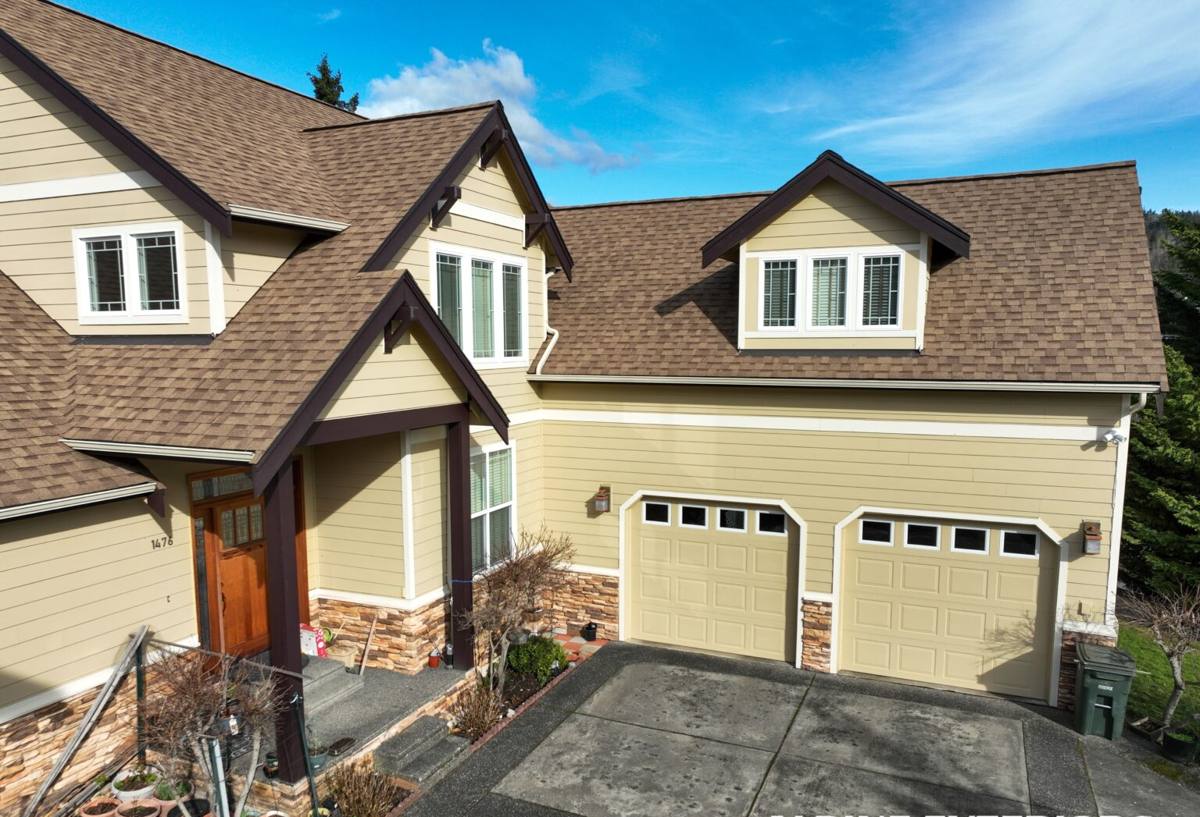
What Actually Fails First on Point Roberts Roofs
Before talking about installation, it helps to know what we actually find when we tear off an aging roof out there:
- Corroded or backed-out fasteners, especially on the weather-facing slopes closest to open water
- Moss colonies holding moisture against the shingle mat, lifting tabs and breaking the seal strip
- Rust streaking and pinholes in older flashing around chimneys, skylights, and wall intersections
- Soft or delaminated decking under valleys and eaves where water has been sitting longer than it should
- Granule loss on south- and west-facing slopes from constant wind-driven rain
None of these are unusual for the climate. They're predictable, which is exactly why a correct installation can head most of them off.
What a Correct New Roof Installation Actually Involves
Full Tear-Off, Not an Overlay
Installing new shingles over an old layer is faster and cheaper up front, but it traps moisture, hides decking problems, and shortens the life of the new roofing. In a climate that already pushes moisture into every seam it can find, we don't recommend it. A full tear-off lets us see the decking, the old flashing, and any hidden rot before it's covered up again for another 20-plus years.
Decking Inspection and Repair
Every sheet of exposed decking gets checked for soft spots, delamination, and rot — particularly around valleys, eaves, and old vent penetrations, which is where we most often find damage on Point Roberts homes. Bad sections get replaced, not shimmed or skipped.
Underlayment and Water Barriers
Given the amount of driving rain this area sees, we use synthetic underlayment across the field of the roof and self-adhering ice-and-water barrier at eaves, valleys, and around penetrations — the spots most likely to see wind-driven water forced up under the shingle edge.
Flashing Done Right
Flashing failures cause more roof leaks than worn-out shingles do. That means new step flashing at every wall intersection, proper kick-out flashing where a roof edge meets a wall (a detail that's frequently missed and a common source of hidden siding rot), and corrosion-resistant flashing material at chimneys and skylights instead of reusing anything old.
Balanced Ventilation
Intake at the soffit and exhaust at the ridge need to work together, not against each other. Poor ventilation traps warm, moist attic air against the underside of the decking, which shortens shingle life and feeds the moss and algae problem from the inside out.
Fasteners and Hardware
Given the salt content in the air this close to the water, we use corrosion-resistant fasteners and hardware rather than standard-grade steel. It costs a little more. It also means you're not dealing with rust streaks and backed-out nails five years in.
Choosing a Roofing Material for This Climate
There's no single "best" roofing material — the right choice depends on your budget, your roof's slope and exposure, and how much long-term maintenance you want to take on. Here's how the common options actually perform in salt air, heavy rain, and moss-prone conditions:
| Material | Typical Lifespan | How It Handles This Climate | Relative Upfront Cost |
|---|---|---|---|
| Architectural asphalt shingle (algae-resistant) | 25–30 years | Good balance of cost and durability; algae-resistant granules help slow moss/algae staining but don't eliminate the need for periodic cleaning | Moderate |
| Standing seam metal | 40–50+ years | Sheds water and moss growth very well due to smooth, steep-shedding surface; needs corrosion-resistant fasteners and coatings near the water | Higher |
| Synthetic/composite shingle | 30–40 years | Resists moisture absorption and rot better than wood products; performance varies by manufacturer, so warranty terms matter | Moderate to higher |
| Cedar shake | 20–25 years with upkeep | Attractive but absorbs moisture and is the most susceptible to moss and rot in this climate; requires the most ongoing maintenance | Higher |
For most Point Roberts homes, we steer clients toward algae-resistant architectural shingles or standing seam metal, simply because they hold up with the least maintenance burden given the salt air and moss exposure. Cedar shake can still be the right call for the right homeowner — we just make sure you understand the maintenance commitment going in, not after.
Our Process, Start to Finish
- On-site inspection of the roof, decking access points, and attic ventilation, with a written estimate — no pressure, no hard sell
- Material selection based on your budget, roof slope, and exposure
- Scheduling that accounts for weather windows and, for Point Roberts jobs, material and crew logistics specific to the area
- Full tear-off and decking inspection, with photos of any repairs needed before we cover them
- Underlayment, flashing, and ventilation installed to spec, not shortcuts
- Roofing material installed per manufacturer requirements to keep your warranty intact
- Full site cleanup, including a magnetic sweep for stray fasteners
- Final walkthrough and warranty paperwork before we consider the job done
Why a Crew That Already Works Point Roberts Matters
Point Roberts is a geographic exclave — the only way in by land is through Canada, and that changes how a roofing job actually gets run. Material deliveries, dumpster drop-off and pickup, and crew scheduling all need to be planned around that reality. A contractor who doesn't regularly work the area can underestimate this, which shows up as delayed start dates, scrambled material orders, or a crew that's caught off guard mid-project. We already build this into how we quote and schedule Point Roberts jobs, because it's not a special case for us — it's routine.
That same local familiarity extends to knowing how homes out there actually weather over time, since we've seen the roofs, not just the sales brochures.
Ventilation and Moss Prevention Are Part of the Job, Not an Afterthought
A new roof slows moss growth, but it doesn't stop it — moss is driven by shade, moisture, and organic debris, and Point Roberts has plenty of all three. Balanced attic ventilation reduces the moisture feeding it from underneath. On top of that, keeping gutters clear, trimming back overhanging branches, and periodic gentle roof cleaning go a long way toward protecting the investment you just made. We're happy to walk you through a simple maintenance routine at the end of the job — it's a lot cheaper than an early replacement.
Signs Your Point Roberts Roof May Be Due for Replacement
- Shingles curling, cupping, or losing granules in visible patches
- Moss or dark algae streaking that keeps coming back after cleaning
- Soft spots or noticeable give when walking the roof
- Daylight visible through the roof boards from inside the attic
- Rust staining or gaps at flashing around chimneys, vents, or skylights
- A roof approaching or past 20–25 years old, regardless of how it looks from the ground
If you're seeing more than one of these, it's worth having someone take an honest look before it turns into a decking or interior repair on top of the roofing job.
Warranty and What to Expect Afterward
A new roof typically carries two separate warranties: a manufacturer's warranty on the material itself, and a workmanship warranty from the installing contractor covering the labor. These aren't the same thing, and it's worth understanding both before you sign anything. Manufacturer warranties can also be voided by improper ventilation or installation that doesn't follow their published specs — another reason the underlayment, flashing, and ventilation details matter just as much as the shingle brand on the invoice.
If you're weighing a new roof for a Point Roberts home, we're glad to come take a look and give you a straightforward, no-pressure estimate — just fill out the form below.