 Birch Bay Window
 Windows Built for the Point Whitehorn Coastline
Point Whitehorn sits on the water side of Birch Bay, and that location is exactly what makes window replacement here a different job than it is a few miles inland. Homes on this stretch of Whatcom County shoreline take a steady diet of salt-laden air off the water, wind-driven rain that hits window walls at an angle instead of straight down, and the kind of year-round dampness that keeps moss and algae growing on anything that stays shaded and wet. Older wood and aluminum-frame windows in particular show their age here faster than the same windows would in a drier, more sheltered part of the county.
We work Point Whitehorn regularly, which means we already know what to look for before we start measuring: which sides of a house take the worst weather, where flashing tends to fail first, and which window styles hold up and which ones don't. That local pattern recognition is worth more than any brochure spec sheet when you're deciding what to put in your walls.
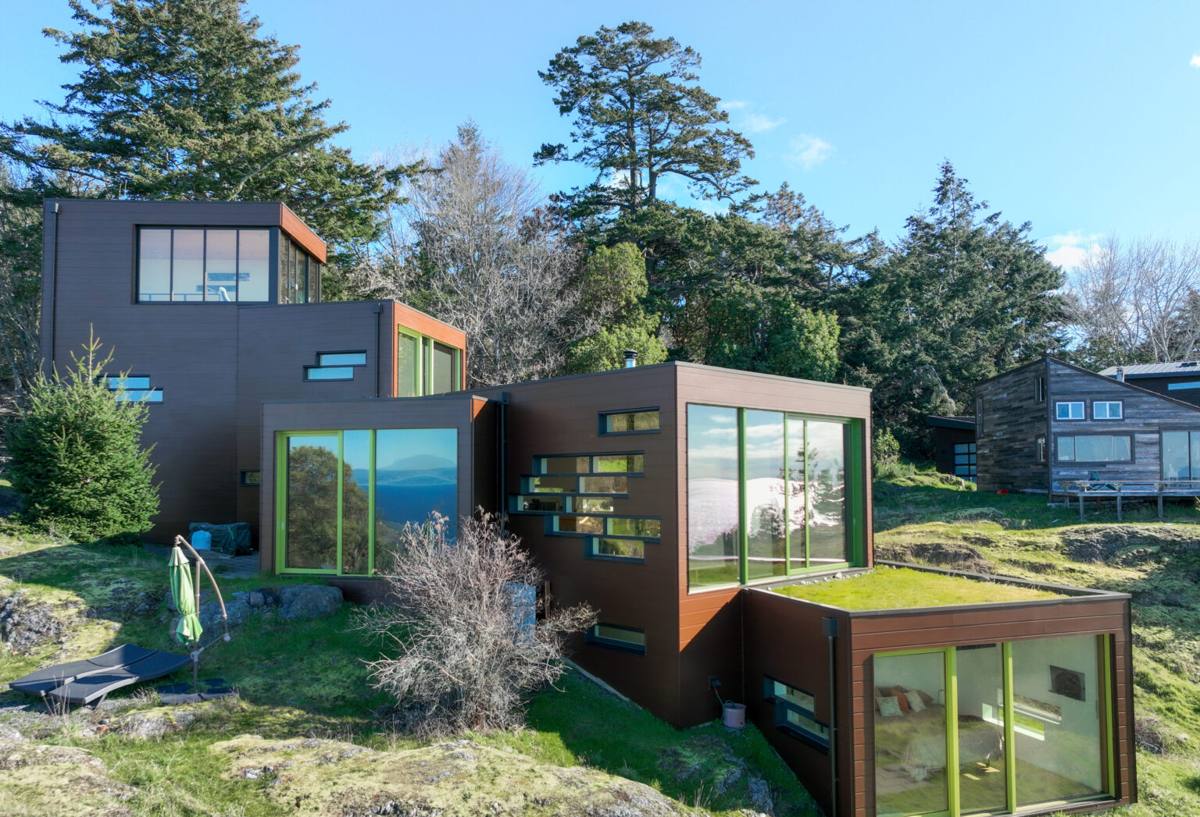
What Salt Air and Driving Rain Actually Do to a Window
It helps to understand the failure modes before talking about fixes. Salt air is corrosive to metal hardware — hinges, balance systems, and screws — long before it does visible damage to glass or frames. Once hardware starts to seize or corrode, a window stops sealing tightly even if the frame itself still looks fine. Driving rain, meanwhile, tests every seam and joint in a window assembly. A window that would stay dry in calm weather can leak under a sideways Birch Bay storm if the flashing detail underneath it was never built to handle wind-driven water in the first place.
Moss and algae are a slower problem but a real one. They hold moisture against wood trim and sills, and that trapped moisture is what actually causes rot — the moss itself is more a symptom than the cause. On a shaded, north-facing wall near the water, that cycle can run for years before a homeowner notices soft wood or a window that no longer closes flush.
Common Signs It's Time to Replace, Not Repair
- Wood sills or frames that feel soft, spongy, or crumble slightly when pressed
- Visible fogging or moisture between panes of double-glazed glass, which means the seal has failed
- Windows that are hard to open, close, or lock — often a sign of corroded hardware or a swollen frame
- Persistent drafts or cold spots near the window even when it's fully closed and latched
- Paint that keeps peeling or bubbling around the frame, which usually points to moisture getting in from somewhere
- Visible daylight or gaps around the frame edge, especially on walls that take the worst weather
If a window has one or two of these signs and the frame itself is still structurally sound, repair can sometimes buy a few more years. Once rot has set into the frame or the seal has failed on multiple panes, repair usually costs nearly as much as replacement without solving the underlying problem.
What a Correct Window Replacement Job Involves
Window replacement is often sold as a one-day, drop-in job, but the parts that actually determine whether a window lasts are mostly hidden once the trim goes back on. On a Point Whitehorn home, we pay particular attention to a few steps that matter more here than they would somewhere sheltered.
Removing the Old Window and Checking What's Behind It
Once the old window comes out, we check the rough opening for hidden rot, water staining, or damaged sheathing. On older waterfront homes, this is often where problems that were invisible from outside actually show up. Any soft or damaged framing gets addressed before a new window ever goes in — installing a new window over a compromised opening just hides the problem for a few more years.
Flashing and Water Management
This is the single most important part of a coastal window install and the part homeowners see least. Proper flashing directs any water that gets past the window itself back out and away from the wall assembly, rather than letting it soak into the framing. On homes exposed to driving rain off the bay, we pay close attention to head flashing above the window and the sill pan below it — these are the two spots most likely to leak if they're built to a minimum-code standard instead of a coastal one.
Sealing and Insulating the Gap
Between the new window frame and the rough opening there's a gap that needs to be sealed and insulated correctly — not overfilled with expanding foam, which can bow a frame, and not left with gaps, which lets air and moisture through. Getting this right affects both energy performance and how well the window resists drafts during winter storms.
Hardware and Finish Details
Given the corrosion risk from salt air, hardware choice matters more here than in an inland home. We favor corrosion-resistant hardware and finish materials on exterior-facing components, and we finish exterior trim in a way that sheds water rather than holding it against the wood.
Choosing a Frame Material for Salt Air and Moisture
There's no single "best" window material for every situation, but some tradeoffs matter more on a shoreline lot than they do further inland. Here's how the common options generally compare for a Point Whitehorn setting:
| Frame Material | Salt Air / Moisture Resistance | Maintenance Needs | Typical Tradeoff |
|---|---|---|---|
| Vinyl | Good — won't rot or corrode | Low; occasional cleaning | Fewer color/finish options; can flex on very large units |
| Fiberglass | Very good — stable in moisture and temperature swings | Low | Higher upfront cost than vinyl |
| Aluminum | Fair — prone to corrosion and condensation near saltwater | Moderate; watch hardware and seals | Thermally less efficient without a thermal break |
| Wood / wood-clad | Weakest without diligent upkeep near salt air and moss | High; regular painting or sealing | Classic look, but highest long-term maintenance burden here |
We're not against wood windows as a category — they have a look some homeowners want and can perform well when maintained. But on a moss-prone, salt-exposed lot, we're honest that wood asks for more upkeep than most owners plan for, and we'll say so before you commit to a material rather than after installation.
Cost Factors for Window Replacement in This Area
Costs vary window to window, but a few factors move the price more than others on Point Whitehorn homes specifically:
- Number and size of openings — larger picture windows or multiple units in one wall cost more than a single standard-size replacement
- Condition of the rough opening — hidden rot or framing damage found during removal adds carpentry time before the new window can go in
- Frame material chosen — vinyl is generally the most budget-friendly, fiberglass and wood-clad options cost more
- Flashing and trim complexity — a wall that takes heavy wind-driven rain may need more thorough flashing detail than a sheltered wall, which adds labor
- Access — second-story or hard-to-reach windows take longer to remove and set safely
We give a written estimate that spells out these factors for your specific home rather than a flat per-window number, since the condition behind the old window is often the biggest variable.
Our Process, Start to Finish
We keep the process straightforward: a walkthrough to look at every window being considered, a written estimate that breaks down materials and labor, a scheduled install day, and a final walkthrough where we check operation, seals, and trim on every window before we consider the job done. On multi-window jobs we sequence the work so your home isn't left with open framing overnight longer than necessary — an important detail on a lot that gets real weather.
Why a Local Crew Matters Here
Point Whitehorn isn't a huge neighborhood, but its exposure to wind and water is distinct even from other parts of Birch Bay. A crew that's worked this stretch of coastline knows which walls typically take the worst weather, what kind of flashing detail actually holds up here, and which shortcuts show up as leaks two winters later. That's the kind of knowledge that doesn't show up in a sales brochure — it comes from doing the work on homes like yours, in this exact climate, more than once.
We're a Whatcom County crew, and Birch Bay and the surrounding waterfront communities are core to our work, not a side trip. That matters when a warranty call comes in during a January storm and you need someone who already knows your street, not a subcontractor dispatched from somewhere else.
Permits and Code Considerations
Window replacement in Whatcom County may require a permit depending on the scope of work, particularly if the rough opening size is changing or structural framing is involved. Energy code requirements also apply to replacement windows in Washington State, which affects minimum performance ratings for glass and frame assemblies. We handle the permit and code review process as part of the job so you're not left figuring out requirements on your own.
If your windows are showing their age or you just want an honest read on what condition they're in, we're happy to take a look. Estimates are free, there's no pressure, and you'll get a straight answer about whether repair or replacement makes sense for your home — use the form below to get started.