 Birch Bay Window
 Energy-Efficient Windows on an Exposed Stretch of Whatcom County Coastline
Semiahmoo sits out on the water near Blaine, close enough to Birch Bay that homes here deal with the same coastal weather pattern: salt-laden air moving in off the water, rain that arrives sideways more often than it falls straight down, and a mild, damp climate that keeps moss and mildew active for most of the year. That combination shapes what "energy efficient" actually has to mean for a window in this specific location. It's not primarily about surviving a hard freeze or a brutal summer — Whatcom County doesn't see much of either. It's about a window that stays airtight and keeps its seal through a long, wet, windy season that never really lets up.
A lot of what gets marketed as energy-efficient window replacement is written for a generic climate — hot summers, cold winters, occasional storms. Semiahmoo doesn't fit that description. The real cost driver here is a heating season that runs long and mild, punctuated by wind and driving rain that finds every gap in a poorly sealed frame. This page covers what that means for window selection and installation specifically for homes in and around Semiahmoo, not a general overview of energy-efficient windows everywhere.
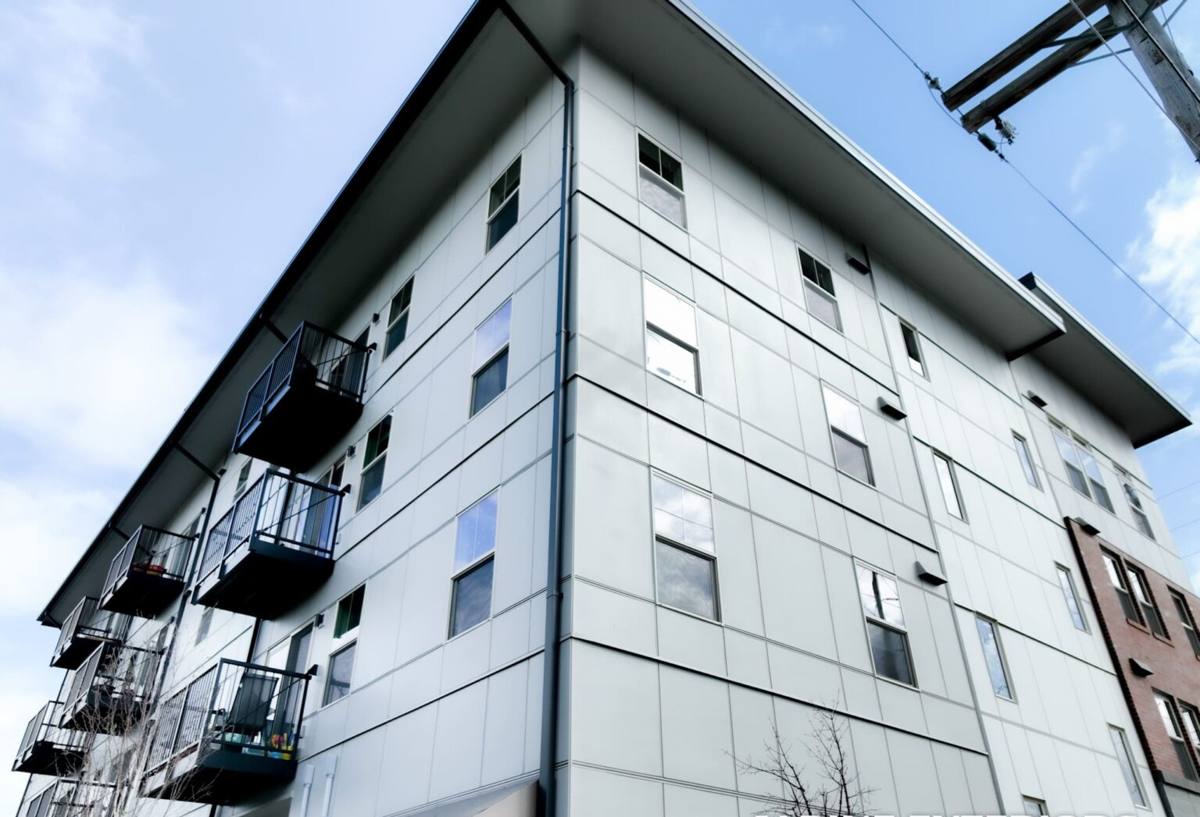
What Semiahmoo's Climate Actually Demands From a Window
A Long, Mild Heating Season
Western Whatcom County rarely sees extreme temperature swings, but it does see months of consistently cool, damp weather where heating systems run steadily rather than in short bursts. That changes the math on window efficiency: the savings from a tighter, better-insulated window come from consistency over a long season, not from surviving one or two brutal cold snaps. A window with a strong U-factor and minimal air leakage pays off here through steady, cumulative savings rather than dramatic peak-load performance.
Wind-Driven Rain and Seal Integrity
With open water nearby and little to break the wind, rain in this area gets pushed into window openings and frame joints with real force instead of just falling past them. That matters for energy efficiency as much as it matters for keeping water out, because a window that lets moisture work into its frame or weatherstripping over time will lose its airtight seal well before it reaches the end of its expected lifespan. A window's rated performance assumes an intact seal — once that seal is compromised, the efficiency number on the label stops meaning much.
Salt Air and Hardware Corrosion
Salt-laden marine air accelerates corrosion on hinges, locking hardware, and lower-grade metal components faster than it would a few miles inland. A window that can't lock down tight because its hardware has started to corrode or bind isn't sealing the way it was designed to, no matter how good the glass package is. This is a detail that gets overlooked in a lot of energy-efficiency conversations, which tend to focus entirely on glass and frame material and skip past hardware durability.
Moss, Shade, and Long-Term Moisture
Shaded, north-facing walls in this part of Whatcom County support moss and mildew growth for most of the year. On windows, that shows up as sustained moisture sitting against sills, weep holes, and lower frame corners — conditions that slowly degrade weatherstripping and, on wood-framed units, can lead to soft spots at the sill if the frame isn't well protected. None of that shows up on a window's initial performance rating, but it determines whether that rating still holds true five or ten years in.
The Numbers That Actually Matter
Every energy-efficient window sold in the U.S. carries an NFRC (National Fenestration Rating Council) label with a handful of numbers on it. Most homeowners have heard of these but aren't sure which ones matter for a specific climate. In Western Washington, three numbers are worth paying attention to:
- U-factor — measures how well the window resists heat loss. Lower is better. This is the number that matters most here, since Semiahmoo's heating season is long and consistent rather than extreme.
- SHGC (Solar Heat Gain Coefficient) — measures how much solar heat passes through the glass. In a climate with as much cloud cover as this one gets, a moderate SHGC is usually the right call — you don't want to block what sun does come through, but you also don't want unwanted heat gain on the few bright, sun-facing days.
- Air leakage (AL) — measures how much air passes through the window assembly itself. This number is easy to overlook, but on an exposed, wind-driven site it's one of the most practical indicators of how a window will actually perform, separate from the glass package.
Washington's State Energy Code sets minimum U-factor requirements for new and replacement windows, and any window package we install meets or exceeds current code. Beyond that minimum, the right combination of U-factor, SHGC, and air leakage depends on which direction a given wall faces and how exposed it is — a shaded, wind-facing wall and a sheltered, sun-facing wall on the same house don't always call for identical specs.
Glazing and Frame Options for This Climate
Double-pane, low-E, argon-filled glass is the standard baseline for energy-efficient replacement windows today, and it performs well in this climate when installed correctly. Triple-pane glass offers a meaningful step up in U-factor and sound dampening, at added weight and cost, and tends to make the most sense on wind-exposed elevations or for homeowners planning to stay in the home long enough for the extra investment to pay off in lower heating bills. Frame material matters just as much as the glass package, especially given the salt air and moisture this area sees.
| Frame Material | Thermal Performance | Behavior in Salt Air & Moisture | Typical Maintenance |
|---|---|---|---|
| Vinyl | Good; multi-chamber designs improve insulation further | Won't rot or corrode; performs well when installed correctly | Low |
| Fiberglass | Very good; dimensionally stable across temperature swings | Excellent resistance to moisture and corrosion | Low |
| Wood, clad exterior | Good; wood core insulates well | Clad exterior protects the wood, but any breach in the cladding exposes it to moisture | Moderate |
| Aluminum | Weakest without a thermal break; conducts cold readily | Prone to corrosion in salt-influenced air unless well-finished | Moderate to high |
For most Semiahmoo homes, we lead with vinyl or fiberglass frames on exposed, weather-facing elevations because they hold their seal and their finish with the least ongoing upkeep in this specific environment. Wood-clad frames can still make sense where the interior look matters and the cladding is fully intact, and we'll walk through that trade-off honestly rather than steering everyone toward the same answer.
What a Correct Energy-Efficient Installation Actually Involves
The Install Determines Whether the Rating Holds Up
A window's U-factor and air leakage numbers are tested under lab conditions with a correctly installed unit. A high-performance window installed with poor flashing or sloppy air sealing won't deliver the performance on its label — the gap between the frame and the rough opening becomes its own path for drafts and moisture, regardless of how good the glass package is. This is the single most common way energy-efficient window projects underdeliver on expected savings, and it has nothing to do with the product itself.
Flashing and Air Sealing
On a wind-driven-rain site like this, flashing at the sill, jambs, and head has to be sequenced correctly — sill first, then jambs, then head flashing lapped over the top — so water is directed out and away from the wall assembly rather than trapped behind the window. On the interior side, the gap between the frame and rough opening gets sealed and insulated without trapping moisture, which protects both the window's efficiency and the surrounding wall framing.
Protecting the Insulated Glass Unit
The sealed glass unit itself — the assembly that holds the argon or krypton gas fill between panes — is vulnerable to damage from rough handling or incorrect setting during installation. A compromised seal on the glass unit eventually shows up as fogging or moisture between the panes, and once that happens, the unit's efficiency and clarity are both gone for good. Careful handling and correct glazing technique during installation protect that seal for the long run.
Hardware and Finish
Locks, hinges, and operating hardware get specified with this area's salt exposure in mind, and trim and finish work are integrated to match the surrounding siding so the finished window looks intentional, not patched in.
Signs Your Current Windows Are Losing Efficiency
Windows don't announce that they've stopped performing — the signs are usually subtle and easy to write off as normal wear. A few worth paying attention to:
- A noticeable draft near the window frame, even with it fully closed and locked
- Condensation or fogging between the panes of glass, which means the seal on the insulated glass unit has failed
- Glass that feels cold to the touch well beyond the edge, suggesting the low-E coating or gas fill is underperforming
- Heating bills that have crept up without any other clear explanation
- Hardware that's stiff, corroded, or won't lock down fully snug
- Visible gaps, soft spots, or peeling caulk at the sill or frame edges
Our Process
- On-site assessment — we look at your current windows, note which elevations take the most wind and rain exposure, and check for existing moisture or hardware issues.
- Honest recommendation — a glazing and frame package matched to your budget, each elevation's exposure, and how long you plan to stay in the home, explained with the reasoning behind it.
- Written scope and U-factor specs — you'll know exactly what performance numbers you're getting and how they meet or exceed current Washington State Energy Code before any work starts.
- Removal and opening prep — old units come out carefully, and any hidden framing, sill, or flashing issues are addressed before a new window goes in.
- Installation and flashing — each opening gets sill pan flashing, correctly lapped jamb and head flashing, and interior air sealing built for this climate's exposure.
- Final walkthrough — we check operation, hardware, and visible seals with you before calling the job done.
Why a Crew That Already Works Semiahmoo Matters
Manufacturer installation guidance is written for average conditions, and Semiahmoo's exposure to salt air, open wind, and driving rain isn't average. A crew that's actually installed windows on this stretch of Whatcom County coastline knows which parts of that guidance are non-negotiable here — how much lap a flashing course needs on a wind-facing wall, which hardware grade actually holds up against salt exposure, when a sill needs extra attention because of shade and moss. Those aren't decisions that come up in a sales conversation, but they're exactly what determines whether a window keeps its rated efficiency for twenty years or starts drafting again in five.
That local experience also means realistic expectations from day one — an honest read on what your current windows are actually costing you in comfort and energy use, and a straight answer about which upgrades will make a real difference versus which ones are cosmetic.
Protecting Your Investment After Installation
- Clean tracks and weep holes periodically so water has a clear path to drain out
- Check and lubricate hardware occasionally, especially on wind- and rain-exposed elevations
- Keep an eye on caulk and sealant at the exterior trim, and address any cracking before it lets moisture in
- Watch shaded, north-facing units for early moss or mildew buildup and clean it before it spreads to the frame
- Ask about current utility rebate programs for high-efficiency window upgrades — availability changes, so it's worth checking at the time of your project
If your windows in Semiahmoo are drafty, fogged, or just costing more to heat around than they should, it's worth having someone take an honest look before you start pricing replacements. We offer free, no-pressure estimates for energy-efficient window projects in Semiahmoo and the surrounding area — use the form below to get a time on the schedule.