 Birch Bay Window
 Siding Replacement Built for Semiahmoo's Coastal Exposure
Homes in the Semiahmoo area of Birch Bay sit in one of the more demanding stretches of coastline in Whatcom County. Salt-laden air moves off the water and settles on exterior surfaces every day, driving rain comes in sideways during winter storms, and a long, damp moss season keeps north- and west-facing walls wet for months at a time. Siding here isn't just cosmetic — it's the first line of defense against moisture intrusion, and it takes a beating that inland homes never see.
When siding starts to fail in this environment, it usually isn't from one dramatic event. It's slow: caulk joints open up, paint stops sheeting water, moisture works behind panels, and by the time staining or soft spots show up on the surface, there's often already damage underneath. A proper siding replacement addresses the whole wall system, not just what's visible from the street.
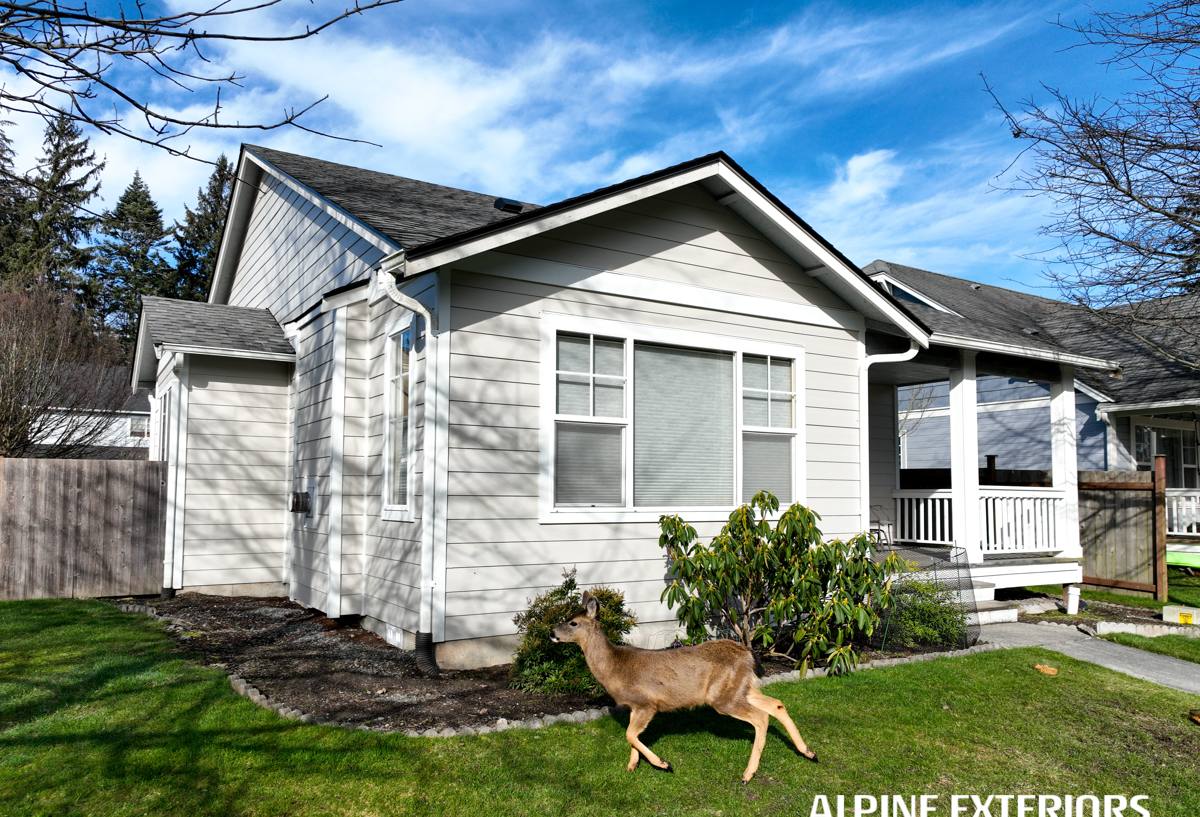
Why Salt Air and Moss Season Wear Siding Out Faster
Salt Air
Airborne salt is corrosive to fasteners, trim flashing, and any coating that isn't rated for marine exposure. On wood-based or engineered wood siding, salt residue combined with moisture accelerates paint failure and edge swelling. Metal fasteners that aren't corrosion-resistant can streak and weaken over time, which is one reason fastener selection matters as much as the siding panel itself.
Driving Rain
Wind-driven rain doesn't just run down a wall — it gets pushed sideways and upward into laps, seams, and penetrations. Siding systems near Birch Bay and Semiahmoo need correct overlap, sealed penetrations, and a properly installed water-resistive barrier behind the panels, because gravity alone isn't enough to keep water out in a storm coming off the water.
Moss and Prolonged Dampness
Shaded and north-facing walls in this area can stay damp for weeks at a stretch during the wet season. Moss and algae growth on siding surfaces isn't just an appearance issue — sustained moisture at the surface increases the chance of it finding a way behind the cladding through hairline gaps, nail holes, or failed caulk.
Signs a Semiahmoo Home Needs Siding Replacement, Not Just Repair
Not every siding problem calls for a full tear-off. But in a coastal, high-moisture environment, patch repairs can mask a bigger problem instead of solving it. Here's what tends to signal it's time for full replacement rather than a spot fix:
- Soft, spongy, or crumbling spots when pressed, especially near the bottom courses or around windows
- Persistent staining or dark streaking that reappears shortly after cleaning
- Paint that's bubbling, peeling, or failing across multiple wall sections rather than one isolated area
- Visible warping, cupping, or buckling panels
- Moss or algae that returns quickly after washing, particularly on shaded walls
- Interior signs — musty smell, soft drywall, or peeling interior paint on exterior walls
- Siding that's original to a home built more than 20-25 years ago, especially if it's wood-based
If you're seeing more than one or two of these, it's worth having the wall assessed rather than just addressing the surface symptom.
What a Correct Siding Replacement Job Actually Involves
A siding replacement done right is a wall-system job, not a panel swap. Skipping any of the steps below is exactly how a home ends up with the same moisture problems five years later, just hidden behind new material.
- Full tear-off of the old siding down to the sheathing, so the wall can actually be inspected
- Sheathing inspection and repair — any soft or rotted sheathing gets replaced before anything new goes up
- Correct water-resistive barrier installed and lapped properly, shingle-style, so water sheds down and out
- Flashing at every penetration — windows, doors, hose bibs, light fixtures, and vents all need proper flashing, not just caulk
- Rainscreen or drainage gap where appropriate, giving incidental moisture a path to drain and dry instead of sitting against the panel
- Correct fastening using corrosion-resistant fasteners suited to coastal exposure
- Factory-finished panels installed to the manufacturer's clearances at grade, decks, and roof lines
Each of these steps matters more in Semiahmoo's climate than it would in a drier, inland location, because there's simply less margin for error when a wall is wet more often than it's dry.
Why We Install Only James Hardie Fiber Cement
We standardized on James Hardie fiber cement siding for every job we take on, including siding replacement in Semiahmoo, because it's the product that holds up best against exactly the conditions this area throws at a home. Fiber cement doesn't absorb water the way wood-based products can, it doesn't swell or rot, and it's non-combustible. Hardie's ColorPlus factory finish is baked on under controlled conditions, which gives it better adhesion and fade resistance than field-applied paint — a real advantage on salt-exposed walls where paint failure is the first sign of trouble on other products.
Hardie also builds region-specific product lines engineered for different climate zones. For a coastal, high-moisture area like Semiahmoo, that engineering is a practical advantage, not a marketing detail — the product is built with the same salt air and rain exposure in mind that this stretch of Whatcom County actually sees.
We don't install vinyl, LP SmartSide, or other engineered wood products, and we don't do primed wood or cedar siding. That's a deliberate standard, not a lack of options — we'd rather put one product on a home and stand behind it fully than offer a menu of materials with different failure points and warranty terms.
Our Process, Start to Finish
Every siding replacement follows the same sequence, whether it's a small rambler or a larger waterfront-adjacent home:
- On-site assessment — we walk the exterior, check problem areas, and look at trim, flashing, and drainage as a whole system
- Written estimate — scope, product line, color, and a clear breakdown of what's included
- Tear-off and sheathing inspection — any rot or damage found gets documented and addressed before moving forward
- Weather barrier and flashing installation — the part of the job that determines whether the wall stays dry for the next 30+ years
- Hardie panel installation — installed to manufacturer specifications for fastening, clearances, and joint treatment
- Final walkthrough — we review the finished work with you before calling the job done
We don't rush the parts of the job that aren't visible once it's finished, because those are the parts that actually determine how the siding performs through the next wet season.
Cost Factors for Siding Replacement in the Semiahmoo Area
Every home is different, and we don't quote a number without seeing the house, but these are the main factors that move a project's scope and cost:
| Factor | Why It Matters |
|---|---|
| Extent of existing damage | Rotted sheathing or framing found during tear-off adds repair scope beyond the siding itself |
| Home size and wall complexity | More corners, dormers, and trim details mean more labor and material cuts |
| Siding profile chosen | Lap siding, shingle-style panels, and board-and-batten each have different material and install costs |
| Trim and accessory scope | Replacing trim, fascia, and soffits alongside siding affects overall project cost |
| Access and site conditions | Waterfront-adjacent lots, tight setbacks, or difficult staging can affect labor time |
| Existing moisture damage | Homes with long-standing hidden leaks may need more extensive drying and repair before new siding goes on |
We walk through these factors during the estimate so you understand what's driving the number, not just what the final total is.
Why a Crew That Already Works Semiahmoo Matters
A siding crew that regularly works homes in and around Birch Bay and Semiahmoo already understands what this specific stretch of coastline does to a house. That's not something you get from a contractor who mostly works inland and treats every job the same regardless of exposure. We know to pay extra attention to fastener corrosion resistance, to flashing details at every penetration, and to drainage behind the panel — because we've seen what happens when those details get skipped on a home exposed to this much salt air and driving rain.
Local familiarity also means fewer surprises with permitting, site access on narrower coastal lots, and scheduling around Whatcom County's wet season so tear-off and dry-in happen efficiently rather than leaving a wall exposed longer than it needs to be.
Keeping Your New Siding Performing After Installation
Fiber cement siding is low-maintenance compared to wood-based products, but "low-maintenance" doesn't mean "no maintenance" in a coastal climate. A few habits keep a Semiahmoo home's siding performing well for the long run:
- Rinse salt residue off exterior walls periodically, especially on sides facing open water
- Keep gutters clear so roof runoff isn't dumping extra water onto wall sections
- Trim back vegetation that shades walls and keeps them damp longer than necessary
- Check caulking at trim and penetrations every year or two, and touch up as needed
- Address any moss regrowth promptly rather than letting it establish on the surface
If you're seeing early signs of wear, dealing with an aging wood-based product, or just want an honest read on where your siding stands, we're happy to take a look. We offer free, no-pressure estimates for siding replacement in Semiahmoo and throughout Birch Bay — there's no obligation, just a straight answer about what your home actually needs.