 Birch Bay Window
 Siding Replacement Built for the California Creek Microclimate
Homes along California Creek sit in a stretch of Whatcom County that takes weather seriously. You're close enough to the water for salt-laden air to settle on exterior surfaces, low enough in the creek corridor for moisture and shade to linger longer than they do on open, sun-exposed lots, and far enough into the Pacific Northwest storm track to see driving, wind-pushed rain several months of the year. None of that is unique to one street or one house — it's the baseline for siding anywhere in this part of Birch Bay. What matters is whether the siding on your home, and the way it was installed, was actually built to handle it.
This page focuses on one job in one area: siding replacement for California Creek homes. Not a general overview of siding, and not a sales pitch for the whole region — just what local homes in this specific microclimate actually need, what a correctly done replacement involves, and why the crew doing the work matters as much as the material.
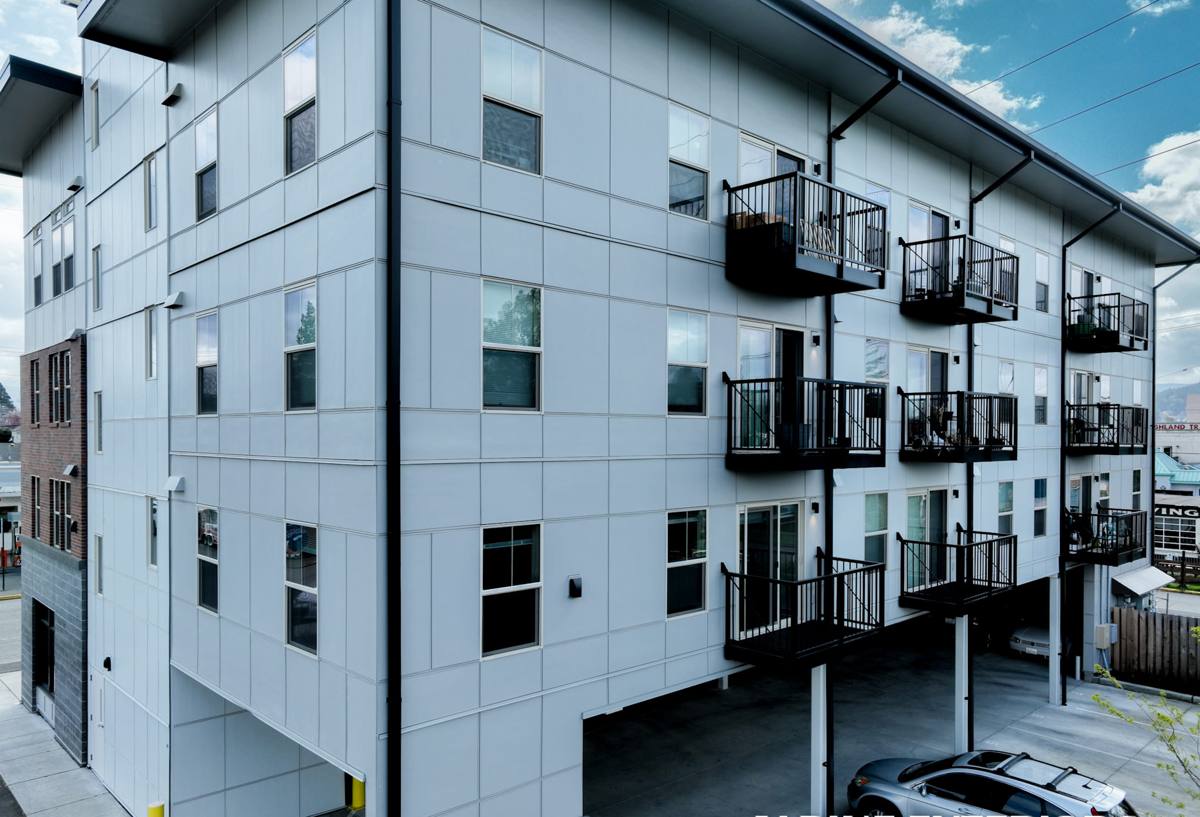
Why This Climate Is Hard on Siding
Three conditions do most of the damage to exterior siding near California Creek, and they compound each other:
Salt Air
Proximity to the water means airborne salt settles on siding, trim, and fasteners year-round. Over time it accelerates corrosion on metal components and degrades paint films and coatings that weren't engineered to resist it. Fiber cement handles this far better than wood-based products because it isn't feeding a corrosion or rot process the way untreated fasteners or bare wood substrate can.
Driving Rain
Whatcom County storms don't always fall straight down — wind pushes rain sideways into wall assemblies, siding laps, and trim joints. If flashing, house wrap, and lap spacing aren't done correctly, water finds its way behind the siding instead of shedding off the surface. That's when you get hidden sheathing damage long before anything looks wrong from the driveway.
Moss Season
Shaded, low-lying areas near the creek stay damp longer after storms than open lots do, and shade plus moisture is exactly what moss and mildew need to establish on siding surfaces, especially on north-facing walls and anywhere tree cover blocks sun and airflow. Prolonged moisture contact is the number one cause of premature siding failure, more than any single storm event.
What a Correct Siding Replacement Actually Involves
Siding replacement isn't just removing old panels and nailing up new ones. Done right, it's an opportunity to fix the parts of the wall assembly you can't see once the siding goes back on:
- Full tear-off of the existing siding, not overlay installation on top of failing material
- Inspection of the sheathing underneath for soft spots, rot, or prior water damage
- Repair or replacement of any compromised sheathing before new siding goes up
- Installation of a proper weather-resistive barrier (house wrap) with correctly lapped seams
- Flashing at every window, door, and penetration — not caulk used as a substitute for flashing
- Correct fastener type, spacing, and penetration depth for the specific siding product
- Proper lap spacing and clearance from grade, decks, and roof lines to keep water moving away from the wall
Skip any of these steps and it doesn't matter how good the siding product is — the wall behind it is still vulnerable, and problems just take longer to surface.
Why We Only Install James Hardie
We install James Hardie fiber cement siding exclusively. We don't install vinyl, LP SmartSide, cedar, primed spruce, or other fiber cement brands, and in a climate like this one, that standard isn't arbitrary.
Non-Combustible, Moisture-Resistant Core
Fiber cement doesn't feed rot the way wood-based siding can when moisture gets past the surface. In a corridor where shade and dampness linger, that difference matters more than it would on a dry, open lot.
Climate-Engineered Product Lines
James Hardie's HZ product lines are engineered for specific climate zones, including the wet, moderate Pacific Northwest. That means the product itself, not just the coating, is matched to the moisture exposure homes here actually see.
ColorPlus Factory Finish
ColorPlus finish is baked on at the factory under controlled conditions, which gives it better resistance to fading, chipping, and the kind of coating breakdown that salt air and UV exposure accelerate on field-applied paint. It also comes with a longer finish warranty than most site-painted siding can offer.
A Warranty That Reflects Confidence in the Product
James Hardie backs its siding with a strong transferable warranty, which matters both for your ownership of the home and for resale. That kind of warranty structure only makes sense when a manufacturer has real confidence in how the product performs over decades, not just years.
Signs a California Creek Home Needs Siding Replacement
Not every siding issue means a full replacement, but these are the signs worth taking seriously in this area, especially on shaded or water-facing walls:
- Visible cracking, buckling, or warping in siding panels or boards
- Soft spots when you press on the siding, especially near the bottom courses
- Persistent moss, algae, or dark staining that returns shortly after cleaning
- Paint that's peeling, bubbling, or chalking faster than it should for its age
- Gaps opening up at trim, corners, or window and door casings
- A noticeable rise in heating costs, which can point to a compromised wall assembly behind the siding
- Visible corrosion on fasteners or metal trim pieces
If you're seeing more than one of these, it's worth having the wall assembly looked at, not just the surface.
Our Process, Start to Finish
- On-site inspection of existing siding, trim, and visible wall condition
- Written estimate that accounts for tear-off, expected sheathing condition, and product selection
- Full removal of old siding and inspection of sheathing and framing underneath
- Repair of any damaged sheathing or framing found during tear-off, discussed with you before proceeding
- Installation of house wrap, flashing, and James Hardie siding to manufacturer specifications
- Final walkthrough so you can see the completed work and ask questions before we consider the job done
We don't quote a price before seeing the wall condition in person, because tear-off often reveals things a drive-by estimate can't account for. What we do commit to is telling you what we find, honestly, before we move forward with any repair beyond the original scope.
What Affects the Cost of a Siding Replacement
| Factor | Why It Matters | Typical Impact |
|---|---|---|
| Sheathing condition | Hidden rot or water damage found during tear-off requires repair before new siding goes up | Can add meaningfully to scope; varies by extent of damage |
| Home size and wall complexity | More square footage, corners, and trim detail means more material and labor | Larger, more complex homes cost more overall |
| Existing siding type | Some materials are more labor-intensive to remove and dispose of than others | Affects tear-off time and disposal cost |
| Accessibility | Tree cover, tight lot lines, and multi-story walls near the creek can slow staging and installation | Can affect labor time on wooded or tight lots |
| Product selection | James Hardie panel, lap, and shingle styles vary in material cost | Style choice affects overall material budget |
We're not going to quote a number range here that means nothing without seeing your home — but we will walk you through exactly what's driving your specific estimate line by line.
Why the Crew Matters as Much as the Product
Even the best siding product fails early if it's installed wrong. In a climate with this much driving rain and sustained shade, small installation mistakes — a missed flashing detail, incorrect lap spacing, fasteners driven too deep — turn into moisture problems years faster than they would in a drier climate. A crew that regularly works homes in and around California Creek already understands the wind exposure, the shade patterns, and the moisture behavior specific to this stretch of Birch Bay. That's not something you can fully substitute with a generic install checklist. It shows up in the details: how flashing is lapped at a window that takes wind-driven rain from a specific direction, or how much clearance is left at grade on a lot where water doesn't drain as fast as it would somewhere more open.
Maintenance After Installation
James Hardie siding is low-maintenance, not no-maintenance. In this microclimate, a few habits go a long way:
- Rinse siding periodically to keep salt residue and organic buildup from accumulating, especially on shaded walls
- Keep gutters clear so water isn't overflowing directly onto siding below
- Trim back vegetation that's shading walls and keeping them damp longer than necessary
- Address any caulking gaps at trim or penetrations promptly, before water has a chance to get behind the siding
None of this is heavy upkeep — it's the kind of routine attention that keeps correctly installed siding performing for its full expected lifespan instead of showing early wear.
If you're seeing early signs of siding wear on a California Creek home, or you're planning ahead for a replacement, we're happy to take a look and give you a straightforward, no-pressure estimate. Fill out the form below and we'll get in touch to schedule a time.