 Birch Bay Window
 Storm Damage Roof Repair Built for Point Roberts Conditions
Point Roberts sits out on its own point of land, surrounded by water on three sides and exposed to weather that doesn't get softened by much in the way of tree cover or terrain. When a storm rolls through, roofs here take it head-on. If you've had a wind event, a heavy rain system, or just a long wet winter leave you with stains, missing shingles, or a leak you can't quite locate, you need someone who understands what that kind of exposure does to a roof over time — not just someone who can patch a hole and move on.
We repair storm-damaged roofs for homeowners in Point Roberts and the surrounding Whatcom County area, and we treat every repair as a chance to check the rest of the roof for the slower damage that saltwater exposure and moss growth cause even when there's no obvious storm event to blame.
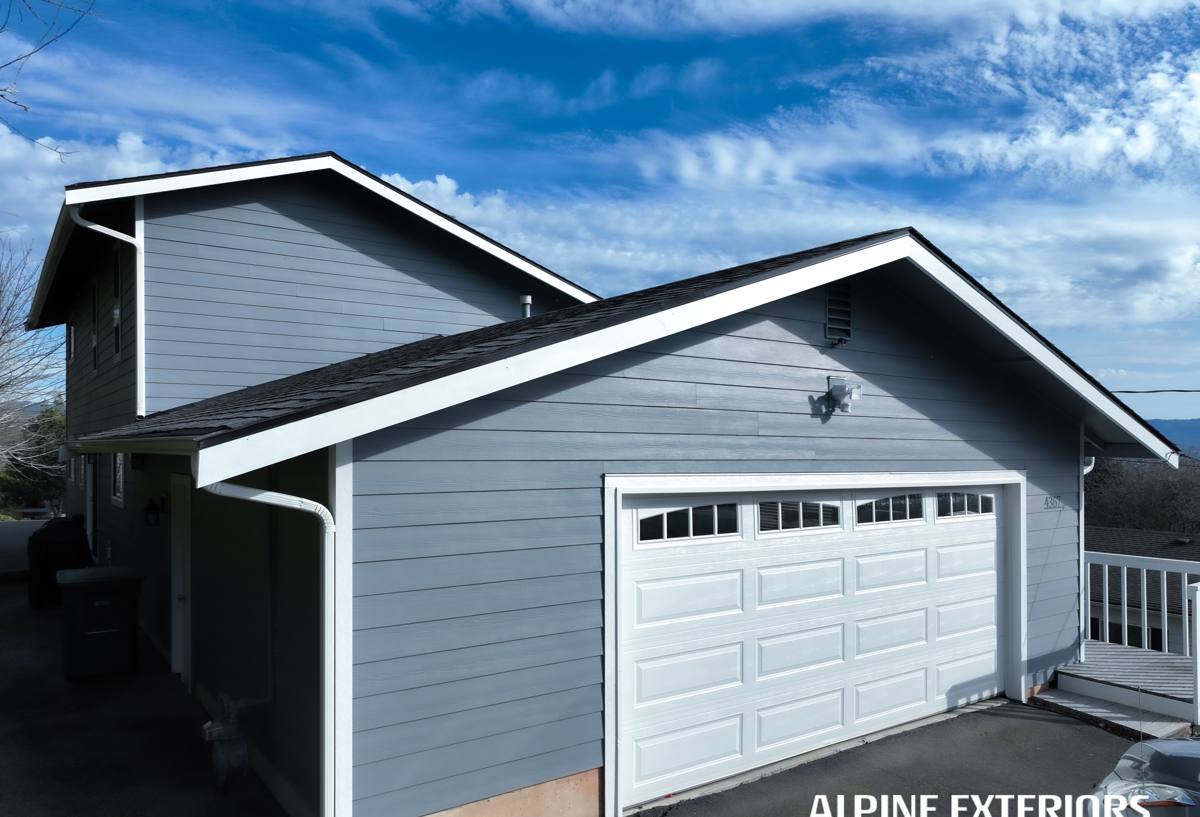
What Whatcom County Storms Do to a Point Roberts Roof
Three things define roofing conditions out here, and they compound each other.
Salt Air
Being surrounded by marine water means metal roofing components — flashing, fasteners, vent caps, gutter hardware — are exposed to salt-laden air almost constantly. Lower-grade or poorly coated metal corrodes faster here than it would even a few miles inland. Corroded flashing is one of the most common root causes of a "mystery leak" we find on service calls.
Driving Rain and Wind
Storms coming off the water tend to bring rain sideways, not straight down. That matters because a roof can be watertight against vertical rain and still leak badly under wind-driven rain, since water gets pushed up and under shingle edges, around penetrations, and into any gap that a calmer storm would never find. Wind uplift on exposed roof planes can also loosen or tear shingles even when the roof looked fine the week before.
A Long Moss Season
Cool, damp conditions for much of the year mean moss and algae get a long runway to establish themselves, especially on north-facing slopes and anywhere debris collects. Moss holds moisture against the roofing material, works its way under shingle tabs, and quietly lifts and rots material long before it's visible from the ground. A storm often just finishes off a section of roof that moss had already been weakening for a year or more.
Common Types of Storm Damage We Find Here
Wind and Shingle Damage
Lifted, cracked, creased, or missing shingles are the most visible storm damage, usually concentrated on roof edges, ridges, and any plane that faces open water or a clear wind path. Even shingles that blow back down after a storm can lose their seal and need to be reset or replaced — leaving them alone invites a leak the next time wind picks up.
Flashing and Penetration Failures
Flashing around chimneys, skylights, vent pipes, and roof-to-wall junctions is the part of a roof most likely to fail first in a coastal storm. It's a smaller repair than a full shingle replacement, but it's also the piece most often rushed or done wrong, which is why we treat flashing work as a precision job, not an afterthought.
Moss, Moisture, and Slow Rot
Storm damage and moss damage often show up together, because moss-softened decking gives wind and rain an easier place to do damage. When we open up a storm-damaged section, we're checking the decking underneath for soft spots or rot, not just replacing what's visible on the surface.
What a Correct Storm Repair Actually Involves
A repair that only addresses the spot where water is currently coming through is a repair that's likely to fail again. Doing it right means:
- Inspecting the full roof plane around the damage, not just the exact leak point, since wind and moisture damage rarely stay confined to one shingle
- Checking the decking underneath for soft or delaminated wood before any new material goes down
- Replacing underlayment in the repaired section so it matches the water-shedding performance of the surrounding roof
- Rebuilding flashing details correctly — proper laps, corrosion-resistant material, and sealant used as a backup, not a substitute for good metalwork
- Matching shingle type, color, and exposure as closely as possible so the repair doesn't stand out or create a new weak seam
- Clearing moss and debris from the surrounding area so the repaired section isn't immediately compromised again
Skipping any of these steps is how a $400 fix turns into a $4,000 fix eighteen months later.
Our Point Roberts Repair Process
- Inspection and documentation. We assess the damage from the roof surface and, where needed, from the attic side to check for water tracking or decking issues that aren't visible from outside.
- Honest scope and estimate. You get a clear explanation of what's damaged, what caused it, and what it will take to fix it correctly — including whether a full section replacement makes more sense than a patch.
- Repair. We match materials to what's already on your roof where possible, and use corrosion-resistant flashing and fasteners suited to a marine-air environment regardless of what was originally installed.
- Final check. We walk the repair and the surrounding roof area before we call the job done, so you're not left wondering if the next storm will bring the same problem back.
Repair or Replace? What Actually Drives That Decision
Not every storm-damaged roof needs a full replacement, and not every roof is worth repairing indefinitely. The honest answer depends on a few factors:
| Factor | Leans Toward Repair | Leans Toward Replacement |
|---|---|---|
| Age of roof | Under 12–15 years, otherwise in good shape | Nearing or past its expected service life |
| Extent of damage | Isolated to one or two areas | Spread across multiple roof planes |
| Decking condition | Solid, dry decking under the damaged area | Soft, rotted, or repeatedly wet decking |
| Moss/algae history | Minimal or well-maintained | Heavy, long-term growth across the roof |
| Prior repair history | First or second repair on this roof | Recurring repairs in the same area |
We'll tell you plainly if repair is the smarter money, and we'll tell you just as plainly if it's a temporary fix on a roof that's telling you it's done.
Why Working With a Crew That Already Serves Point Roberts Matters
Point Roberts is a unique place to schedule work: it's a small peninsula community, and getting crews, materials, and equipment there efficiently takes planning that a contractor unfamiliar with the area often gets wrong — leading to delayed appointments or rushed jobs to make up for lost time. Working with a crew that already routes Whatcom County jobs through Point Roberts regularly means your repair gets scheduled realistically the first time, materials arrive when they're supposed to, and the crew isn't learning the local climate quirks on your roof.
It also means we've seen how roofs in this specific area actually fail over time — which flashing details hold up to the salt air and which don't, which roof orientations take the worst of the wind-driven rain, and which moss patterns tend to hide deeper decking problems. That local pattern recognition is what separates a repair that lasts from one that's just cosmetic.
Documenting Storm Damage for Insurance
If you're filing an insurance claim for storm damage, documentation matters as much as the repair itself. We provide a clear written assessment of the damage, likely cause, and scope of repair, which gives you something concrete to work with when talking to your insurer. We're not a public adjuster and won't promise a claim outcome, but we won't leave you guessing about what's actually wrong with your roof either.
Signs Your Roof Needs a Storm Damage Inspection
- Missing, cracked, or curling shingles after a windstorm
- Granules collecting in gutters or at downspout outlets
- Water stains on ceilings or attic framing following heavy rain
- Visible daylight through the roof deck from inside the attic
- Flashing that looks lifted, rusted, or separated from the roof surface
- Heavy moss growth combined with any soft spots when walked on carefully
- A roof that's leaked more than once in the same general area
If any of these sound familiar, it's worth having someone look before the next storm turns a small problem into a bigger one.
If your roof took a hit in the last storm — or you're just not sure how it's holding up after a long wet stretch — we're happy to take a look. Fill out the form below for a free, no-pressure estimate on your storm damage roof repair.