 Birch Bay Window
 Why Sumas Siding Has to Work Harder Than the Brochure Photos Suggest
Sumas sits at the edge of Whatcom County's wet, marine-influenced climate, and that climate is not gentle on the outside of a house. Winters bring long stretches of driving, wind-pushed rain rather than the polite straight-down rain shown in product photos. Add in the salt-tinged air that moves through the broader Whatcom County coastline and inland valleys, plus a moss and algae season that can run from late fall through spring, and you have an environment that tests siding in ways a dry-climate product was never built to handle. Wood-based products swell, wick moisture at seams, and give moss a foothold in shaded, north-facing sections of a wall. Vinyl can look fine for years and then show its age all at once through fading, warping, or cracking at fastener points once enough freeze-thaw cycles work on it.
None of this means Sumas homes need exotic materials. It means they need siding installed correctly, with the right water management details, on a product engineered for exactly this kind of weather. That is the whole conversation on this page: what fiber cement siding needs to do here, what a correct installation actually involves, and why the crew doing the work matters as much as the product itself.
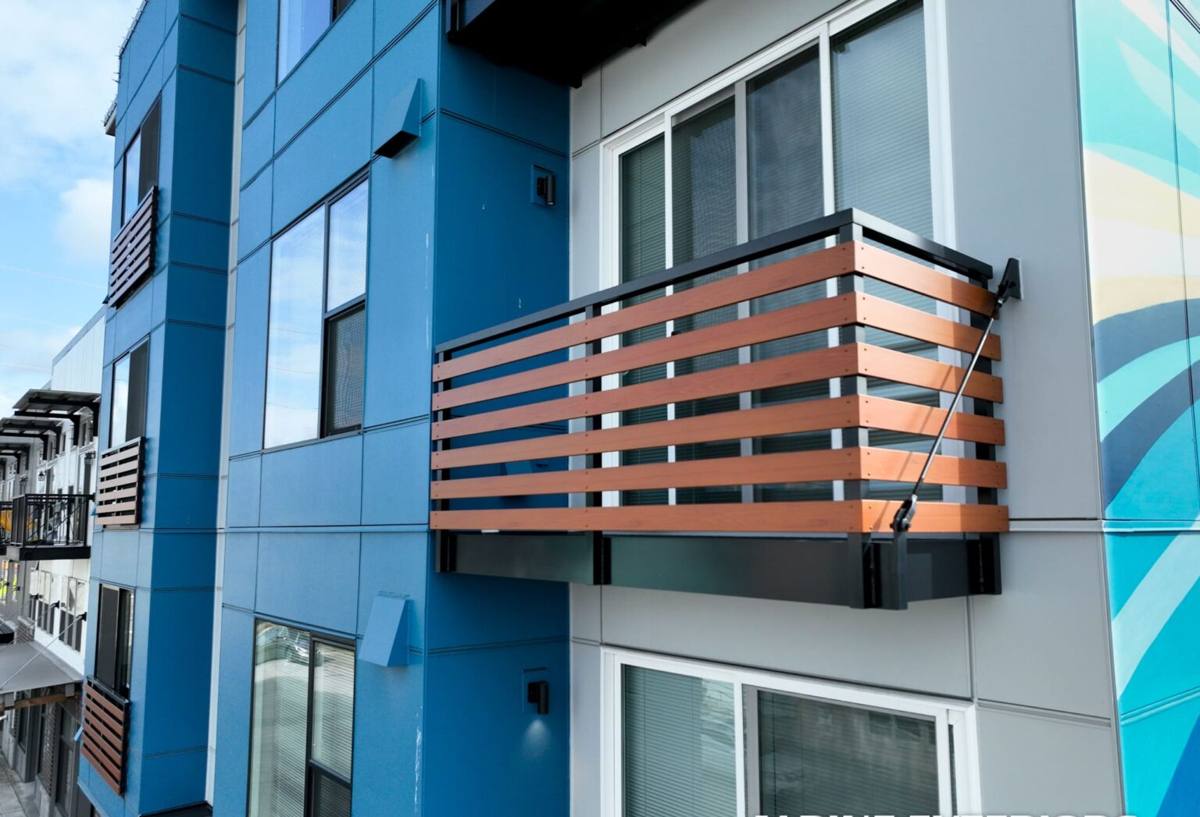
What Driving Rain and Moss Season Actually Do to a Wall
Moisture Doesn't Attack the Siding First — It Attacks the Seams
Most siding failures homeowners notice years later didn't start with the siding panel itself. They started at a seam, a butt joint, a window trim intersection, or a fastener hole where water found a way behind the material and stayed there. In a climate with sustained wind-driven rain, water pressure against a wall is real — it doesn't just run down the face of the siding, it gets pushed sideways and upward into gaps that would stay dry in a milder climate. That's why flashing details and joint treatment matter more here than in drier parts of the country.
Moss and Algae Are a Symptom, Not the Root Problem
Green or black staining on siding, especially on shaded or north-facing walls, usually means moisture is sitting on the surface longer than it should. Long moss seasons in this region mean any siding product that holds surface moisture — through a rough or absorbent finish — will show it. A dense, factory-finished fiber cement surface sheds water faster and gives moss less to hold onto, but the underlying installation still needs proper clearances and drainage so water isn't lingering at the bottom courses in the first place.
What Correct Fiber Cement Installation Involves
Fiber cement siding is only as good as the details behind it. A rushed or generic install can leave a good product performing like a bad one. On Sumas homes, we pay particular attention to:
- Weather-resistive barrier and flashing sequencing — every layer has to shed water downward and outward, lapped correctly so nothing drains behind the one below it.
- Proper fastening — correct nail or screw type, spacing, and penetration depth per the manufacturer's installation guidelines, not "close enough."
- Clearances at grade, decks, and roof lines — fiber cement needs a minimum gap from soil, concrete, and roofing to avoid wicking moisture, a detail that gets skipped more often than homeowners realize.
- Caulked and sealed joints at trim, windows, and corners — done with products rated for the exposure, not whatever was left on the truck.
- Field-cut edges primed or sealed — factory finishes protect the face of the board, but a cut edge left bare is a moisture entry point.
Every one of those steps is invisible once the job is finished and the paint looks good. That's exactly why they matter — a poor install and a good install can look identical on day one and completely different by year eight.
Why We Install Only James Hardie Fiber Cement
We don't install LP SmartSide, vinyl, Cemplank, Allura, or primed wood species like spruce or cedar. That's a deliberate standard, not a lack of options. Each of those products has legitimate strengths — vinyl is inexpensive and low-maintenance in mild climates, engineered wood products offer a warmer look at a lower cost, cedar has genuine curb appeal. But in a climate defined by sustained moisture exposure, moss pressure, and wind-driven rain, we've found the trade-offs on those products — moisture sensitivity at cut edges, coating longevity, or long-term maintenance demands — aren't worth putting on a home we're standing behind.
James Hardie fiber cement is non-combustible, dimensionally stable in wet-dry cycling, and available in HZ product lines engineered specifically for climate zones like ours. The ColorPlus factory finish is baked on under controlled conditions, which gives it more consistent, longer-lasting protection than field-applied paint, and it comes with a transferable warranty that matters if the home changes hands. We install it because when it's done right, it holds up to exactly the conditions Sumas throws at a house — and because a single-product standard means our crew is deeply practiced at one installation system rather than spread thin across five.
How the Common Siding Choices Compare
| Material | Moisture Behavior in Wet Climates | Maintenance Demand | Our Position |
|---|---|---|---|
| James Hardie Fiber Cement | Dimensionally stable, factory-sealed finish resists moisture uptake | Low — occasional wash, no repainting on ColorPlus finishes | What we install |
| Vinyl Siding | Doesn't absorb moisture, but can warp or crack under freeze-thaw and UV stress over time | Low, but limited repair options when damaged | Not installed |
| LP SmartSide / Engineered Wood | Treated to resist moisture, but cut edges and seams are sensitive if not maintained | Moderate — edge sealing and caulk upkeep matter | Not installed |
| Cedar / Primed Spruce | Natural material, absorbs and releases moisture; prone to moss and rot without upkeep | High — refinishing and moisture management ongoing | Not installed |
Our Process on a Sumas Job
The process is straightforward, but each step is where the quality actually gets decided.
- On-site assessment. We look at existing siding condition, moisture damage, trim and window flashing, and any problem areas — shaded walls, low-clearance sections near grade, deck-to-wall transitions.
- Product and color selection. We walk through the relevant Hardie HZ line and ColorPlus options for the home's exposure and style.
- Tear-off and substrate check. Once old siding is off, we check the sheathing underneath for hidden moisture damage before anything new goes up — this is often where problems from a prior poor installation surface.
- Weather barrier and flashing installation. This is the step that determines how the wall performs in ten years, and it happens before a single piece of visible siding goes up.
- Siding installation to manufacturer spec. Correct fastening, clearances, and joint treatment throughout.
- Final trim, caulking, and walkthrough. We go over the finished work with the homeowner before calling the job done.
Why Hiring a Crew That Already Works This Area Matters
Siding installation guidelines are national, but the conditions they get tested against are local. A crew that regularly works Whatcom County homes already knows which wall orientations tend to hold moisture through a Sumas winter, where moss pressure shows up first, and how much clearance actually matters at grade and deck lines in this climate — not just what the manual says in the abstract. That local repetition is what turns "installed to spec" into "installed to hold up here."
It also means a faster, more accurate estimate. We're not guessing at how the regional climate will treat a given install; we're applying what we already see on homes near yours.
What to Ask Before Hiring Anyone for a Siding Job
- Do you install to the manufacturer's written installation guidelines, and can you explain your flashing sequence?
- What clearance do you maintain from grade, decks, and roofing?
- Is your warranty from the manufacturer, the installer, or both — and is it transferable?
- Have you worked on homes in this specific area, and do you know what conditions to expect here?
- Will cut edges and field joints be sealed, and with what product?
Maintenance and What to Expect Over Time
Correctly installed James Hardie siding is low-maintenance, not zero-maintenance. Homeowners should expect to occasionally rinse the exterior to keep surface debris and early moss growth from taking hold, especially on shaded sides of the house, and to have caulked joints checked periodically as part of normal home upkeep. What they should not expect, if the install was done right, is repainting, edge rot, or warping — those are the failure points other products are more prone to in this climate, and they're exactly what a correct fiber cement installation is designed to avoid.
If you're weighing a siding replacement or repair in Sumas, we're glad to take a look and give you a straight, no-pressure assessment of what your home actually needs — no upsell, no guesswork. Use the form below to request a free estimate.