 Birch Bay Window
 Window Replacement on the Semiahmoo Spit
Semiahmoo sits out on a narrow spit between Semiahmoo Bay and Drayton Harbor, part of the same exposed stretch of Whatcom County coastline we work along out of Birch Bay. It's about as demanding a setting as windows in this region ever face — water on more than one side, open wind with little to slow it down, and a marine climate that stays wet and salty for long stretches of the year. Windows take more of that punishment than almost any other part of a house, because a window opening is where the exterior wall has the most seams, the most moving hardware, and the most places for water to find its way in if the installation wasn't done right the first time.
We're a windows contractor, not a general exteriors company that treats window replacement as one line item among many. That focus matters on a property like this, where the flashing detail around a window opening has to hold up to conditions most manufacturer installation guides simply weren't written for. We size the job to the opening, the exposure, and the specific weather this stretch of Semiahmoo takes on, rather than running a standard installation and hoping it holds.
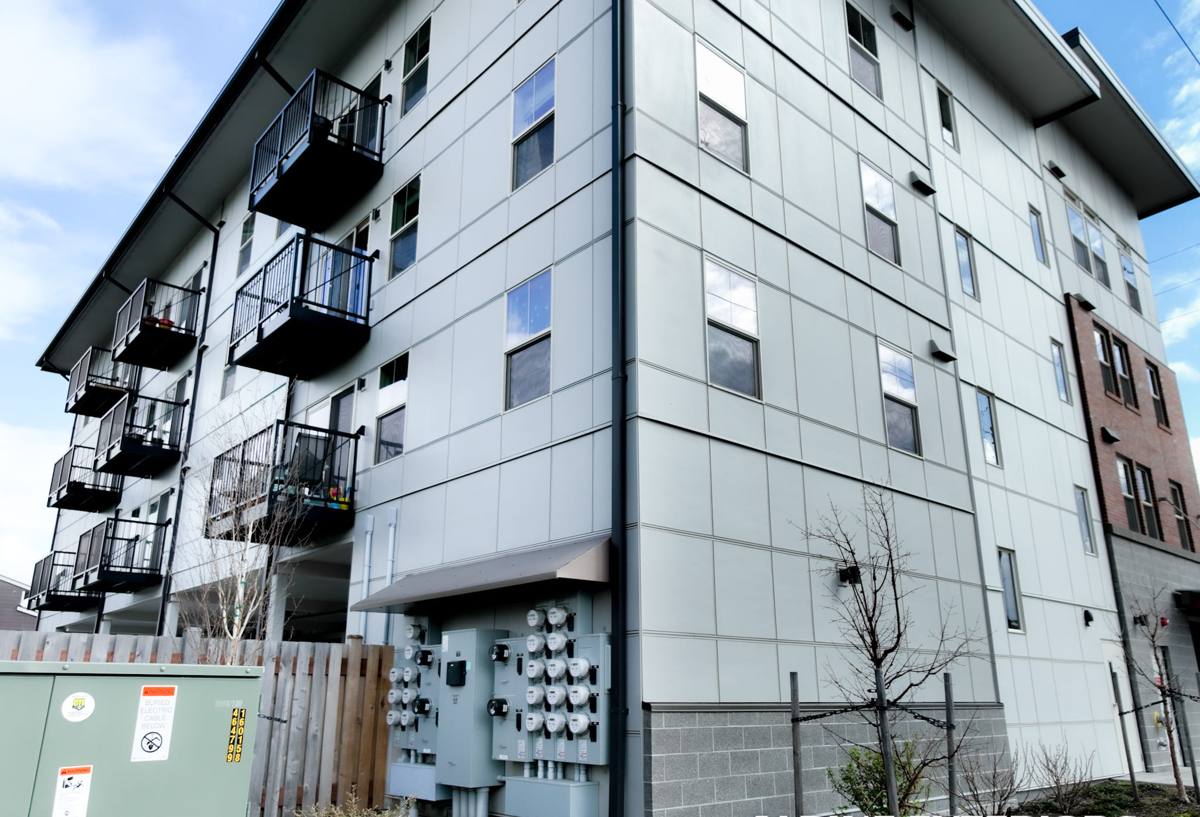
What Salt Air, Driving Rain, and Moss Do to Windows Here
Salt Air and Hardware Corrosion
Because Semiahmoo has water on more than one side, homes here take on salt-laden air from multiple directions instead of one prevailing exposure. That accelerates corrosion in window hardware, fasteners, and lower-grade frame components faster than a drier, more sheltered lot inland would ever see. Locks, cranks, and hinges on lower-grade windows often start sticking or pitting years before the glass itself shows any wear.
Driving Rain That Doesn't Fall Straight Down
With almost nothing to break the wind on the spit, rain gets pushed sideways into wall assemblies and window openings rather than falling straight down the way it might in a calmer setting. That means flashing and seals get tested at angles and pressures that a typical inland installation is never asked to handle. A window that would perform fine a few miles inland can still leak on a Semiahmoo property if the flashing wasn't detailed for that sideways force specifically.
A Long Moss and Mildew Season
Mild temperatures and near-constant humidity give moss and mildew a growing season that runs most of the year across this part of Whatcom County, and it doesn't spare window sills, trim, or the framing tucked underneath. Shaded, north-facing openings and windows under low eaves tend to show it first, especially where water sits on a sill instead of draining away.
Signs a Semiahmoo Home Needs Window Replacement
- Fogging or visible moisture trapped between panes on a double-pane window
- Drafts or cold spots near the frame even with the window fully closed and locked
- Sills or trim that feel soft, look discolored, or show visible rot
- Windows that stick, won't stay open, or are hard to lock the way they used to
- Visible daylight or gaps where the frame meets the siding
- Paint or finish peeling faster on window trim than on the rest of the exterior
- Persistent moss or dark staining on sills or the trim below a window
Repair or Replace? How We Make the Call
Not every window on a Semiahmoo property needs to come out. A window with a failed seal but a sound frame and working hardware is often a fair repair or reglaze candidate. A window with rotted framing, corroded hardware that's been failing for years, or a warped sash usually isn't — at that point the labor spent patching it keeps adding up until a proper replacement would have cost less overall.
| Condition | Repair Often Makes Sense | Replacement Usually Makes Sense |
|---|---|---|
| Fogged glass, sound frame | Yes — reglaze or seal replacement | Only if the frame is also compromised |
| Stiff or corroded hardware | Yes — hardware replacement | Not on its own |
| Soft or rotted sill and framing | Rarely a lasting fix | Yes |
| Persistent drafts despite sealing | Sometimes, if flashing is the real cause | Yes, if the unit itself is the source |
| Single-pane, no upgrades since original build | Possible short-term patch | Yes, for real comfort and moisture-resistance gains |
What a Correct Replacement Involves on an Exposed Property
Assessment and Measuring
We start by looking at the actual opening, not just the window itself — checking whether the surrounding framing and sill are sound, how square and level the opening is, and how the current flashing ties into the siding around it. On a spit property, this step often turns up hidden moisture damage behind trim that looks fine from the outside, and it's better to find that before removal day than during it.
Removal and Opening Prep
The old unit comes out carefully so we can see the condition of the rough opening underneath. Any soft wood, failed flashing, or gaps in the weather-resistive barrier get addressed at this stage — installing a new window over a compromised opening just resets the clock on the same problem.
Flashing and Weatherproofing
This is the step that decides whether a Semiahmoo window replacement holds up for decades or starts leaking within a few wet seasons. Flashing has to lap correctly with the weather-resistive barrier and siding around it, direct water out and away from the opening instead of trapping it behind the trim, and use sealants rated for sustained wind-driven moisture rather than standard caulk asked to do a job it wasn't built for. Given how much sideways force this location sees, we treat that lap and seal sequence as non-negotiable, not an upgrade.
Setting, Shimming, and Sealing the Unit
A window that's out of square or improperly shimmed will bind, leak, or fail its seals early no matter how good the unit is. We set and shim to keep the frame square and the reveal even, then seal and insulate the gap between the frame and rough opening so it isn't left as an open path for air and moisture.
Trim and Finish
Exterior trim gets integrated to match the surrounding siding, and interior trim is finished to close the job out cleanly. On a property that's taken on visible wear from salt air or old moisture damage, this is also where the difference between a patched-together repair and a proper replacement becomes obvious.
Practical Checklist Before You Book the Work
- Confirm the opening will be inspected for hidden rot or flashing failure, not just measured for a new unit
- Ask what the flashing plan looks like for wind-driven rain, not a generic manufacturer answer
- Get a repair-or-replace recommendation for each window individually, not one blanket answer for the whole house
- Ask about realistic lead time — window orders for this region can run several weeks
- Confirm what's covered under warranty, and whether the window unit and the installation labor are covered separately
Choosing a Frame for This Climate
We install vinyl and fiberglass window systems suited to sustained coastal exposure, and we'll walk through the honest trade-offs for your specific opening rather than defaulting to whichever unit is fastest to install. What matters most on a Semiahmoo property is a tight, well-engineered frame, a glazing package that handles both energy performance and interior condensation, and hardware rated to hold up against marine air — not a name printed on the frame.
| Factor | Vinyl Frames | Fiberglass Frames |
|---|---|---|
| Upfront cost | Generally lower | Generally higher |
| Rot resistance | Good — doesn't absorb moisture | Good — doesn't absorb moisture |
| Dimensional stability through temperature swings | Can expand and contract more | More stable through hot-cold cycling |
| Color and paint options | Fixed color, limited flexibility | Can often be painted later |
| Best fit | Straightforward replacements on a budget | Larger openings or homeowners wanting long-term color flexibility |
Hardware grade matters as much as frame material on this stretch of coastline. Standard-grade locks, cranks, and hinges tend to pit or stiffen noticeably faster here than they would a few miles inland, so we lean toward corrosion-resistant hardware on Semiahmoo installs even when it isn't the cheapest option on the shelf.
Full-Frame Replacement vs. Insert Windows
There are two general ways to replace a window, and which one is right depends on the condition of the existing frame and opening. An insert replacement fits a new window into the existing frame, which is faster and less invasive when that frame is still sound. A full-frame replacement removes the old frame entirely down to the rough opening, which takes more time and cost but is the only real option when there's rot, water damage, or flashing failure that an insert would just seal over. On a property with this much moisture exposure, we don't default to the cheaper insert option without confirming the existing frame actually justifies it.
Our Process
- On-site assessment — we check frame condition, seal integrity, hardware function, and how the current flashing ties into the siding around each opening
- Honest recommendation — repair, insert replacement, or full-frame replacement, explained window by window with the reasoning behind it
- Written scope and lead time — a clear scope of work and a realistic timeline before any order goes in
- Careful removal — the old unit comes out without damaging more of the opening than necessary, and hidden issues get flagged before the new window goes in
- Installation and flashing — the new unit is set, shimmed, and flashed to handle wind-driven rain, not just a light shower
- Trim and finish — exterior trim is matched to the surrounding siding and the job is cleaned up and walked through with you
Why a Local Semiahmoo Crew Matters
Manufacturer installation guidance is written for average, moderate-climate conditions. A property out on the Semiahmoo spit rarely matches that description — salt air, wind-driven rain, and a long wet season stack the deck against a shortcut installation more than they would somewhere drier and calmer. A crew that actually works this stretch of Whatcom County coastline on a regular basis already knows how much lap a flashing course needs here, which hardware grade is worth specifying, and where a sill needs extra attention that a generic installation checklist wouldn't call for.
Those aren't details that come up in a sales pitch. They're the decisions that determine whether a window replacement is still performing cleanly in fifteen years or showing drafts and soft trim in five, on a property that takes more weather than most.
What to Ask Before Hiring for Window Work on Semiahmoo
- Ask how they detail flashing specifically for wind-driven rain, not just a general installation overview
- Confirm current Washington contractor licensing and active liability insurance
- Ask whether they recommend insert or full-frame replacement for your specific windows, and why
- Get a written scope of work and a realistic lead time before signing anything
- Ask how labor and the window unit are each covered under warranty
If you're dealing with drafty, foggy, or hard-to-close windows on a Semiahmoo property, or you're just not sure whether repair or replacement is the right call, we're happy to take a look and give you a straightforward, no-pressure read. Reach out below for a free estimate.