 Birch Bay Window
 Why Bellingham Windows Take More Punishment Than People Expect
Bellingham sits close enough to the water that salt air is a daily fact of life for anything installed on the exterior of a home, and that includes window frames, flashing, and hardware. Add in Whatcom County's long wet season, driving rain that comes in sideways off the Strait, and months where moss and algae have every opportunity to take hold on north-facing walls and trim, and you've got a climate that is genuinely harder on window installations than most of the country ever deals with. This isn't a marketing angle — it's the reason a window installation done right here looks different, in small but important ways, than the same job done in a dry inland climate.
A window that's installed with generic techniques, or with materials chosen for looks over performance, tends to show problems within a few years in this environment: fogged glass from failed seals, soft spots in the surrounding trim, water staining below the sill, or hardware that's already pitted and sticking. None of that is inevitable. It's almost always a sign the installation cut a corner somewhere that doesn't show up until the first hard winter.
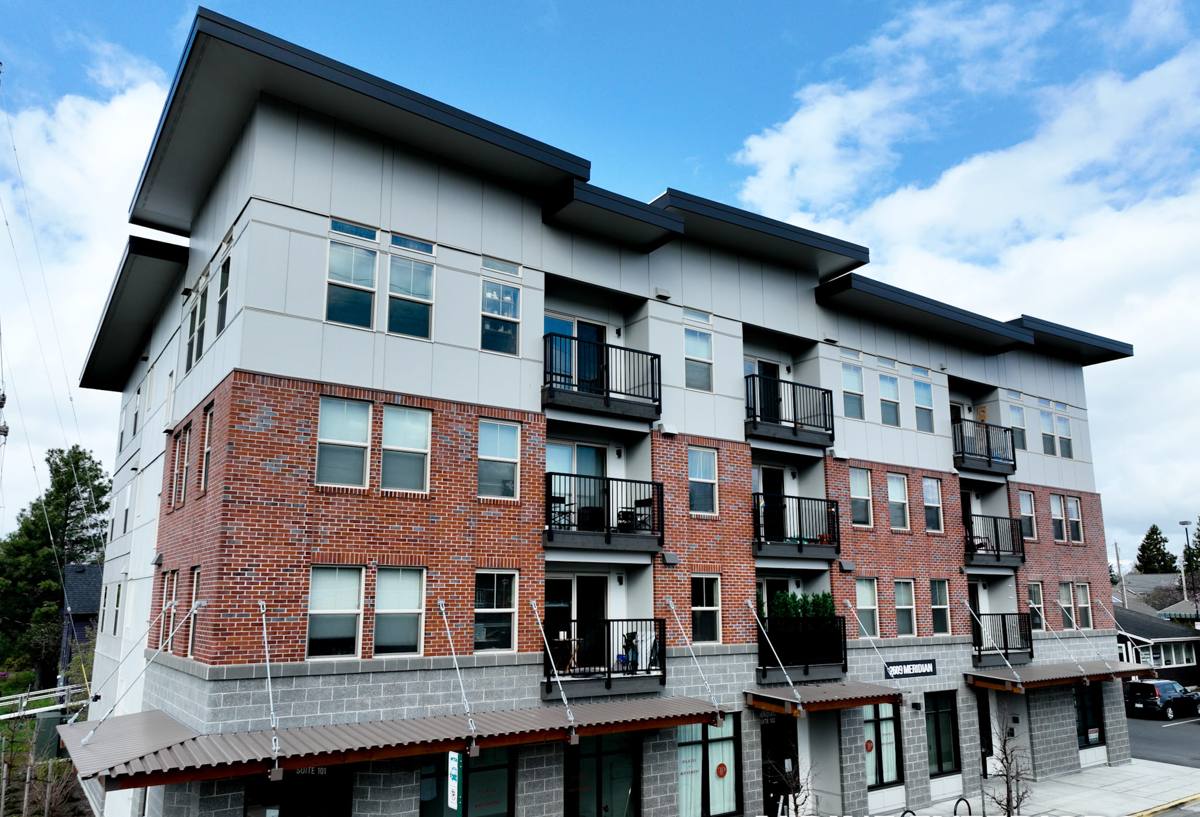
What a Correct Window Installation Actually Involves
Setting a window into an opening is the easy part. The work that determines whether it lasts happens before and after that step, and it's where a lot of installations — especially quick retrofit jobs — fall short.
Before the Window Goes In
- Inspecting the existing rough opening for rot, soft framing, or prior water intrusion — and repairing it before anything new goes in, not after
- Confirming the opening is square, level, and sized correctly rather than forcing a stock window to fit
- Installing (or replacing) sill pan flashing so any water that gets past the window has somewhere to go besides your wall cavity
During the Set
- Shimming correctly so the frame isn't under stress, which affects both operation and seal life
- Using fasteners and flashing tape rated for long-term exterior exposure, not general-purpose materials
- Sequencing the flashing so water sheds outward and down at every layer — house wrap, flashing, and window flange overlap in the right order
After the Set
- Sealing the interior air barrier separately from the exterior water barrier — these do different jobs and shouldn't be combined
- Backer rod and quality sealant at the exterior trim, sized for the gap rather than just caulked over
- A final check for operation, drainage, and lock alignment before the crew leaves
Skip any one of these and the window will probably still look fine on install day. The trouble shows up in year two or three, usually as water damage that costs far more to fix than it would have cost to do right the first time.
Our Installation Process
We keep the process straightforward because homeowners deserve to know what's happening to their house and why.
- On-site assessment. We look at the existing windows, the condition of the openings, and how the house is oriented to wind and rain before recommending anything.
- Product selection. We walk through frame material, glass package, and hardware options based on the specific wall, exposure, and your budget — not a one-size answer.
- Written estimate. Clear scope, clear pricing, no surprise add-ons discovered mid-job.
- Opening prep and repair. Any rot or damage found once old windows come out gets addressed and documented before new units go in.
- Installation. Flashing, shimming, and sealing done in the order that actually keeps water out, not just the order that's fastest.
- Final walkthrough. We test every window with you before we call the job done — operation, locks, and a look at the finished exterior trim.
Typical Timeline
A standard whole-home window replacement usually runs a few days to just over a week depending on the number of openings and whether any framing repair is needed. Single or small-batch replacements can often be done in a day. Weather can push timelines during Whatcom County's wetter months, since flashing and sealant work needs a dry window to cure properly — we'll be upfront if that affects your schedule.
Choosing the Right Window for the Conditions
There's no single "best" window — the right choice depends on which wall it's going on, how much weather that wall takes, and what you're trying to solve (energy loss, condensation, noise, or just windows that are worn out). Here's how the common options generally compare for this climate:
| Frame Material | Moisture Resistance | Maintenance | Typical Fit |
|---|---|---|---|
| Vinyl | Very good — won't rot, minimal corrosion risk | Low | Most homes, best value |
| Fiberglass | Excellent — very stable in temperature swings and moisture | Low | Higher-exposure walls, longer-term investment |
| Aluminum | Fair — prone to condensation and corrosion near salt air unless thermally broken | Moderate | Limited use; we're selective about where we recommend it here |
| Wood / wood-clad | Requires diligent upkeep to resist rot in this climate | High | Historic or design-specific projects only |
On glass, a dual-pane unit with a low-E coating and argon fill is the practical baseline for this area — it cuts heat loss and helps manage condensation on cold, damp mornings. For west- and north-facing walls that take the brunt of wind-driven rain, we often recommend upgraded weatherstripping and a heavier-duty frame profile regardless of material, since those exposures are where seals fail first.
Signs Your Current Windows Are Already Failing
Because problems here tend to develop behind the trim before they're visible, it helps to know what to look for early:
- Fogging or a hazy film between the panes — the seal has failed and the gas fill is gone
- Soft or discolored trim or sill, especially on north- or west-facing walls
- Windows that are hard to open, close, or lock — frames can shift as moisture works into the surrounding wood
- Visible moss or persistent green staining on the sill or exterior casing
- Drafts you can feel even with the window fully latched
- A noticeable jump in heating costs without any other explanation
Any one of these on its own isn't necessarily an emergency, but a window showing two or more of these is usually past the point where sealant or weatherstripping alone will fix it.
Repair, Retrofit, or Full Replacement?
Not every problem window needs to come out entirely. We'll tell you honestly which category yours falls into:
Repair makes sense when the frame and flashing are sound and the issue is isolated — a failed seal, worn weatherstripping, or hardware that needs replacing.
Retrofit (insert) replacement reuses the existing frame and is a reasonable option when that frame is still structurally solid and properly flashed, but the sash and glass are outdated or inefficient.
Full-frame replacement is the right call when there's rot, water damage, or flashing that was never installed correctly in the first place — this is common on older Bellingham-area homes where original construction predates current flashing standards. It costs more up front but it's the only way to actually fix a moisture problem rather than build a new window around it.
Permits and Local Considerations
Window replacement in Whatcom County can require a permit depending on the scope of work and whether structural framing is altered, particularly on egress windows in bedrooms. We handle that determination and the paperwork as part of the job so you're not left guessing whether your project needs sign-off. We also design for current energy code expectations, which matters both for comfort and for resale — buyers and inspectors in this area are used to checking window performance given the local climate.
Why It Matters That We Already Work in This Area
A crew that installs windows in Bellingham and the surrounding Whatcom County communities regularly knows which wall orientations take the worst weather, which older homes tend to have flashing that was never brought up to modern standards, and how long materials actually need to cure given how wet the season can run. That's not something a crew coming from a drier climate, or one that only occasionally works this area, tends to account for. It shows up in the small decisions — how much time is built into the schedule for weather, which sealant is trusted to hold up through a full wet season, how flashing is layered on a wall that gets hit by driving rain. Those decisions are the difference between a window that looks good on install day and one that's still performing correctly five winters later.
Get a Straight Answer, No Pressure
If you're dealing with drafty, foggy, or hard-to-operate windows — or you just want an honest read on whether repair or replacement makes sense for your home — we're happy to take a look. Reach out for a free estimate; we'll tell you what we actually see, not just what sells the biggest job.