 Birch Bay Window
 Windows Built for Ferndale's Weather, Not Just the Showroom
Ferndale sits close enough to the water and the Nooksack lowlands that its windows take a different kind of beating than homes further inland. Between salt-tinged air moving in off the Salish Sea, long stretches of driving rain, and a moss season that seems to start earlier every year, Whatcom County homes need windows that are chosen and installed with that climate in mind — not just whatever's cheapest at the big-box store or fastest to order.
Energy-efficient windows are as much about keeping water and moisture out as they are about keeping heat in. A window with a great energy rating on paper but a sloppy installation will still leak, fog, and rot around the frame within a few winters. We treat both halves of that equation as equally important on every Ferndale job.
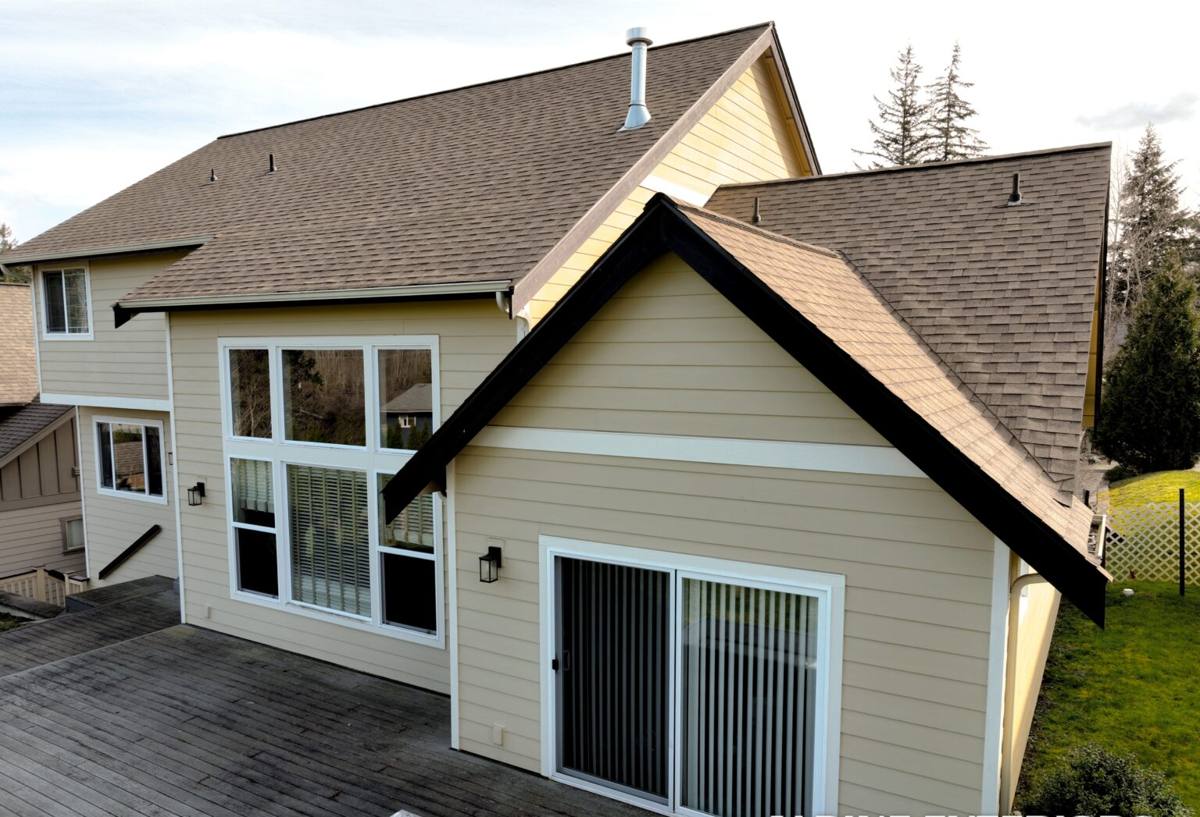
What "Energy-Efficient" Actually Means Here
Energy efficiency isn't a marketing label — it's a set of measurable properties that matter differently depending on your climate. In the Pacific Northwest, where winters are mild but wet and long, and summers are short, the properties that matter most are:
- U-factor — how well the window resists heat loss. Lower is better for our heating-dominated climate. This is the number that most affects your winter heating bill.
- Solar Heat Gain Coefficient (SHGC) — how much solar heat passes through the glass. In Whatcom County, moderate SHGC is usually fine since we don't fight extreme summer heat the way inland regions do.
- Air leakage rating — how much air moves through the assembly when it's shut. This matters a lot here because driving rain often arrives with wind, and a window with a poor air-leakage rating will also tend to let wind-driven water find its way in.
- Condensation resistance — how well the window resists fogging and moisture buildup on the interior glass during our damp, cool months. This is a common complaint we hear from Ferndale homeowners with older single-pane or early double-pane windows.
Most quality replacement windows sold today are double-pane with a low-E coating and an inert gas fill (typically argon), which covers the basics well. The bigger differences between a good window and a great one for our area usually come down to frame material and the quality of the installation — not the glass package.
The Three Things Ferndale's Climate Does to Windows
Salt Air and Hardware Corrosion
Homes closer to the water — including much of the Birch Bay and Ferndale corridor — deal with airborne salt that settles on window hardware, screen frames, and exterior trim over time. Cheaper hinges, cranks, and locks made from unprotected steel or low-grade aluminum will pit and corrode years before the glass itself shows any wear. We spec hardware finishes and frame materials that hold up to salt exposure rather than defaulting to whatever's standard for a drier climate.
Driving Rain and Wind-Driven Water
Rain that falls straight down is easy to shed. Rain that comes in sideways during a windstorm off the water is a different problem — it gets pushed up under trim, into gaps around the frame, and behind flashing that wasn't lapped correctly. Most of the water damage we find around older windows in this area isn't from the glass or the sash — it's from water getting behind the frame through a flashing or sealant failure and rotting the sheathing and framing underneath, sometimes for years before it's visible from inside.
Moss Season and Trim Longevity
Whatcom County's moss season runs long, and moss doesn't just grow on roofs — it takes hold in window sills, on horizontal trim ledges, and anywhere moisture sits without enough sun or airflow to dry it out. Moss holds water against wood and paint far longer than open air would, which accelerates rot and paint failure on sills and casings. Proper sill pitch, drip caps, and the right trim material go a long way toward keeping moss from getting a foothold in the first place.
What a Correct Installation Actually Involves
The window itself is maybe half the job. The other half is everything that happens around it, and it's the part that's easiest to shortcut and hardest for a homeowner to inspect afterward. A correct installation in our climate includes:
- Removing the old window and fully inspecting the rough opening for hidden rot or water damage before anything new goes in
- Installing (or repairing) a properly lapped weather-resistive barrier and flashing sequence, so water is always directed outward and down, never trapped behind the window
- Using a sill pan or sloped sill detail so any water that does get past the exterior seal drains back out instead of pooling
- Sealing and insulating the gap between the window frame and rough opening correctly — not overfilled with expanding foam, which can bow frames, and not left with gaps that leak air
- Matching exterior trim and caulking that's rated for our wet climate, not a generic interior-grade product
- A final water test or visual check of the flashing and seal before we call the job done
Skipping any one of these steps can still leave you with a window that looks fine, tests fine on the day of install, and then fails quietly over the next few winters.
Comparing Frame Materials for This Climate
There's no single "best" frame material for every home — it depends on your budget, your home's style, and how much upkeep you want to take on. Here's how the common options stack up for a marine, wet-winter climate like ours:
| Frame Material | Moisture & Salt Air Handling | Maintenance | Typical Lifespan |
|---|---|---|---|
| Vinyl | Good — won't rot or corrode, handles salt air well | Low — occasional cleaning | 20–30 years |
| Fiberglass | Excellent — very stable in wet, salty, temperature-swinging conditions | Low | 30+ years |
| Wood-clad | Good exterior protection, but any breach in the cladding exposes wood to rot | Higher — cladding and interior wood need periodic attention | 20–30 years with upkeep |
| Aluminum | Conducts cold and can corrode over time in salt air unless properly finished | Moderate | 20–30 years |
For most Ferndale homes, vinyl and fiberglass are the practical sweet spot — both resist the moisture and salt exposure this area sees without demanding much upkeep. We're happy to walk through the trade-offs for your specific home rather than push one material across the board.
Signs Your Current Windows Are Underperforming
Not every window that needs attention is obviously failing. Some of the most common signs we see in Ferndale homes are subtle enough that homeowners live with them for years before calling anyone. Worth checking for:
- Fogging or condensation between the panes (a sign the seal has failed and the gas fill is gone)
- Visible moisture, staining, or soft wood on the interior sill or exterior trim
- Drafts you can feel near the frame on a windy day, even with the window latched
- Moss or persistent green growth on the sill, brickmold, or trim
- Difficulty opening, closing, or locking — often a sign the frame has shifted from moisture damage
- A noticeable temperature difference near the window compared to the rest of the room
- Rooms that feel colder in winter or noticeably noisier than the rest of the house
Any one of these on its own isn't necessarily an emergency, but a few of them together usually means the window and its surrounding assembly are past the point where sealant or minor repair will fix it.
What Affects the Cost of a Window Replacement
We give real numbers on-site once we've seen the actual openings, but here are the main factors that move the price up or down on most Ferndale projects:
| Factor | Why It Matters |
|---|---|
| Frame material | Vinyl is typically the most budget-friendly; fiberglass and wood-clad cost more up front |
| Number and size of openings | Straightforward per-window pricing, but larger or custom-shaped windows cost more |
| Condition of the existing opening | Hidden rot or framing damage found during removal adds repair scope before the new window goes in |
| Installation type | A full-frame replacement (removing down to the rough opening) generally costs more than an insert replacement, but is often the right call when there's water damage to address |
| Trim and exterior finish work | Matching existing trim profiles or upgrading to more moisture-resistant trim adds labor and material |
We'll always tell you plainly if we think a cheaper insert replacement is the right call, or if the condition of your opening means a full-frame job is worth the extra cost. That's a judgment call we make honestly, not one we upsell.
Our Process, Start to Finish
1. On-Site Assessment
We look at each opening, check for existing moisture or rot damage, and talk through what you actually need — some homes just need a handful of problem windows addressed, others benefit from doing a full replacement at once.
2. Straightforward Estimate
You get a written estimate with real product options and real numbers, not a pressure-timed "today only" discount. We'd rather you take a few days to think it over.
3. Precise Measurement and Ordering
Every opening gets measured individually — older homes especially rarely have perfectly square, uniform openings, and ordering off a single measurement leads to gaps and shim work that compromises the seal later.
4. Installation
This is where the flashing, sill pan, insulation, and sealing details described above happen. We don't rush this step — it's the difference between a window that performs for 20-plus years and one that needs attention again in five.
5. Cleanup and Walkthrough
We clean up the job site and walk through the finished work with you so you know what was done and what to watch for going forward.
Why It Matters That We Already Work in Ferndale
A crew that installs windows across a range of climates might do fine work, but a crew that regularly works in Ferndale and the surrounding Birch Bay area already knows what to check for before the tape measure comes out — where salt air tends to hit hardware hardest, which older home styles in this area are more prone to hidden sill rot, and how aggressive to be with flashing details given how much wind-driven rain this stretch of Whatcom County actually sees. That local pattern recognition catches problems before they become expensive ones, and it's the kind of judgment that only comes from doing this work here, repeatedly, not from a general install checklist.
If your windows are drafty, fogged, hard to operate, or just old enough that you're wondering whether they're costing you money every winter, we're glad to take a look. Reach out for a free, no-pressure estimate using the form below — we'll give you a straight answer about what your home actually needs.