 Birch Bay Window
 Board & Batten Siding Built for Lummi Island's Conditions
Lummi Island sits out in the marine weather that defines this stretch of Whatcom County — salt-laden wind off the water, driving rain that comes in sideways more often than straight down, and tree cover dense enough to keep large sections of many homes in shade for most of the year. Board and batten siding, with its bold vertical lines and strong shadow reveals, is a natural fit for the island's mix of waterfront cottages, wooded lots, and craftsman-style homes. But the same features that make the look work — deep battens, exposed vertical seams, and a material that has to survive salt air and moss season year after year — are exactly where a poorly executed installation fails first.
This page covers what board and batten siding needs to hold up on Lummi Island specifically, what a correct installation actually involves, and why we install it exclusively in James Hardie fiber cement rather than cedar, engineered wood, or vinyl.
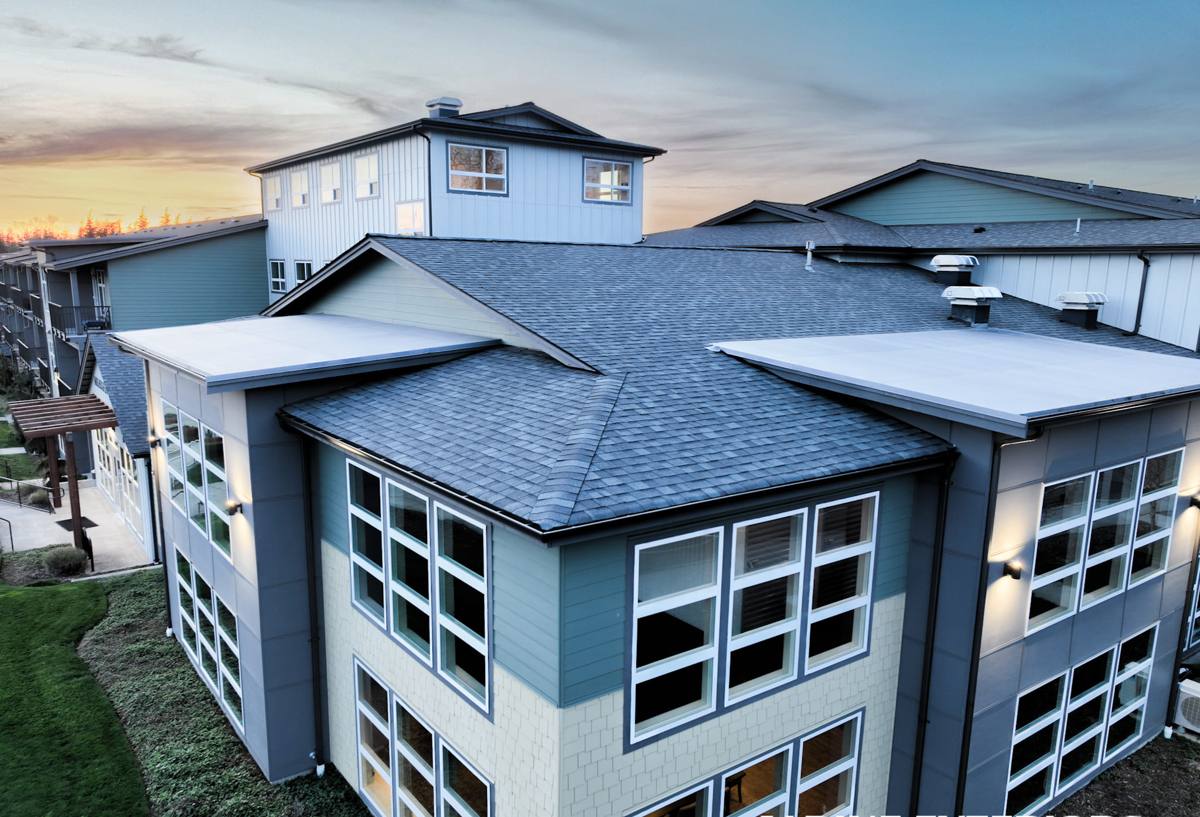
What Lummi Island's Climate Actually Does to Siding
Homeowners who've been on the island a while already know this, but it's worth spelling out because it explains almost every decision in this page:
Salt Air
Airborne salt from the surrounding water settles on siding, trim, and especially fasteners. Over years, it accelerates corrosion in anything less than a proper marine-grade or stainless fastener, and it slowly degrades finishes that weren't engineered to resist it. This is a bigger deal for siding than most homeowners expect — a beautiful installation with the wrong fasteners will show rust streaks bleeding through the paint within a few years.
Driving Rain
Wind-driven rain off the water doesn't just wet the surface of a wall — it gets pushed into seams, laps, and gaps that would stay dry in a calmer inland location. Board and batten siding has more vertical seams per square foot than horizontal lap siding, which means more places for wind-driven moisture to find a way in if the water-resistive barrier, flashing, and drainage plane behind the siding aren't done correctly.
A Long Moss Season
Heavy tree cover keeps many walls shaded and damp for long stretches of the year, which is exactly what moss and algae need to take hold. North- and east-facing walls under trees are the worst offenders. Some siding materials resist this better than others, and finish quality matters as much as the base material.
Why Board & Batten Fits the Island's Homes
Board and batten works aesthetically on Lummi Island because it reads as sturdy and unfussy — it suits cabins, cottages, and craftsman homes without looking out of place next to more traditional lap-sided neighbors. The vertical battens also do something practical: they break a wall into narrower visual sections, which tends to hide minor settling or waviness in older wall assemblies better than a single wide horizontal reveal would. On heavily wooded or waterfront lots where a home needs to hold its own against a strong natural backdrop, the deeper shadow lines of board and batten also just show up better than a flatter lap profile.
Why We Install James Hardie for Board & Batten — and Not Cedar, Engineered Wood, or Vinyl
We install board and batten siding in one material: James Hardie fiber cement, primarily their vertical panel systems with factory-finished battens. That's a deliberate standard, not a lack of options, and on an island with this much salt air and shade, the reasons matter more than they would somewhere drier and sunnier.
Cedar and Other Real Wood
Real wood board and batten can look excellent, and there's nothing wrong with the material itself — it's the maintenance curve that's the problem in this climate. Wood siding under constant shade and salt air needs more frequent refinishing to keep water out, and once moss or rot gets a foothold in a damp, shaded batten joint, it spreads. We'd rather not put a product on a home that we know will need aggressive upkeep to survive here.
Engineered Wood (LP SmartSide and similar)
Engineered wood products perform reasonably well in moderate climates, but they rely on their surface coating staying intact to keep moisture out of the wood-strand core. In a marine environment with long damp seasons, any breach in that coating — from a fastener, a scuff, or a poorly sealed cut edge — gives moisture a path into a substrate that swells and deteriorates once it's wet. We don't think that's a good trade for Lummi Island conditions.
Vinyl
Vinyl board and batten is inexpensive and low-maintenance in the sense that it doesn't rot, but it's a thin, flexible material that telegraphs wall imperfections, fades unevenly in UV exposure over time, and can't be repainted to refresh its look. It's also more prone to cracking or warping in strong wind and temperature swings than a rigid fiber cement panel. It doesn't match the solid, substantial look board and batten is supposed to deliver.
Why James Hardie
Fiber cement is dimensionally stable, doesn't feed mold or moss the way organic materials can, and holds a factory-applied ColorPlus finish that's baked on to resist fading and moisture intrusion far better than field-applied paint. It's also non-combustible, which matters for long-term insurance and durability considerations regardless of local wildfire exposure. Hardie backs its products with a strong transferable warranty, which counts for something on an island where homes change hands and buyers want to know what they're inheriting. None of that replaces correct installation — but it gives a correct installation the best possible material to work with.
What a Correct Board & Batten Installation Involves
Board and batten siding is unforgiving of shortcuts because every batten is a potential water entry point if it isn't detailed correctly. On a job in this climate, we treat the following as non-negotiable:
- A drainage gap behind the siding. A rainscreen furring strip or drainage wrap creates a gap that lets any moisture that does get past the cladding drain and dry out instead of sitting against the sheathing.
- Correct water-resistive barrier and flashing at every penetration. Windows, doors, hose bibs, and light fixtures all need proper flashing integration — this is where wind-driven rain finds its way in if it's skipped or done wrong.
- Corrosion-resistant fasteners. In salt air, we use fasteners rated for the exposure rather than standard galvanized nails, which is a small cost difference that prevents rust streaking and fastener failure years down the road.
- Proper batten spacing and fastening pattern. Battens need to land correctly over panel seams with the fastening pattern James Hardie specifies — not just for appearance, but so the panel can expand and contract without cracking the finish at the joint.
- Correct clearance from grade, roof lines, and decks. Siding installed too close to the ground, a roof, or a deck surface traps moisture against the bottom edge — a common failure point we see on older installations around the island.
- Sealed and caulked joints only where Hardie's specifications call for it. Over-caulking traps moisture as often as it keeps it out; the goal is to follow the manufacturer's detailing, not to seal everything indiscriminately.
Our Process for Lummi Island Projects
Working on an island community changes the logistics of a siding project, even when the install work itself is the same as anywhere else in Whatcom County.
Site Assessment First
We start with a walk-around to check the condition of the existing wall assembly, look for moisture damage or moss buildup behind the current siding, and confirm sun exposure and shade patterns on each elevation — this tells us where extra attention to drainage and fastener choice matters most.
Material Staging
Board and batten projects need panels, battens, trim, and flashing accessories staged and ready before crew and materials head over, since re-supply mid-project isn't as simple as a quick trip to a local yard. We plan material orders with enough buffer to avoid a project stalling out for a missing piece.
Weather-Aware Scheduling
Given how much driving rain this area gets, we schedule the wall-open portions of a re-side — removing old siding and installing the water-resistive barrier — around the driest windows we can find, so the sheathing isn't exposed to weather any longer than necessary.
Clean Site Management
On island properties, waste hauling and material delivery both take more coordination than a mainland job. We plan dumpster and delivery logistics up front so a project doesn't sit half-finished waiting on a haul-off.
Maintenance in a Moss-Prone, Salt-Air Environment
James Hardie board and batten siding is genuinely low-maintenance compared to wood or engineered wood alternatives, but "low-maintenance" doesn't mean "no maintenance" on Lummi Island. A simple annual routine keeps it looking right:
- Rinse siding gently once or twice a year, focusing on shaded, moss-prone walls — a garden hose and soft brush is enough; avoid high-pressure washing directly at seams and battens.
- Trim back tree branches and brush that keep a wall in constant shade, since more sun exposure is the single best defense against moss.
- Check caulking at trim, window, and door junctions every year or two and have any cracked sealant redone before it becomes a leak path.
- Look at fastener heads and battens for rust streaking, especially on walls facing open water — early rust is easy to address before it stains the finish.
- Keep gutters and downspouts clear so roof runoff isn't dumping extra water down a wall section during heavy rain events.
What Affects the Cost of a Board & Batten Project on Lummi Island
| Factor | Why It Matters |
|---|---|
| Existing siding removal & sheathing condition | Rot or moisture damage found once old siding comes off adds repair scope before new siding goes on |
| Home size and wall complexity | More elevations, dormers, and trim details mean more battens, cuts, and flashing details |
| Access and logistics | Ferry-dependent material delivery and site access can affect scheduling and staging on an island project |
| Fastener and flashing spec | Marine-grade fasteners and full flashing details cost more up front but prevent expensive corrosion and moisture repairs later |
| Trim and window detailing | Board and batten around windows and corners takes more precise measuring and cutting than a flat lap wall |
Why It Matters That Your Crew Already Works Lummi Island
A siding contractor who mostly works mainland Whatcom County jobs can still do competent work on Lummi Island — but they're solving the island's logistics for the first time on your project. A crew that already works this community knows how to plan ferry-dependent scheduling, how much material buffer to carry, and which wall orientations on the island tend to need the most attention to moss and moisture. That familiarity shows up less in the finished look of the siding and more in whether the project stays on schedule and whether the details that matter in this climate — drainage, flashing, fastener choice — get the attention they need without being treated as an afterthought.
If you're weighing board and batten siding for a home on Lummi Island, we're happy to take a look and walk you through what your specific home and site would need. Reach out for a free, no-pressure estimate — there's a form right below this section.