 Birch Bay Window
 Why Nooksack Roofs Wear Differently Than Roofs Inland
Homes in the Nooksack area near Birch Bay deal with a roofing environment that's tougher than it looks from the ground. Being close to Birch Bay and the Salish Sea means salt-laden air moves through the area more often than homeowners further inland ever deal with. That salt air accelerates corrosion on exposed metal — nail heads, flashing, gutter fasteners, and vent boots — long before the shingles themselves show their age.
Add in driving rain that comes sideways off the water during winter storms, and you get wind-driven moisture finding its way under shingle edges and around anything that penetrates the roof deck. Then there's the moss. Whatcom County's long wet season and heavy tree cover give moss and algae a running start every year, and once it takes hold on a roof, it holds water against the surface for months at a time.
None of this means Nooksack roofs are poorly built. It means they need repair work that accounts for all three factors at once — not a generic patch job pulled from a warmer, drier climate's playbook.
Signs a Nooksack Roof Needs Repair — Not Full Replacement
Most roofs don't fail all at once. They show warning signs for months, sometimes years, before a leak actually shows up inside the house. Catching these early is usually the difference between a repair bill and a replacement bill.
- Granules collecting in gutters or at the base of downspouts (a sign the shingle surface is breaking down)
- Shingle edges curling up or lifting, especially on south- and west-facing slopes
- Thick moss mats sitting on the roof surface, particularly on shaded slopes
- Soft or spongy spots when walked on, which usually means the decking underneath is wet
- Water stains or discoloration on interior ceilings, especially after a windy rainstorm
- Rust streaks or visible gaps around chimney flashing, plumbing vents, or skylights
- Missing or torn shingles after a windstorm, common along exposed coastal-facing roof lines
If you're only seeing one or two of these, a repair is usually the right call. If several show up together, especially soft decking plus interior staining, it's worth a closer inspection before deciding.
What a Correct Roof Repair Actually Involves
Diagnosing the Real Problem First
A roof leak rarely shows up directly above where the water entered — it travels along the decking or rafters before finding a gap in the drywall or ceiling. A correct repair starts by tracing the water back to its actual entry point, not just patching the spot where the stain appeared. Chasing the wrong location is the most common reason a "fixed" roof leaks again the next storm season.
Matching Materials Without Guesswork
Shingles fade and weather over time, so a patch using brand-new material next to five-year-old shingles will stand out and, more importantly, may not seal the same way. A proper repair accounts for granule wear, color matching where possible, and — when an exact match isn't available — placing new material where it will blend in rather than on the most visible slope.
The Parts People Skip
Flashing, underlayment, and ridge caps are where most rushed repairs cut corners. Reusing old flashing that's already rusted or bent, or skipping fresh underlayment under a patch, saves an hour of labor but often means the same leak returns within a year or two. We replace flashing and underlayment as part of the repair scope whenever the existing material is compromised, not just when it's convenient.
Moss and Algae: The Long Wet Season's Biggest Toll
Moss doesn't just look bad — it's mechanically damaging. As it grows, it lifts shingle edges, holds water against the roof surface long after rain has stopped, and creates a foothold for algae staining. In a climate with as long a wet season as Whatcom County has, moss can go from a light dusting to a thick mat in a single growing season if it isn't addressed.
Removing moss correctly means hand-clearing it rather than pressure-washing it off, which can drive granules loose and shorten the life of otherwise sound shingles. Once cleared, zinc or copper control strips near the ridge help slow regrowth using rainwater runoff, without chemical treatments running off into yards or nearby drainage. It's not a permanent fix — nothing is, in this climate — but it meaningfully extends the time between cleanings.
Common Roofing Materials in the Area and How Repairs Differ
| Material | Typical Repair Approach | Moss/Algae Resistance | Salt Air Sensitivity |
|---|---|---|---|
| Standard 3-tab asphalt shingle | Section replacement, matched by age/color | Low — prone to moss without treatment | Moderate — fasteners are the weak point |
| Architectural/laminate shingle | Section or full-slope replacement depending on age | Moderate, better with algae-resistant granules | Moderate |
| Cedar shake | Individual shake replacement, requires matching weathering | Low without regular treatment | Higher — fasteners and shakes both affected |
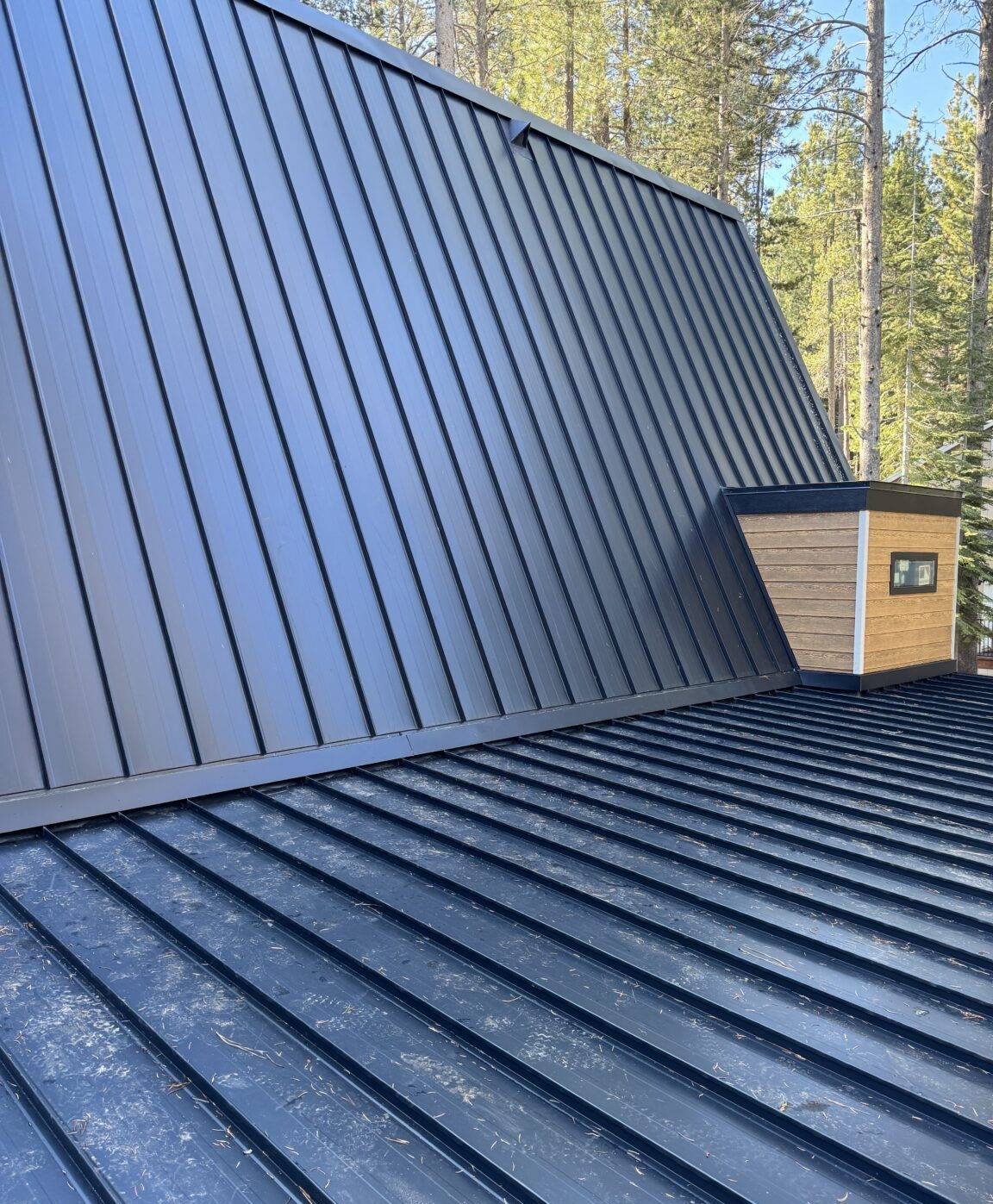
| Standing seam metal | Fastener and sealant repair, panel replacement if damaged | High — sheds moss more easily | Depends on coating; uncoated steel is vulnerable |
This isn't a recommendation to switch materials during a repair — it's context for why the same symptom (a leak, a moss patch) gets a different fix depending on what's actually on your roof.
Our Nooksack Roof Repair Process
- Inspection. We walk the roof and attic where accessible, and document what we find with photos so you can see the actual condition, not just take our word for it.
- Written scope and estimate. You get a clear description of what's being repaired, what materials will be used, and a price before any work starts — no vague "we'll see what we find" pricing.
- Material sourcing and matching. We source shingles, flashing, and underlayment that match your existing roof as closely as possible.
- The repair itself. This includes clearing moss and debris from the work area, replacing damaged decking if found, installing new flashing and underlayment where needed, and setting matched shingles.
- Cleanup and walk-through. We clear nails and debris from the yard and gutters, then walk the repair with you before we consider the job done.
Repair vs. Replacement: What Actually Tips the Decision
| Factor | Leans Toward Repair | Leans Toward Replacement |
|---|---|---|
| Roof age | Under 15-20 years, depending on material | Approaching or past manufacturer's expected lifespan |
| Area affected | Isolated section or single slope | Multiple slopes or widespread granule loss |
| Decking condition | Solid, dry decking under the damaged area | Soft, rotted, or repeatedly wet decking |
| Repair history | First or second repair in this area | Same spot repaired multiple times already |
| Underlying cause | Storm damage or a single failed component | General wear across the whole roof surface |
We'll tell you honestly which side of this table your roof falls on. If a repair will genuinely hold, that's what we recommend — a roof replacement isn't the answer just because it's more profitable for the contractor.
Why a Crew That Already Works Nooksack Matters
Roofing crews that mostly work drier, milder climates tend to under-scope moisture-related repairs, because they're not used to seeing decking that's been damp under moss for a full wet season. A crew that regularly works the Birch Bay and Whatcom County area knows what a roof exposed to this much salt air, rain, and moss actually looks like at 5 years, 15 years, and 25 years old — and that shapes what we check for and how we scope a repair before we ever get on the roof.
Local familiarity also means fewer surprises on permitting and material lead times for this area, and a crew that can respond within a reasonable window when a storm knocks something loose rather than scheduling you in behind a backlog from a much larger service area.
Maintenance That Extends the Time Between Repairs
- Clean gutters at least twice a year — clogged gutters back water up under the roof edge
- Have moss cleared before it forms thick mats, ideally during a dry stretch rather than mid-winter
- Trim back overhanging branches that keep sections of the roof shaded and damp longer than the rest
- Check attic ventilation — poor airflow traps moisture that shortens decking life from the inside
- Address small flashing issues (chimneys, vents, skylights) as soon as they're noticed, before a wind storm turns a small gap into a real leak
If you're seeing any of the warning signs above, or it's just been a while since your roof was actually looked at rather than glanced at from the driveway, we're happy to take a look. Fill out the form below for a free, no-pressure estimate — we'll tell you straight whether you're looking at a repair or something bigger.