 Birch Bay Window
 Window Replacement Built for Terrell Creek's Coastal Climate
Terrell Creek sits in that stretch of Whatcom County where the Salish Sea, low wetlands, and heavy tree cover all meet. It's a beautiful place to live, but it's a hard place to be a window. Homes here take on a combination of salt-laden air off Birch Bay, wind-driven rain that comes in sideways during winter storms, and a moss and mildew season that can stretch from October well into spring. Windows that would last 25 years in a dry inland climate often show real wear here by year 15 or sooner, especially if they weren't installed with this specific environment in mind.
We work on homes throughout the Birch Bay area, and Terrell Creek's mix of low-lying lots, mature tree canopy, and proximity to the water means window replacement here isn't quite the same job as it is a few miles inland. This page covers what that actually means for your home, what a correct installation looks like, and how we approach the work.
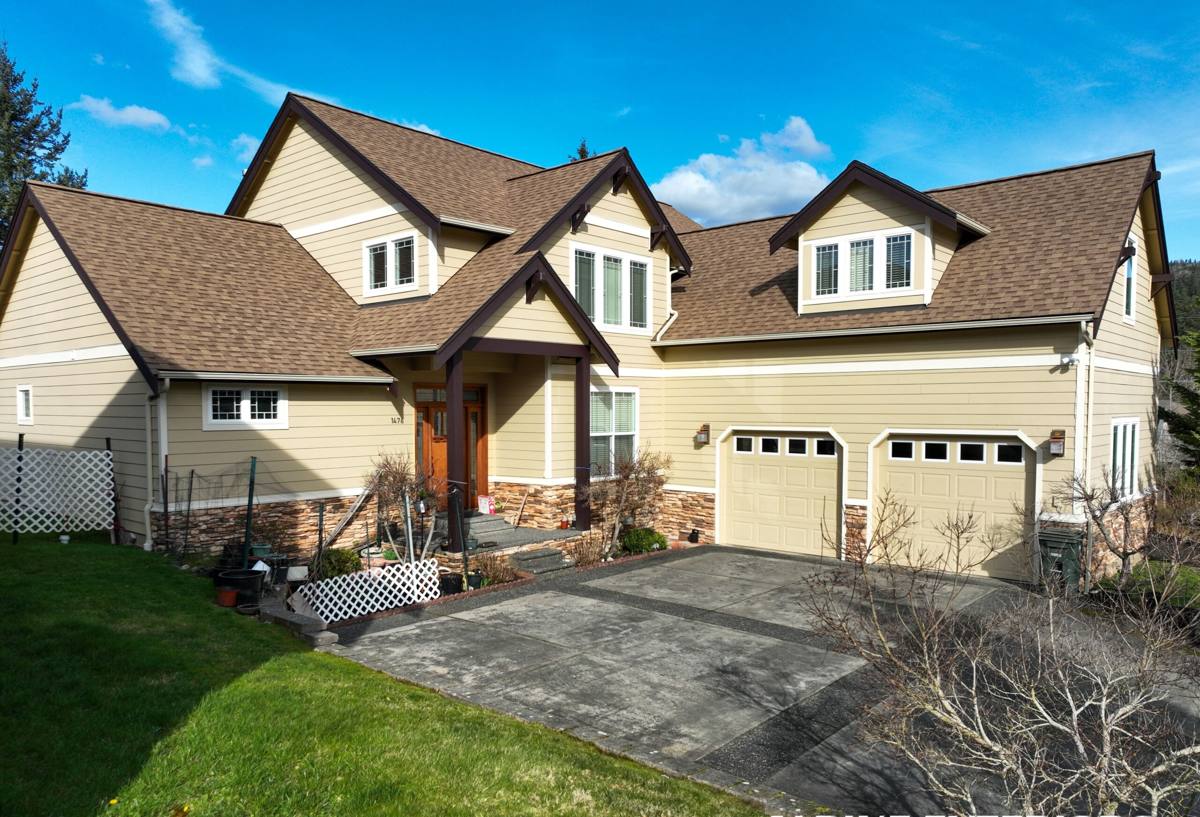
What Salt Air, Rain, and Moss Season Do to Windows
Salt Air and Metal Components
Airborne salt from Birch Bay travels further inland than most homeowners expect, especially on windy days. It settles on window hardware, screens, and metal frame components, where it accelerates corrosion of hinges, locks, and balance mechanisms. Vinyl and fiberglass frames resist this better than bare aluminum, but even quality hardware needs periodic attention in a salt-exposed environment.
Wind-Driven Rain
Storms coming off the water don't just drop rain straight down — they push it horizontally into the wall, right at the window's weakest point: the perimeter seal. Older windows, or windows installed without proper flashing and sealant detail, are prone to water intrusion around the frame long before the glass or sash itself fails. That intrusion often shows up as soft trim, staining below the sill, or a musty smell in the wall cavity well before it's visible on the window itself.
Moss, Mildew, and Shade
Terrell Creek's tree cover keeps yards cool and green, but it also keeps window exteriors and sills damp for longer stretches after every rain. Moss and mildew growth on sills, tracks, and exterior trim isn't just cosmetic — trapped moisture against wood-framed windows or poorly sealed trim is one of the most common causes of rot we find when we pull old units out.
Signs a Terrell Creek Home Needs Window Replacement
- Visible fog or moisture between panes of double-pane glass (a failed seal)
- Soft, spongy, or discolored wood trim around the window frame
- Windows that are difficult to open, close, or lock — often from swollen frames or corroded hardware
- Persistent moss or black mildew staining on sills or lower sashes that returns soon after cleaning
- Noticeable draft or cold spot near the window in winter, even with it fully closed
- Condensation forming on the inside of the glass regularly, not just on cold mornings
- Peeling paint or bubbling on interior sills, a sign moisture is getting past the seal
Any one of these can be a minor fix. Several together, especially on the weather-facing side of the house, usually mean the window assembly itself has reached the end of its useful life.
What a Correct Installation Involves Here
Swapping in a new window is the easy part. What actually determines whether that window lasts is the work most homeowners never see: how the opening is prepared and how the new unit is sealed into the wall. In a climate like Terrell Creek's, we treat this as the most important part of the job, not an afterthought.
Our standard approach includes:
- Removing the old unit and inspecting the rough opening for hidden rot, water staining, or insect damage before anything new goes in
- Repairing or replacing any compromised framing found during that inspection — we don't seal a new window over a bad opening
- Installing self-adhered flashing membrane at the sill and jambs, lapped correctly with the house wrap so water sheds outward, not into the wall
- Using a sill pan on any opening where drainage is a concern, especially on lower-level and ground-facing windows common in Terrell Creek's low-lying lots
- Setting the window level, plumb, and properly shimmed, then fastening per manufacturer spec — not just caulked in place
- Sealing the exterior with a compatible, weather-rated sealant designed for coastal moisture exposure
- Insulating the gap between the frame and rough opening properly, avoiding both gaps and over-compression
- Finishing interior and exterior trim so the whole assembly sheds water correctly, not just the window itself
Skipping any of these steps is how a brand-new window ends up with the same rot problem five years later. The window product matters, but the installation detail is what actually keeps water out of your wall.
Choosing the Right Frame Material for This Climate
There's no single "best" window for every home, but some materials handle Terrell Creek's salt air, rain exposure, and shaded moisture better than others. Here's how the common options compare for this specific environment.
| Frame Material | Salt Air / Corrosion | Moisture & Rot Resistance | Maintenance |
|---|---|---|---|
| Vinyl | Very good — won't corrode | Good, if properly flashed and drained | Low — occasional cleaning |
| Fiberglass | Excellent | Excellent — very stable in wet/dry cycles | Low |
| Wood (clad exterior) | Good on clad side | Interior wood still needs protection from moisture | Moderate — periodic finish upkeep |
| Bare aluminum | Poor without upgraded coatings | Prone to condensation issues | Higher — hardware and finish wear faster near salt air |
For most Terrell Creek homes, we steer clients toward vinyl or fiberglass frames as the practical, lower-maintenance choice. Wood-clad windows can look excellent and perform well too, but we're upfront that they carry more long-term upkeep in a wet, shaded climate — that's a maintenance trade-off, not a reason to rule them out if you want that look and are willing to stay on top of the finish.
Glass and Hardware Choices Worth Discussing
Beyond frame material, a few options make a real difference in this specific setting:
- Low-E coated, double or triple-pane glass — helps with both energy performance and reduces interior condensation during our cold, damp winters
- Corrosion-resistant hardware — stainless or coated locks and hinges hold up longer than standard-grade hardware this close to the water
- Full-perimeter weatherstripping — matters more here than in drier climates, since it's the second line of defense against wind-driven rain
- Fiberglass or composite exterior sills — resist the sill rot that's one of the most common issues we see on older wood-sill windows in shaded, low-lying lots
Our Process, Start to Finish
1. On-Site Estimate
We walk the home, look at each window you're considering replacing, and check for signs of hidden moisture damage — not just measure glass. This tells us early if there's framing repair to account for.
2. Straightforward Proposal
You get a clear breakdown of product options, scope of work, and price — no pressure to upgrade beyond what actually makes sense for your home.
3. Careful Removal and Opening Inspection
Old units come out carefully to protect interior and exterior finishes, and we inspect the opening before anything new goes in.
4. Correct Installation
Flashing, sill pans where needed, proper fastening, insulation, and sealing — done to the standard outlined above, every time, not just on request.
5. Final Walkthrough
We test operation, check seals, and walk the job with you before we consider it done.
What Window Replacement Typically Costs
Exact pricing depends on window size, quantity, material, and how much (if any) framing repair is needed once we open the wall. In general terms, homeowners should expect costs to scale with these factors:
| Factor | Why It Affects Cost |
|---|---|
| Frame material (vinyl vs. fiberglass vs. wood-clad) | Material and manufacturing cost differ significantly |
| Number of windows replaced at once | Bundling work reduces per-window labor and setup cost |
| Hidden rot or framing damage | Requires repair before the new window can be properly sealed in |
| Glass package (standard vs. triple-pane, coatings) | Higher-performance glass costs more but improves comfort and energy use |
| Access and window location | Second-story or hard-to-reach windows take more labor time |
We give an honest number after seeing the actual windows and opening conditions — not a rough phone quote that changes once work starts.
Keeping New Windows Performing After Installation
- Rinse salt residue and debris off exterior frames and glass a few times a year, more often if your home faces the water directly
- Clear moss and leaf debris from sills and tracks before it holds moisture against the frame
- Check exterior caulking annually and have any cracked or separated sealant redone before winter rains
- Operate locks and hardware periodically even on windows you rarely open, to keep mechanisms from seizing
- Watch for condensation between panes — it's the clearest sign a seal has failed and won't resolve on its own
Why Local Experience Matters for This Job
Window replacement done wrong in a climate like this doesn't fail quietly — it shows up as rot, mold, or a warped frame a few winters later, usually after the installer is long gone. We work in Birch Bay and the surrounding Whatcom County communities regularly, which means we've seen how salt exposure, driving rain, and shaded moisture actually play out on homes here over time, not just in a manufacturer's spec sheet. That experience shapes the flashing detail, sealant choice, and material recommendations we make on every Terrell Creek job — it's not a generic install applied to a coastal address.
If you're noticing drafts, moisture, or sticking windows, or you're just planning ahead before the next wet season sets in, we're happy to take a look. Reach out for a free, no-pressure estimate using the form below — we'll walk your home, tell you honestly what we see, and give you a straightforward price with no obligation.