 Birch Bay Window
 Board & Batten in a Cherry Point Microclimate
Cherry Point sits right up against the water on the eastern edge of Birch Bay, and that location shapes everything about how siding performs there. Homes here take a steady diet of salt-laden air off the Strait of Georgia, wind-driven rain that hits walls sideways instead of just falling on the roof, and a long, damp moss season that can run from October well into spring. Board and batten siding — with its crisp vertical lines and deep shadow reveals — is one of the most requested looks in this neighborhood, but it's also one of the styles that punishes a shortcut installation fastest. The vertical joints, the batten strips, and the extra fastening involved all create more places for water to find a way in if the job isn't detailed correctly.
This page is about doing board and batten right, specifically for Cherry Point conditions, using the one material system we install on every job: James Hardie fiber cement.
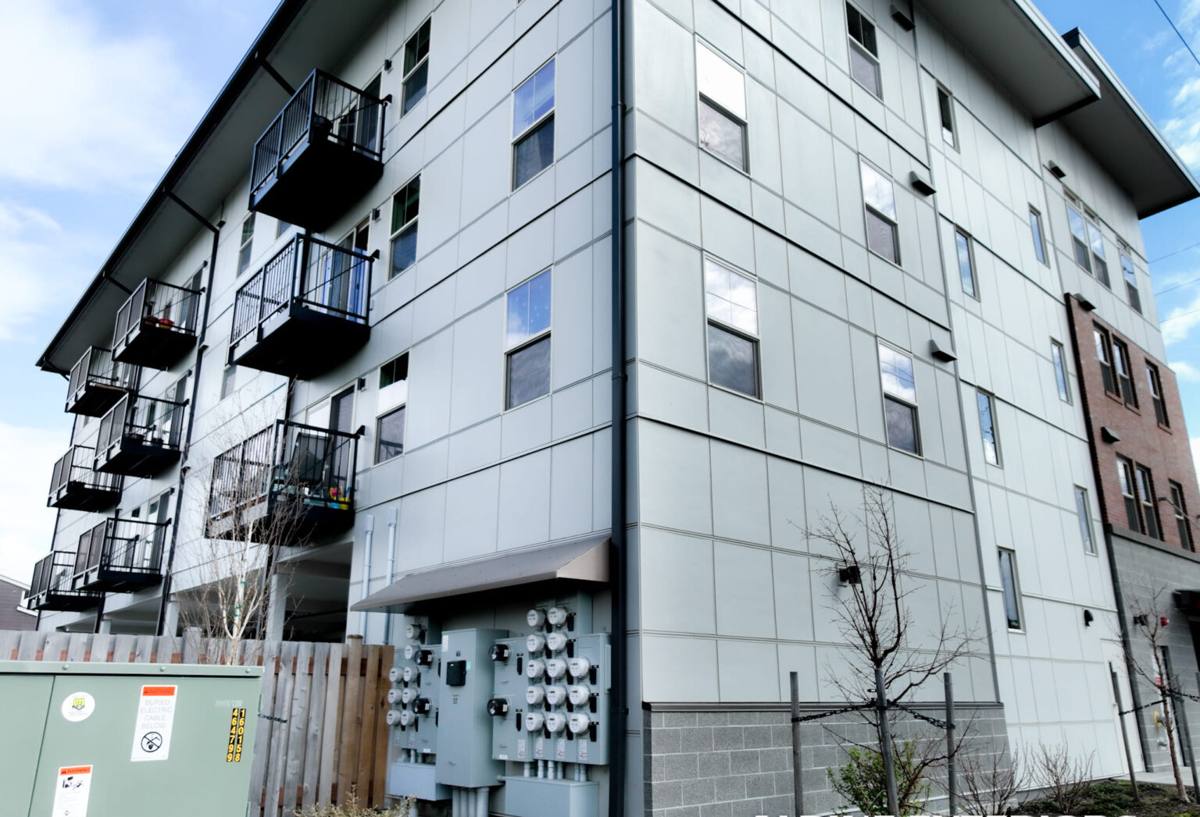
Why Homeowners Here Ask for Board & Batten
Board and batten shows up a lot in Cherry Point and around Birch Bay because it fits the area's mix of coastal cottages, newer builds, and remodeled ranch-style homes. The vertical board pattern reads as clean and modern on a contemporary remodel, but it also has deep roots in Pacific Northwest coastal architecture, so it doesn't look out of place next to older homes either. It pairs well with covered porches and gable accents, which are common features on Whatcom County waterfront and near-waterfront properties.
The practical appeal matters too. Vertical siding sheds driving rain differently than horizontal lap siding — water runs straight down the board face instead of catching on overlapping horizontal edges — which can be an advantage in a spot that gets as much wind-driven rain as Cherry Point does, provided the underlying water management is built correctly.
What Correct Board & Batten Construction Actually Involves
The Panel Layer
Board and batten isn't one solid board — it's a base panel (or a series of vertical boards) with narrower batten strips fastened over the seams. On a James Hardie system, that base layer is typically HardiePanel vertical siding, a factory-engineered fiber cement panel designed specifically to be installed this way. It's not a piece of flat siding pressed into a vertical layout after the fact; it's built for it, with the correct thickness and edge detailing to hold up to the fastening pattern battens require.
The Batten Layer
The battens themselves need consistent spacing, straight lines, and fasteners driven into framing or proper backing — not just into the panel face. Batten spacing that drifts even slightly is one of the fastest ways a board and batten job starts looking amateur, and inconsistent fastening is one of the fastest ways it starts failing behind the surface. We lay out batten spacing before a single fastener goes in, so the reveals stay even across the whole wall, including around windows, doors, and corners where the pattern is hardest to keep clean.
Water Management Behind the Siding
The part homeowners never see is the part that matters most in a climate like this one. A correct install includes a weather-resistant barrier, properly integrated flashing at every window, door, and roofline intersection, and rain-screen or drainage detailing where it's called for. In a location that takes as much wind-driven rain and salt spray as Cherry Point does, this layer is what actually keeps moisture from working its way behind the siding and into the wall assembly over time — the visible board and batten pattern is only half the job.
Why We Only Build This With James Hardie
Board and batten siding is also sold in vinyl, engineered wood, and other fiber cement brands, and we get asked about all of them. Here's our honest position: we don't install any of them, and it comes down to how each one holds up specifically to salt air, sustained moisture, and moss growth over years, not just how it looks on installation day.
- Vinyl board and batten is affordable and low-maintenance in the sense that it doesn't need paint, but it's a thinner, more flexible material that can warp or fade under sun and salt exposure, and its seams and battens are typically snapped or clipped together rather than mechanically fastened the way fiber cement is — which changes how well it resists wind-driven rain over time.
- Engineered wood (LP SmartSide and similar products) performs well in a lot of climates, but it's still a wood-based substrate. In a moss-prone, high-moisture environment like Cherry Point, any breach in the factory coating or a caulking failure at a seam gives moisture a path into a material that can swell or degrade if it stays wet.
- Other fiber cement brands use the same base chemistry as James Hardie but don't offer the same climate-engineered product lines, factory finish warranty, or track record we've come to trust for coastal Whatcom County installs.
James Hardie is non-combustible, dimensionally stable in wet-dry cycling, and available in HZ5 formulation engineered for the Pacific Northwest's wetter climate zone. The ColorPlus factory finish is baked on under controlled conditions rather than field-applied, which matters a lot in an area where paint jobs get tested hard by salt air and driving rain every winter. That combination is why it's the only board and batten system we put on Cherry Point homes.
Comparing the Options for a Salt-Air, High-Moisture Setting
| Factor | Vinyl Board & Batten | Engineered Wood | James Hardie Fiber Cement |
|---|---|---|---|
| Salt air resistance | Fades and becomes brittle over time | Coating can degrade with UV and salt exposure | Non-combustible, engineered for wet coastal climates (HZ5) |
| Moisture behavior | Doesn't rot, but seams can allow water intrusion | Wood-based substrate can swell if moisture reaches it | Dimensionally stable, resists moisture-related swelling |
| Finish durability | Color molded in, but fades and chalks with age | Factory-primed or coated, needs maintenance | Factory ColorPlus finish, backed by a separate finish warranty |
| Fastening method | Interlocking panels, less rigid attachment | Nailed, similar sensitivity to installation detail | Mechanically fastened, engineered for the batten system |
| Typical lifespan expectation | Shorter, especially in coastal exposure | Moderate, maintenance-dependent | Long-term, when installed and maintained to spec |
Our Process for a Cherry Point Board & Batten Project
- On-site assessment. We walk the home and look specifically at wind and rain exposure — which walls take the brunt of storms coming off the water, where moss has already established, and where the existing siding or sheathing shows signs of past moisture issues.
- Water management plan. Before we talk board patterns or colors, we plan the weather barrier and flashing details at every penetration — windows, doors, hose bibs, light fixtures, and roof intersections.
- Batten layout. We lay out batten spacing across each wall face so reveals stay consistent, adjusting the plan around openings and corners rather than fudging it once we hit them.
- Installation to manufacturer spec. Panels and battens go up with the fastening pattern, clearances, and sealant details James Hardie specifies — not a generalized fiber cement approach borrowed from lap siding.
- Finish and detail check. We check caulking, trim transitions, and factory-finish touch-ups before calling the job done.
Living With Board & Batten Through a Birch Bay Moss Season
Even the right material needs some homeowner attention in this environment. Moss and algae growth on north-facing or shaded wall sections is common in Whatcom County's damp fall-through-spring stretch, and while James Hardie's factory finish resists staining better than field-painted alternatives, it isn't immune to organic growth sitting on the surface for months. A periodic gentle rinse — not pressure-washing directly into seams or battens — keeps growth from taking hold and keeps the vertical lines looking sharp. It's also worth a visual check after major windstorms for any loosened trim or batten pieces, though a correctly fastened system shouldn't shift under normal coastal weather.
What to Ask Before You Hire for a Board & Batten Job
- Will the crew show you the batten layout plan before installation starts, not after?
- What weather-resistant barrier and flashing details are included behind the siding?
- Is the batten spacing planned around your windows and corners in advance?
- Does the quote specify James Hardie HardiePanel vertical siding by name, or just "fiber cement board and batten"?
- What does the manufacturer's product warranty cover versus the installer's workmanship warranty?
- Has the crew installed board and batten in Birch Bay or similar coastal Whatcom County conditions before?
Why a Crew That Already Works Cherry Point Matters
Board and batten installation detail doesn't change from neighborhood to neighborhood, but the exposure a given wall faces absolutely does. A crew that's worked other homes along this stretch of Birch Bay already knows which wall orientations catch the worst of the wind-driven rain off the water, how aggressively moss establishes on shaded elevations here compared to more inland Whatcom County properties, and how salt exposure tends to show up first at fastener heads and cut edges if they aren't sealed correctly. That local pattern recognition doesn't replace following the manufacturer's installation spec — it just means fewer surprises and a plan built around how this specific location behaves, not a generic coastal template.
If you're considering board and batten siding for a home in Cherry Point or elsewhere around Birch Bay, we're happy to walk the property, look at your specific exposure, and put together a straightforward, no-pressure estimate using the form below.