 Birch Bay Window
 Roof Repair Built for Cherry Point's Marine Climate
Cherry Point sits close enough to the water that homes here take a different kind of beating than roofs a few miles inland. Salt-laden air off the Strait of Georgia works on exposed metal year-round, driving rain off Birch Bay finds every weak seam during winter storms, and the long, wet Whatcom County shoulder seasons give moss and algae months to get established before anyone notices. A roof repair here isn't just patching a leak — it's addressing the specific combination of salt, wind, and moisture that this stretch of coastline throws at a house.
We've repaired roofs on homes throughout the Birch Bay area long enough to know that a fix that holds up in a drier climate can fail within a season or two out here if it doesn't account for those conditions. That's the standard we hold every Cherry Point repair to.
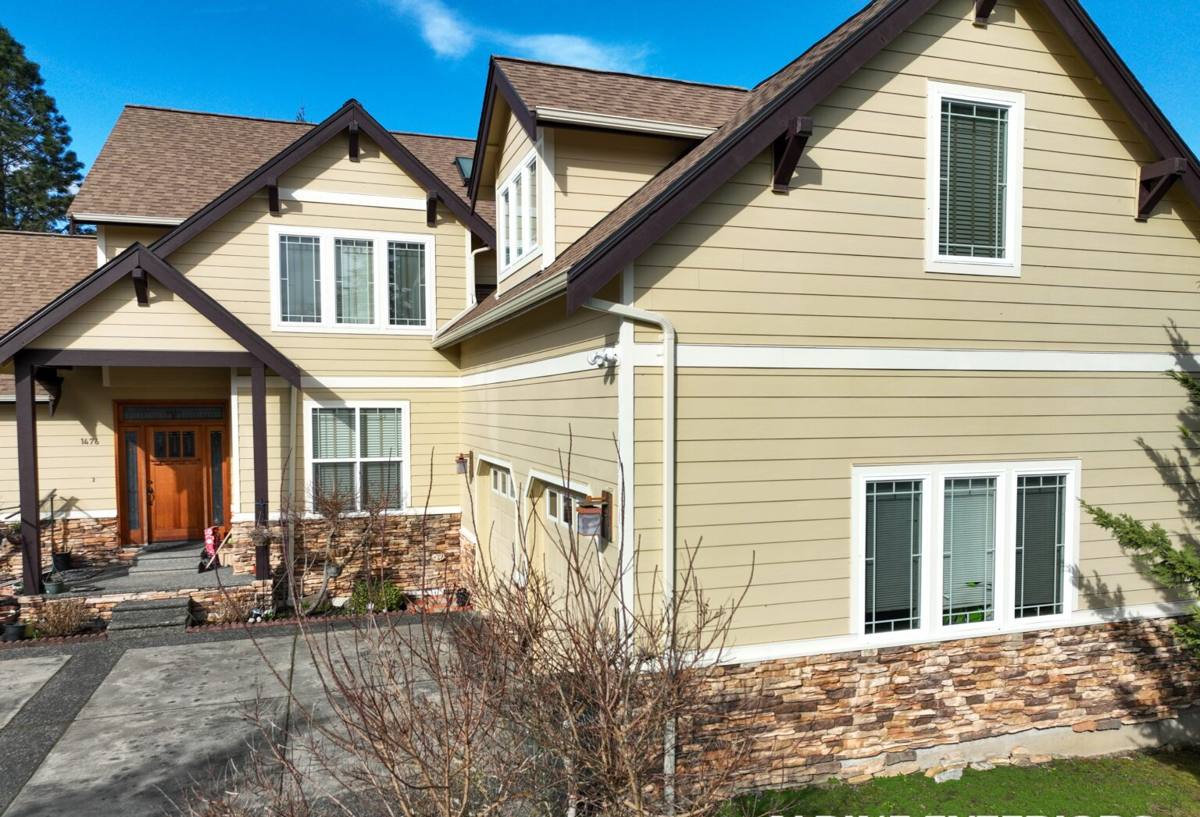
Common Roof Problems We See in Cherry Point Homes
Salt Air and Fastener Corrosion
Homes within a few miles of the water deal with accelerated corrosion on exposed fasteners, flashing, and metal roof edges. Standard galvanized nails and untreated flashing can start rusting years before they would inland, which shows up as staining, loosened shingles, or small leaks around penetrations like vent stacks and chimneys. When we repair a roof in a salt-exposed area, we pay close attention to what the original fasteners and flashing were made of and whether they're contributing to the problem.
Moss, Algae, and Trapped Moisture
Whatcom County's wet fall-through-spring stretch is long enough that moss and algae can take hold on north-facing slopes and shaded valleys within a couple of years, especially under tree cover. Moss doesn't just look bad — it holds moisture directly against the roofing material, lifts shingle edges as it grows, and creates a path for water to work its way underneath. By the time moss is visible from the ground, it's often already compromised the surface below it.
Wind-Driven Rain and Flashing Failures
Storms coming off the water don't just drop rain straight down — wind pushes it sideways and up under laps, edges, and flashing that would shed a calmer rain without issue. Most of the active leaks we find during repair calls trace back to flashing: around chimneys, skylights, dormers, and roof-to-wall transitions. These are the details that separate a repair that lasts from one that reopens with the next windstorm.
What a Correct Roof Repair Actually Involves
Diagnosis Before Patching
A leak rarely shows up directly above where the water is entering — it travels along the underlayment or framing before it drips through the ceiling. We start every repair by tracing the actual entry point, not just patching the spot where the stain appeared. That means checking the surrounding shingles or panels, the flashing details, the underlayment condition, and any signs of trapped moisture in the decking, not just sealing the visible symptom.
Matching Materials and Techniques
A repair should blend into the existing roof system, not fight it. That means matching shingle type, profile, and where possible color; using flashing metal and fasteners suited to a salt-air environment rather than whatever is cheapest; and tying new underlayment into old correctly so water sheds over laps instead of collecting behind them. A mismatched patch is often easy to spot from the ground and can actually create a new place for water to collect.
Addressing the Cause, Not Just the Symptom
If moss caused the failure, treating the moss and improving airflow or shade matters as much as fixing the shingle underneath it. If corrosion caused a flashing failure, replacing that flashing with a more corrosion-resistant option prevents a repeat call. We'd rather tell you what's actually driving the problem than sell you a patch that buys a year or two.
Our Roof Repair Process
- Inspection and diagnosis — we walk the roof (or use a ladder and binoculars where a walk-on inspection isn't safe or appropriate) to trace the leak or damage back to its actual source.
- Honest assessment — we tell you plainly whether this is a straightforward repair, a larger repair, or a situation where repair is throwing money at a roof that's nearing the end of its service life.
- Written estimate — scope, materials, and price before any work starts, no surprise add-ons once we're on the roof.
- Repair work — matched materials, corrosion-resistant fasteners and flashing where appropriate for this climate, and attention to the surrounding roof, not just the failure point.
- Final check — we confirm the repair sheds water correctly under the roof's actual slope and exposure before we consider the job done.
Repair vs. Replacement: How We Help You Decide
Not every roof problem in Cherry Point needs a full replacement, and not every leak is worth chasing with repeated patches. The right call usually comes down to a few honest factors.
| Factor | Leans Toward Repair | Leans Toward Replacement |
|---|---|---|
| Age of roof | Well within expected material lifespan | At or past expected lifespan for the material |
| Extent of damage | Isolated to one section or detail | Widespread across multiple slopes |
| Decking condition | Solid, no rot found during inspection | Soft spots or rot found in decking |
| Repair history | First or second repair in this area | Same area has been patched repeatedly |
| Moss/algae extent | Surface growth, treatable | Long-term growth with material breakdown underneath |
We'll always give you the straightforward read on which side of that table your roof falls on, and why.
Materials and Trade-offs for a Salt-Air, High-Moisture Climate
When a repair calls for replacing more than a small section, the materials used matter more here than in a milder climate. We factor in how each option handles sustained moisture exposure, salt air, and moss pressure over time.
| Consideration | What It Means for Cherry Point Homes |
|---|---|
| Fastener and flashing metal | Corrosion-resistant options hold up longer against salt air than standard galvanized hardware |
| Shingle or panel granule/coating quality | Better-rated products resist algae staining and moss anchoring longer |
| Underlayment | A quality underlayment is cheap insurance against the wind-driven rain that gets under laps |
| Ventilation | Proper attic airflow reduces the trapped moisture that accelerates decking rot from underneath |
We're not going to tell you a cheaper option is unusable — but we will tell you honestly where it's likely to cost you more in maintenance or shortened lifespan out here near the water, so you can weigh that against the upfront price.
Seasonal Maintenance Checklist for Cherry Point Homeowners
Between repairs, a little regular attention goes a long way toward avoiding an emergency call during the next winter storm off Birch Bay.
- Check for moss or algae growth on shaded and north-facing slopes each spring and fall.
- Clear gutters and downspouts before the fall rains pick up — clogged gutters back water up under roof edges.
- Look for lifted, cracked, or missing shingles after any significant windstorm.
- Watch for staining on interior ceilings near chimneys, skylights, or roof valleys, which often signals a slow flashing leak.
- Trim back overhanging branches that keep sections of the roof shaded and slow to dry.
- Have flashing around penetrations inspected every few years, since it's the most common failure point in wind-driven rain.
Why a Crew That Already Works Cherry Point Matters
Roofing crews that mostly work inland don't always think about salt-air corrosion or moss pressure as first-order concerns, because they don't deal with them every day. Working roofs in and around Birch Bay and Cherry Point regularly means we're used to diagnosing the specific failure patterns this coastline produces — and we carry the right fasteners, flashing, and material knowledge for it as a matter of course, not an afterthought. That familiarity is often the difference between a repair that holds through the next storm season and one that needs a second visit.
We're also simply easier to reach when something comes up. A roof leak during a winter storm isn't the time to be working with a contractor who's an hour or more away and unfamiliar with local conditions.
Get a Straightforward Look at Your Roof
If you're dealing with a leak, visible moss, storm damage, or you just want an honest opinion on where your roof stands, we're happy to take a look. The estimate is free, there's no pressure to move forward, and you'll get a plain explanation of what we find and what it would take to fix it — use the form below to get started.