 Birch Bay Window
 Storm Damage Roofing in a Salt-Air, High-Moss Climate
Cottonwood Beach sits close enough to the water that every roof in the neighborhood deals with a combination most inland homes never face: salt-laden wind off the bay, driving winter rain that comes in sideways during a real blow, and a moss season that runs longer here than it does even a few miles inland. Any one of those on its own is manageable. Together, they shorten the working life of roofing materials and turn small storm damage into bigger problems faster than homeowners expect.
When a windstorm rolls through Whatcom County, the roofs that take the worst of it are usually the ones already weakened by months of moss growth holding moisture against the shingles, or by salt air slowly breaking down fasteners and flashing. Storm damage repair here isn't just about patching what the wind tore loose — it's about understanding why that spot failed first, and making sure the repair holds up through the next storm, not just this one.
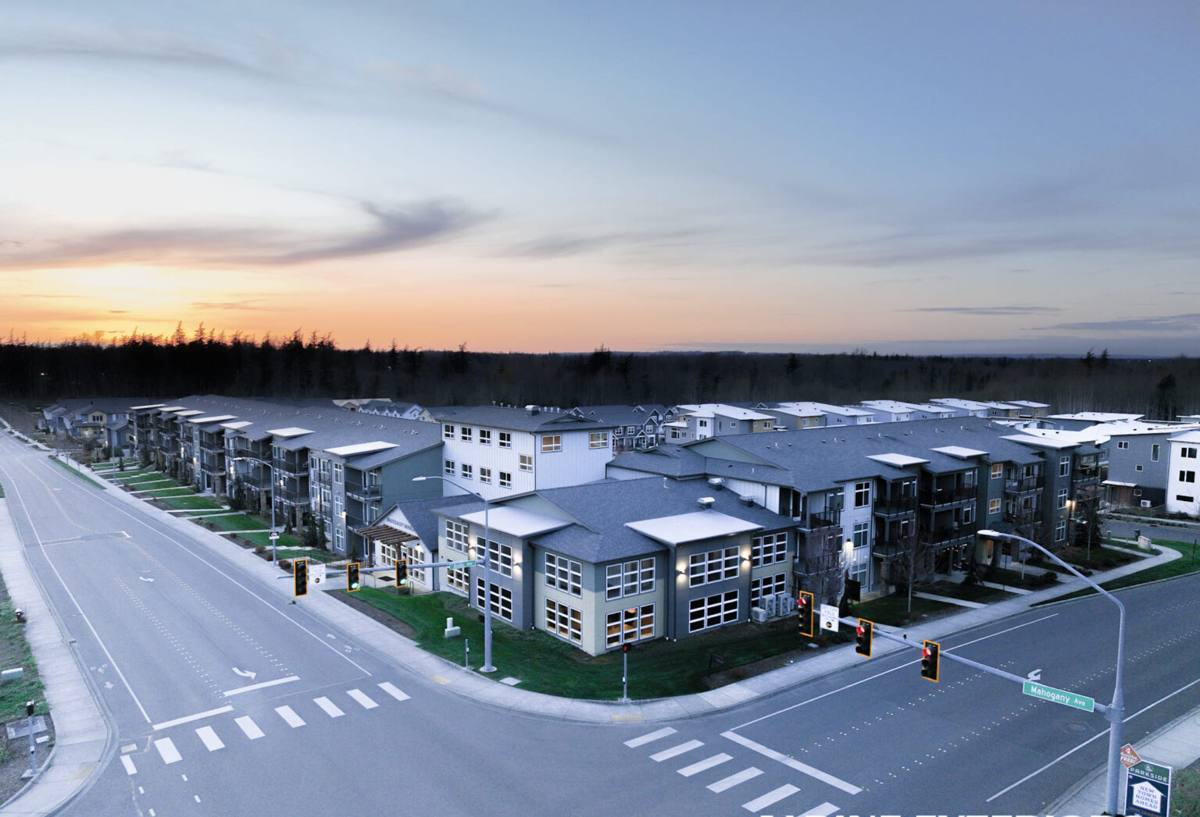
What Storm Damage Actually Looks Like on a Cottonwood Beach Roof
Not all storm damage announces itself with a hole in the roof. A lot of the damage we get called out for in this area is subtle at first and gets worse if it sits through another wet season.
Wind Damage
Gusts off the water can lift shingle edges, crease them, or tear them off outright. Even when shingles stay in place, repeated flexing during a storm breaks the seal strip underneath, which means the shingle looks fine from the ground but is no longer watertight. That's the kind of damage that leads to a slow leak showing up weeks later, nowhere near where you'd expect.
Wind-Driven Rain Intrusion
Because storms here often come with sustained horizontal rain, water gets pushed up and under roofing edges, around chimneys, and through any flashing that's already loose or corroded from salt exposure. This is different from a simple leak — it's water finding its way in against gravity, which means the entry point and the interior stain often aren't in the same spot.
Moss and Debris Damage
Storms knock branches and debris loose, but they also expose moss mats that have been growing under the surface all season. When that moss gets soaked and then whipped by wind, it can pull granules off the shingle surface or tear moss-anchored shingles loose entirely, taking a piece of the roofing material with it.
Flashing and Fastener Failure
Salt air accelerates corrosion on exposed metal — nail heads, flashing edges, vent boots. A storm often doesn't damage the flashing itself; it just finishes the job that months of salt exposure already started, popping loose a fastener that was barely holding on.
Why Fast, Correct Assessment Matters More Here
In a marine climate like Birch Bay's, the gap between "storm damage" and "storm damage plus water intrusion" can be a matter of days, not weeks. A shingle that's lifted but not leaking today can be leaking after the next rain event if it isn't sealed back down or replaced. We treat storm calls in Cottonwood Beach as time-sensitive for that reason — not to upsell urgency, but because the region's rain frequency doesn't give a damaged roof much of a dry window to wait in.
A proper assessment covers more than the obvious damage point. We check the full roof plane, not just the area a homeowner spotted from the yard, because wind damage on one section often means stress on the whole roof, and because moss-related weak spots elsewhere may have been exposed by the same storm even if they haven't failed yet.
What a Thorough Storm Inspection Includes
- Full roof walk (weather permitting) or ladder-and-binocular assessment when the roof surface isn't safe to walk
- Check of all shingle seal strips near the damaged area, not just the torn or missing shingles
- Flashing inspection at chimneys, vents, valleys, and any roof-to-wall transitions
- Attic check from the inside for water staining, damp insulation, or daylight where there shouldn't be any
- Moss and debris assessment across the whole roof, since storm winds often expose problems that predate the storm
- Gutter and downspout check, since storm debris commonly clogs drainage and backs water up under the roof edge
- Photo documentation for insurance purposes, whether or not a claim is ultimately filed
How We Approach the Repair
Once we know what's actually damaged, the repair itself follows a straightforward sequence, but the details matter more in this climate than in a drier one.
1. Tarping and Temporary Protection
If there's active water intrusion or exposed decking, the first priority is getting the roof watertight, even temporarily, before the next rain arrives. This isn't the fix — it's buying time to do the repair correctly instead of rushing it.
2. Removing and Replacing Damaged Material
Torn or missing shingles get replaced, not just patched over. Where moss has degraded the surrounding shingles, we replace those too rather than leaving compromised material next to new material — mixing old, moss-weakened shingles with fresh ones just creates a weak seam.
3. Flashing and Fastener Correction
Given how fast salt air corrodes exposed metal here, we use corrosion-resistant fasteners and flashing components suited to a marine environment rather than standard-grade hardware. It costs a little more up front and saves a repeat call two winters later.
4. Sealing and Reinforcing Seal Strips
Shingles that were lifted but not torn often need their seal strips manually re-set or reinforced, since wind can break the adhesive bond without visibly damaging the shingle. Skipping this step is one of the most common reasons a "repaired" roof leaks again in the next storm.
5. Moss Treatment as Part of the Repair
Because moss contributed to the failure in the first place, we treat and clear moss in the repair area — and flag other areas of the roof where moss growth is heading toward the same problem — rather than repairing the damage and leaving the underlying cause in place.
Cost Factors for Storm Damage Repair
Every roof and every storm is different, so we won't quote a number without seeing the damage. But the factors that move the price up or down are consistent, and it helps to know them before we're standing on your roof.
| Factor | Why It Matters |
|---|---|
| Extent of shingle damage | A handful of lifted shingles is a different job than a section stripped by wind |
| Flashing condition | Salt-corroded flashing often needs full replacement, not just resealing |
| Roof pitch and access | Steeper roofs and limited access add labor and safety equipment time |
| Underlying moss damage | Repairs done over moss-compromised decking or shingles need more prep work |
| Water intrusion depth | Damage that reached the decking or insulation costs more to correct than surface-only damage |
| Insurance involvement | Documentation and claim coordination can add time but shouldn't add homeowner cost |
Insurance and Storm Claims
Most storm damage repair in this area involves a homeowner's insurance policy, and Whatcom County's storm patterns mean local adjusters have seen plenty of wind and water-intrusion claims from this stretch of coastline. We document damage thoroughly — photos, notes on cause, and a clear description of what's storm-related versus what's pre-existing wear — so the claim has what it needs without guesswork. We're not a public adjuster and won't promise a claim outcome, but a clean, honest damage report makes the process faster on your end.
What to Do Before We Arrive
- Photograph visible damage from the ground if it's safe to do so — don't get on the roof yourself
- Note the date and approximate time of the storm event for your records
- Check the attic or top-floor ceilings for staining or dampness and note the location
- Clear obvious debris from gutters at ground level only if it's easily reachable
- Avoid DIY roof patching — a poorly sealed temporary fix can complicate both the repair and the insurance assessment
Why Local Experience in Cottonwood Beach Matters
A roofing crew that only occasionally works this stretch of Whatcom County coastline will treat every storm call the same way they would inland. A crew that works Cottonwood Beach and the wider Birch Bay area regularly knows which roof orientations take the worst of the bay wind, which material choices hold up against salt exposure over the long run, and how aggressive the moss season here really gets compared to areas even ten or fifteen miles inland. That local pattern recognition shows up in faster, more accurate assessments and repairs that account for what's coming next season, not just what already happened.
We also know the practical side of working this neighborhood — road access after a storm, typical roof ages and materials in the area's housing stock, and how quickly conditions can turn during a follow-up visit. None of that is complicated, but it's the kind of familiarity that only comes from doing the work here repeatedly.
Preventing the Next Round of Storm Damage
Storm damage repair is a good moment to address the conditions that made the damage worse than it needed to be. If moss was a contributing factor, a broader moss treatment and a plan for regular clearing will reduce how much damage the next storm can do. If flashing failed because of salt corrosion, upgrading to marine-grade components elsewhere on the roof — not just at the repair site — is worth discussing, especially on roofs approaching the back half of their expected lifespan. We'll point out anything we see that's heading toward a future problem, without pushing work that isn't needed yet.
Get a Straightforward Look at Your Roof
If a recent storm left your Cottonwood Beach roof with missing shingles, a new leak, or damage you're not sure how to read, we're glad to come take a look. We'll give you a clear, no-pressure estimate and an honest read on what's storm damage, what's pre-existing wear, and what can wait. Reach out using the form below to schedule a free estimate.