 Birch Bay Window
 Windows Built for Life Near the Water
Lummi Island sits close enough to the water that its homes take a different kind of beating than houses just a few miles inland in Whatcom County. Salt-laden air moves through window frames and hardware year-round, driving rain comes in sideways off the water during winter storms, and the long, damp shoulder seasons keep everything from siding to sills wet longer than homeowners expect. Windows here don't fail because they're old — they fail because they were never matched to this specific exposure in the first place.
We install custom windows for homes on and around Lummi Island regularly, which means we've seen what actually holds up out here and what doesn't. This page walks through what that looks like in practice: the climate factors that matter, what a correct installation involves, how our process runs, and what to ask before you hire anyone for this kind of work.
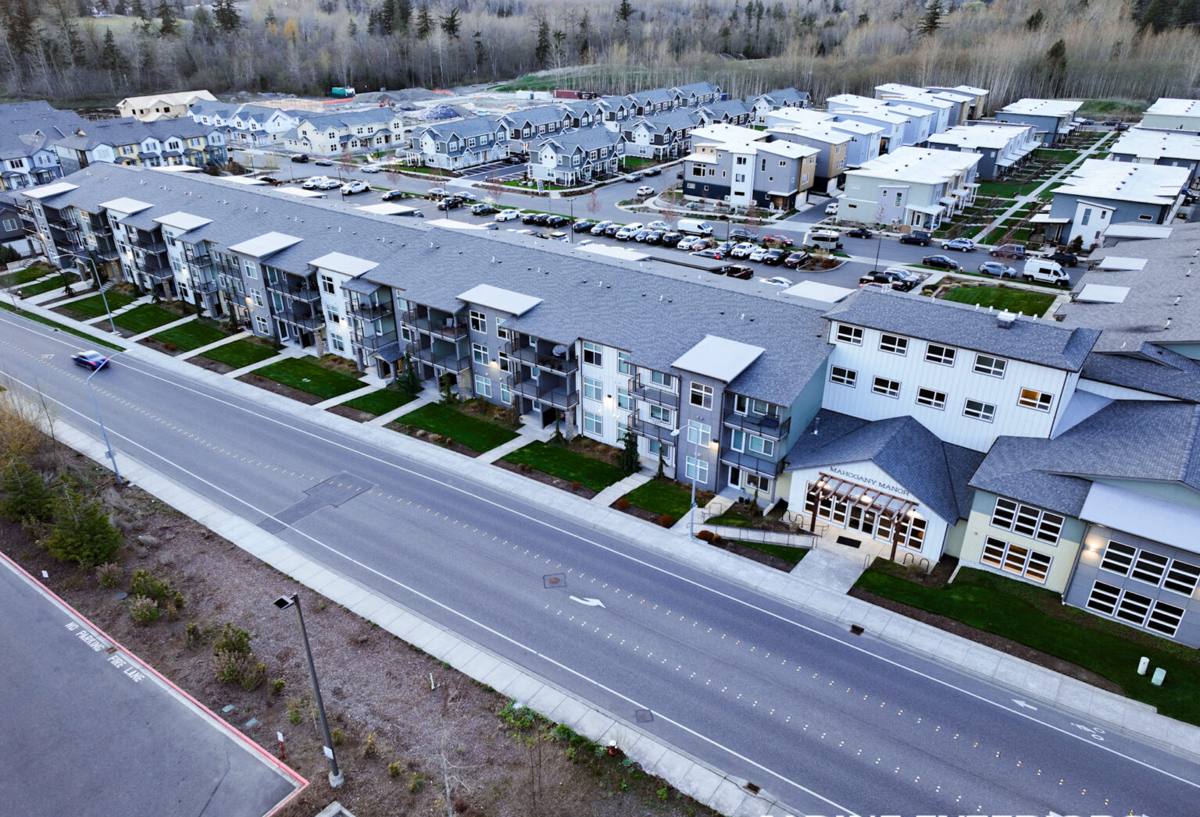
What Salt Air, Driving Rain, and Moss Actually Do to Windows
Salt Air and Hardware
Airborne salt is corrosive to unprotected metal, and window hardware — hinges, locks, balance systems, screen frames — is often the first thing to show it. Cheaper hardware finishes pit and seize up within a few years in a marine-exposed location like Lummi Island. This doesn't always show up as a visible problem right away; it shows up as a window that gets harder to open, a lock that starts to stick, or a screen frame that corrodes faster than the sash around it.
Wind-Driven Rain
Rain that comes straight down is relatively easy for any window to shed. Rain that's being pushed sideways by wind off the water is a different test — it finds gaps in flashing, worn weatherstripping, and poorly sealed nailing flanges that would never leak in a more sheltered inland location. A window that's rated and installed correctly for wind-driven rain has proper head flashing, correctly lapped water-resistive barrier details, and sealant placed where it actually does something, not just at the visible trim line.
Moss and Prolonged Dampness
Whatcom County's long wet season means wood trim, sills, and any organic debris trapped around a window stay damp for extended stretches. That's exactly the environment moss and mildew need. Moss holding moisture against wood trim or an improperly sealed sill is a slow, quiet way for rot to start — usually noticed only once it's already advanced under paint or caulking that looked fine from a few feet away.
What a Correct Window Job Looks Like Out Here
A window replacement or new install on Lummi Island needs to address all three of the above, not just look good on installation day. That means:
- Frame and cladding materials chosen for marine exposure, not just the regional default
- Corrosion-resistant hardware — hinges, cranks, locks, and screen frames rated for coastal use
- Full flashing integration with the existing wall assembly, not just caulk around the trim
- Sill pans or sloped sills that actually direct water back out, rather than letting it pool
- Weatherstripping and seals sized for wind-driven rain, not just draft control
- Trim details that don't trap moisture or debris where moss can take hold
Skipping any one of these doesn't usually cause an immediate problem. It shows up two, five, or eight years later as a soft sill, a corroded lock, or a stain on the interior wall below a window that "never leaked before."
Material and Frame Choices That Make Sense Here
There's no single "best" window material for every home — it depends on your home's exposure, your budget, and how much maintenance you want to take on. Here's how the common options actually compare for a Lummi Island installation:
| Frame Material | Salt Air Behavior | Maintenance | Notes for This Area |
|---|---|---|---|
| Vinyl | Doesn't corrode; UV can fade dark colors over time | Low | Good value option; hardware quality varies a lot between manufacturers |
| Fiberglass | Very stable in salt air and temperature swings | Low | Strong choice for direct water-facing exposures |
| Aluminum-clad wood | Cladding protects wood but seams need good detailing | Medium | Attractive option; installation quality matters more here than most areas |
| Solid wood | Attractive but vulnerable without diligent upkeep | High | We're honest about the maintenance burden in a marine climate before recommending it |
We won't push a homeowner toward solid wood on a heavily exposed, water-facing wall without a clear conversation about upkeep — not because wood is a bad product, but because the maintenance schedule needed to keep it sound in this specific exposure is real, and it's our job to say so upfront rather than let you find out the hard way.
Glass and Seal Considerations
Double-pane, low-E glass is standard for this region regardless of frame material, and it helps with both energy performance and condensation control — which matters when interior humidity meets cold glass during our wetter months. The insulated glass unit's edge seal is worth asking about specifically: a poor edge seal is often what fails first in a marine climate, showing up as fogging between the panes years before the rest of the window shows wear.
Our Installation Process
Every window job starts the same way, whether it's one window or a whole home:
- On-site assessment. We look at existing framing, flashing condition, and any signs of past water intrusion before recommending anything.
- Product selection conversation. We walk through frame material, glass package, and hardware options based on that specific wall's exposure — a water-facing window and a sheltered one on the same house may get different recommendations.
- Removal and opening prep. Old windows come out carefully so we can inspect the rough opening and sill for hidden rot before anything new goes in — a step that's often skipped by crews trying to move fast.
- Flashing and sill correction. Any damaged sheathing or flashing gets addressed here, not covered over. This is the step that actually determines whether the new window stays dry.
- Window installation and shimming. Set plumb, level, and square, with proper shim placement so hardware doesn't bind and seals compress evenly.
- Sealing and weatherproofing. Sealant goes where it does structural work — integrated with the flashing plan — not just as a cosmetic bead around the trim.
- Interior and exterior trim finish. Trim is finished to shed water and resist the moisture and moss buildup that's common in this climate.
- Final walkthrough. We test operation, check seals, and go over care basics specific to a coastal Whatcom County property.
Signs Your Current Windows Are Losing the Fight
Homeowners on Lummi Island often live with early warning signs longer than they need to, mostly because the symptoms are gradual. Worth checking for:
- Hardware that's stiffer to operate than it used to be, or visible pitting on hinges and locks
- Moss or dark staining building up on sills or trim, especially on north- or water-facing walls
- Soft or spongy trim when pressed near the bottom corners of a window
- Fogging or a hazy band between panes — a sign the insulated glass seal has failed
- Drafts or whistling during wind events, particularly storms with wind-driven rain
- Visible daylight or gaps around the frame from the interior
Any one of these on its own isn't an emergency, but they're worth a second look before the next wet season rather than after.
Why It Matters That We Already Work This Area
A crew unfamiliar with Lummi Island's specific exposure will often install a window correctly by general standards and still get a callback in a few years, because "correct" here has to account for salt air and wind-driven rain that a more sheltered Whatcom County job wouldn't see. Working this area regularly means we already know which details — flashing laps, hardware finishes, sill slope — need extra attention here versus a standard inland install, and we don't have to relearn that on your home.
It also means we understand the practical side of working on the island: coordinating material deliveries, working around ferry or access logistics if relevant to your property, and scheduling around the weather windows that actually make sense for exterior work in this climate.
Maintenance That Actually Extends Window Life Here
New windows still need some upkeep in this environment — it's just lighter than what older or poorly matched windows demand. A few habits go a long way:
- Rinse hardware and tracks periodically to clear salt residue, especially after storm events
- Keep sills and trim clear of debris and moss buildup rather than letting it accumulate over a season
- Check exterior sealant annually for cracking or separation, particularly on water-facing walls
- Operate windows through their full range a few times a year so hardware doesn't seize from disuse
Getting Started
If you're dealing with sticking hardware, drafts, fogged glass, or you're just planning ahead for a home on or near Lummi Island, we're glad to take a look and give you an honest read on what your windows need — no pressure, no upsell. Use the form below to request a free estimate, and we'll talk through options that actually fit your home's exposure and your budget.