 Birch Bay Window
 Windows Built for Lynden's Weather, Not Just the Showroom
Lynden sits inland from Birch Bay, but it doesn't escape the weather pattern that defines this corner of Whatcom County. The same wet Pacific systems that dump driving rain on the coast push inland over the farmland and river bottoms around Lynden, and the moisture just settles in differently — more standing humidity, more shaded north walls that never fully dry out, longer stretches where moss and algae get a foothold on siding, trim, and window sills. Homes here deal with fewer salt-laden gusts than a place sitting right on the water, but they take on just as much sustained moisture over the course of a Whatcom County winter, and that moisture is what actually damages a window — not one big storm, but months of it working into gaps, sills, and frame joints that weren't sealed correctly the first time.
A custom window job in Lynden isn't about picking a prettier window. It's about specifying and installing units that are matched to the actual opening, the actual wall assembly, and the actual exposure of that specific home — then flashing and sealing the installation so water has nowhere to go but back outside.
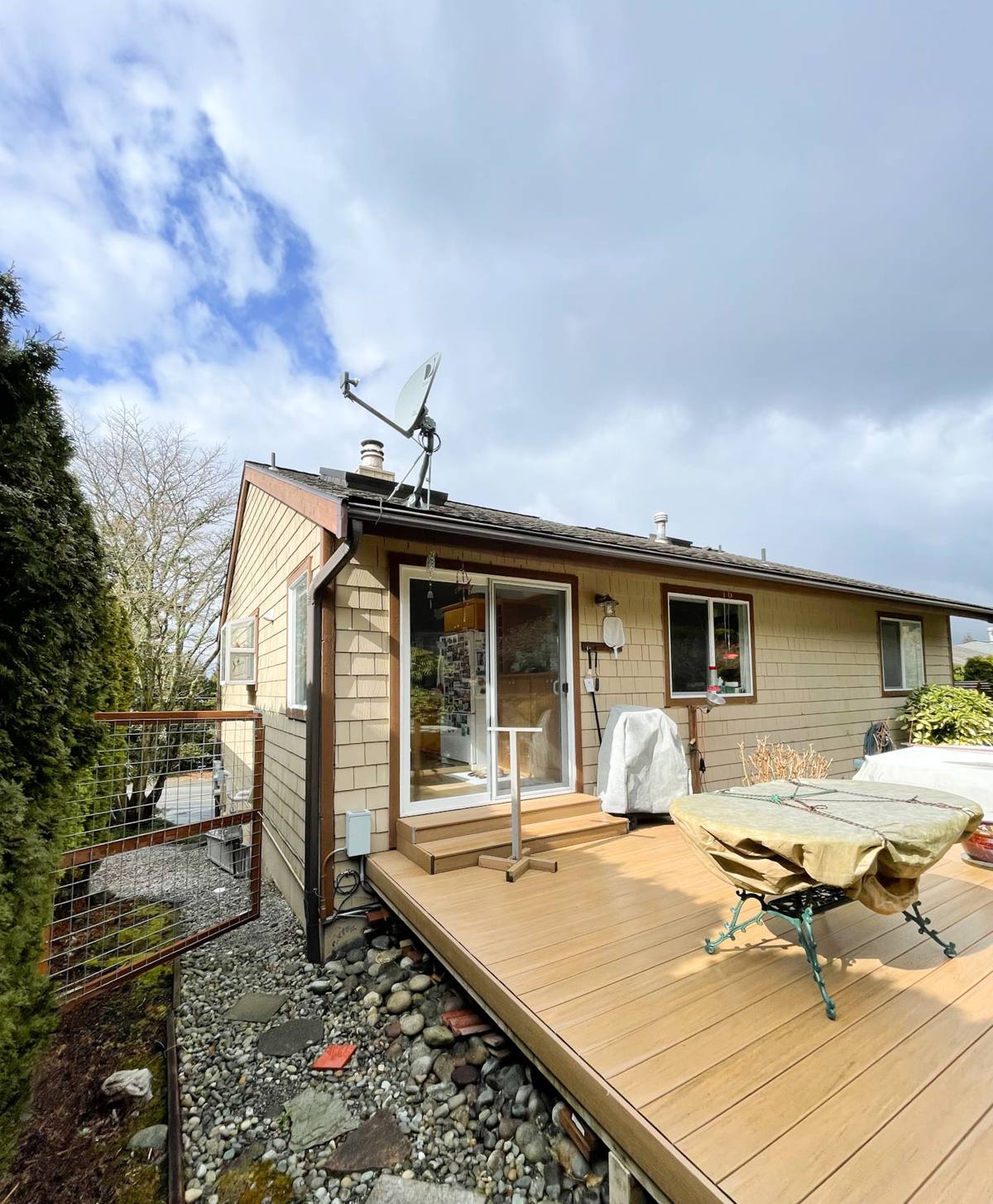
What "Custom" Actually Means Here
"Custom" gets used loosely in this trade. For us it means two things, and both matter in Lynden:
1. Sized and configured to the opening, not the catalog
Older Lynden farmhouses, remodeled ranch homes, and newer construction all have openings that don't match today's standard window sizes. A true custom window is built to the rough opening you have, or the opening is corrected to a size that lets the window install with proper clearance and flashing — not shimmed, packed, and caulked into a gap that's slightly wrong on every side.
2. Matched to the wall's exposure and orientation
A north-facing window under an eave that never sees direct sun behaves completely differently over ten years than a south-facing window on an open wall. In Lynden's climate, shaded and low-airflow walls are where moss, mildew, and slow rot show up first. Custom specification means choosing frame material, glazing, and sill design with that exposure in mind — not installing the same window on every side of the house because it's easier to order.
Signs Your Current Windows Are Losing the Fight
Most window failure in this region is gradual, and homeowners often live with early warning signs for a year or two before calling anyone. Worth checking for:
- Soft or discolored wood at the bottom corners of the sill or exterior trim
- Persistent condensation between the panes (a sign the seal on a double- or triple-pane unit has failed)
- Green or black growth on the sill, especially on shaded or north-facing windows
- Visible daylight or a draft you can feel around the frame when it's windy
- Paint that keeps bubbling or peeling in the same spot no matter how often it's redone
- Windows that are noticeably harder to open, close, or lock than they used to be
Any one of these on its own isn't an emergency. Several of them on the same window, or the same symptom showing up on multiple windows on one wall, usually means water is getting in somewhere and it's worth a real look before it reaches the framing.
The Install Details That Actually Prevent Failure
The window unit itself is maybe a third of what determines whether a window lasts. The other two-thirds is the installation — and in a climate that stays wet for months at a time, installation quality is where most of the long-term difference shows up.
Flashing and drainage
Water that gets behind the exterior cladding needs a planned path back out, not a hope that caulk alone stops it. That means correctly lapped flashing tape at the sill and jambs, a sloped sill pan so any water that does get in drains forward instead of pooling, and head flashing that sheds water over the window rather than into the wall cavity above it.
Sealant that's rated for this climate
Cheap or improperly applied sealant is one of the most common failure points we see on re-do jobs. It needs to stay flexible through freeze-thaw cycles and repeated wet-dry swings without cracking, and it needs to be applied in the right sequence relative to the flashing — sealant is a backup to good flashing, not a replacement for it.
Insulation around the frame
Gaps around a window frame that are left empty, or overpacked with the wrong material, create both a thermal weak point and a place for condensation to form inside the wall. Low-expansion foam or backer rod sized correctly for the gap keeps the frame stable without bowing it.
Frame Material Comparison for Lynden Conditions
| Frame Material | How It Handles Moisture | Maintenance | Where It Fits Best |
|---|---|---|---|
| Vinyl | Won't rot; seams and welds are the main moisture concern over time | Low — occasional cleaning | Most homes; strong value on north-facing and shaded walls |
| Fiberglass | Very stable in wet-dry cycling, minimal expansion/contraction | Low | Exposed walls, larger custom openings, homes wanting a longer service life |
| Wood (clad exterior) | Interior wood warmth with a protected exterior face, but any breach in the cladding exposes wood to rot | Higher — exterior cladding and seals need periodic inspection | Homes prioritizing interior wood appearance, willing to keep up with upkeep |
| Aluminum | Doesn't rot but conducts cold and can condensate without a thermal break | Moderate | Limited use residentially here; usually specialty or commercial applications |
We don't install every material on every job. If a frame choice doesn't make sense for a given wall's exposure or a homeowner's maintenance expectations, we'll say so up front rather than sell whatever's easiest to install.
Our Process
- On-site assessment — we look at the actual opening, the wall assembly, current window condition, and exposure before recommending anything.
- Custom measurement and specification — sizes, frame material, glazing package, and flashing plan are set for that specific opening.
- Removal and opening prep — old units come out, and we inspect the framing and sheathing underneath for hidden moisture damage before anything new goes in.
- Flashing and sill pan installation — done in the correct sequence, not skipped or shortcut to save time.
- Window installation and sealing — set, shimmed, insulated, and sealed to spec.
- Interior and exterior trim finish — matched to the home, sealed against moisture entry.
- Final walkthrough — operation, locking hardware, and seals checked with the homeowner before we consider the job done.
Why It Matters That We Already Work in Lynden
A crew that regularly works Whatcom County jobs already knows what a Lynden opening tends to look like on a home built in a given era, what the common framing quirks are on remodels versus original construction, and how bad a shaded north wall's moisture problem usually is by the time someone calls. That's not a marketing point — it changes what gets caught during the on-site assessment. A crew unfamiliar with the region is more likely to install a window correctly on paper and still miss a local-specific detail, like how much drainage a particular sill design needs given how long this area stays wet each winter.
Cost Factors for a Lynden Custom Window Job
| Factor | Why It Moves the Price |
|---|---|
| Opening condition | Rot or framing damage found during removal adds repair scope before a new window can go in |
| Frame material | Vinyl, fiberglass, and clad-wood carry different material costs and labor time |
| Number and size of openings | Larger custom sizes and multi-window projects have different labor and material scaling than a single standard swap |
| Access and site conditions | Second-story windows, tight setbacks, or landscaping in the way affect labor time |
| Glazing package | Standard double-pane versus upgraded low-E or triple-pane glass changes both cost and long-term energy performance |
We give a broad range on the phone at most, and a real number after we've actually seen the opening. Anyone quoting a firm price on custom windows sight-unseen is guessing.
Keeping New Windows Performing Year-Round
- Clear debris and moss from sills and tracks each fall before the wet season sets in
- Check exterior caulk lines annually, especially on shaded or north-facing windows
- Keep gutters and downspouts clear so runoff isn't pooling near window heads
- Operate locking hardware a few times a year, even on windows you rarely open, so mechanisms don't seize
- Watch for early condensation between panes — it's the clearest sign a seal has started to fail
None of this replaces a correct installation, but it's what keeps a well-installed window performing for its full service life instead of quietly losing ground each winter.
If you're dealing with drafty, foggy, or failing windows on a Lynden home — or planning new construction and want the openings specified correctly from the start — we're happy to take a look and give you a straight, no-pressure estimate. There's no charge for the visit and no obligation to move forward.