 Birch Bay Window
 Deck Building for Terrell Creek, Built for the Water It Sits Near
Terrell Creek sits close enough to the water that its homes get the full package of Whatcom County coastal weather — salt-laden air blowing off Birch Bay, driving rain that comes in sideways more often than straight down, and a moss season that can run most of the fall through spring. A deck built here has to handle all three at once, year after year, or it starts failing in places you can't see until the damage is already done. This page is about what that actually takes: the materials, the framing details, and the build process that hold up specifically in this location.
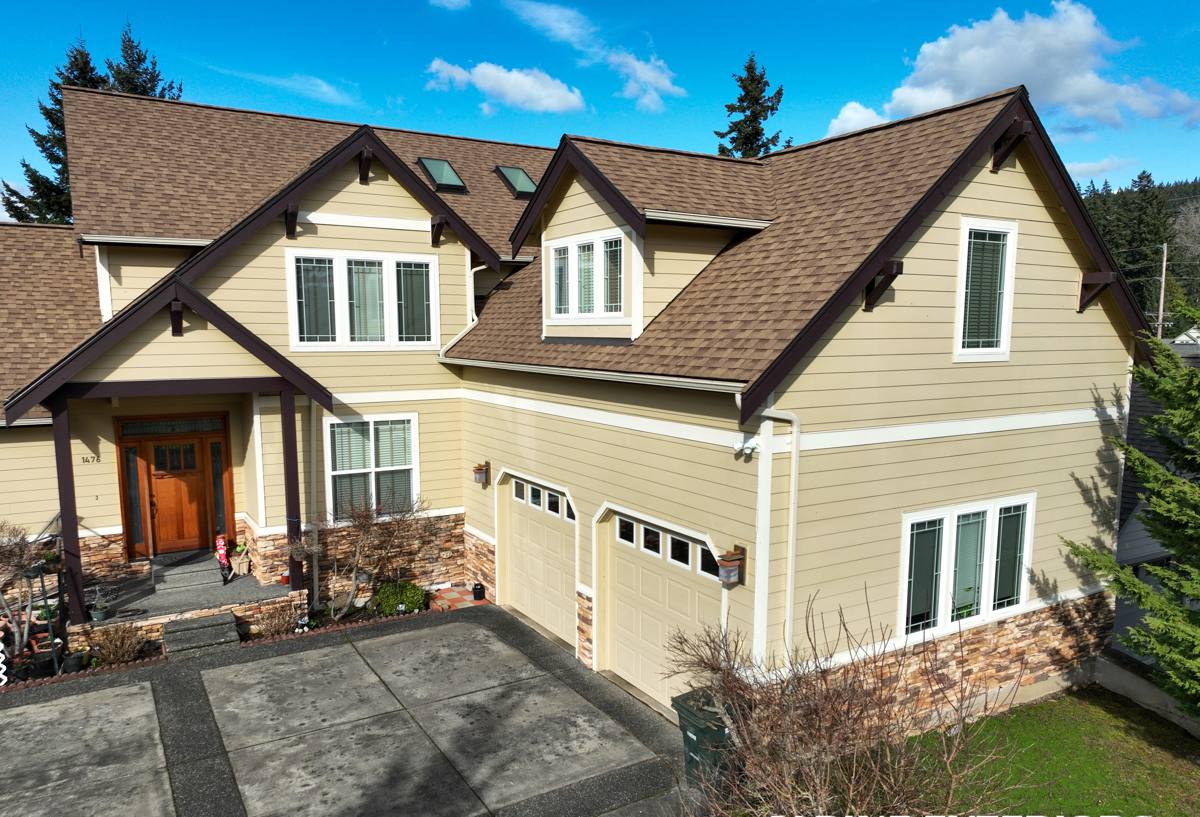
What Terrell Creek's Climate Actually Does to a Deck
Every coastal deck fails for roughly the same reasons, but the order and speed depend on the site. Understanding the mechanism matters more than knowing the general risk, because it changes what you should be paying attention to during and after the build.
Salt Air and Metal Fasteners
Airborne salt accelerates corrosion on anything metal — nails, screws, joist hangers, bolts, and the hidden fastener systems used with composite decking. A fastener that's rated for a dry inland climate can start rusting within a few seasons this close to the water. Rust doesn't just look bad; it weakens the connection at exactly the point where the deck depends on it most, and by the time it's visible on the surface, the fastener underneath is often already compromised.
Driving Rain and Water Management
Wind-driven rain doesn't behave like a normal shower. It gets pushed sideways under railings, into ledger connections, and between deck boards that aren't spaced or sloped correctly. On a deck attached to the house, the ledger board and its flashing are the single most important detail for keeping that water out of the wall assembly rather than just off the deck surface.
Moss Season and Surface Traction
Whatcom County's wet season is long, and shaded or north-facing decks in Terrell Creek can stay damp for weeks at a stretch. That's exactly the condition moss and algae need. Beyond the cosmetic issue, moss on a walking surface is a real slip hazard on stairs and ramps, and it holds moisture against the board surface longer than open air would, which shortens the life of the material underneath it.
Choosing Decking Material for This Location
There's no single "best" decking material — there's a best fit for a given site, budget, and maintenance appetite. Here's how the common options actually perform in a salt-air, high-moisture environment like Terrell Creek.
| Material | Moisture & Salt Air Behavior | Moss/Algae Resistance | Maintenance |
|---|---|---|---|
| Pressure-treated wood | Good if properly sealed and re-sealed; untreated cut ends are a weak point | Low — porous surface holds moisture, needs regular cleaning | Annual cleaning and re-sealing |
| Cedar | Naturally rot-resistant, but still needs sealing near salt air | Moderate — better than treated pine but still needs upkeep | Periodic cleaning and finish renewal |
| Composite decking | Very good — doesn't absorb water or rust from salt exposure the way wood or bare metal does | Moderate to good depending on the cap/finish; can still grow surface algae in constant shade | Low — occasional washing |
| PVC/capped polymer | Excellent — fully sealed surface, no wood fibers to hold moisture | Good — smooth cap sheds moisture faster | Low — occasional washing |
Composite and PVC decking cost more up front, but on a shaded, salt-exposed lot the reduced maintenance and resistance to rot often make them the more honest long-term choice. Wood is still a legitimate option when the budget calls for it or the homeowner wants the look and doesn't mind the upkeep — the key is being realistic about the sealing schedule going in, not discovering it after the first winter.
What a Correctly Built Deck Involves Here
The parts of a deck you can see are only half the job. The framing and attachment details underneath are what determine whether the deck is still solid in ten or twenty years, and they're also the details that are easiest for a rushed build to shortcut.
Footings
Footings need to be sized and set to Whatcom County's frost and soil requirements, on ground that's often naturally damp given the proximity to the creek and the bay. Undersized or poorly drained footings shift over time, and a shifting foundation shows up later as a deck that's suddenly out of level or has developed a bounce it didn't have before.
Ledger Board Attachment and Flashing
For any deck attached to the house, the ledger board is bolted through to the framing and flashed to shed water away from the house wall, not into it. This is the connection most responsible for a deck's structural safety, and it's also the one most likely to cause hidden rot behind the siding if it's flashed wrong — a problem that can go unnoticed for years in a climate this wet.
Fasteners and Hardware
Given the salt air, we use stainless steel or heavy hot-dip galvanized fasteners and connectors rather than standard coated hardware, especially at the ledger, the joist hangers, and any structural bolts. It costs more than builder-grade hardware, but it's the difference between hardware that's still sound in fifteen years and hardware that's rusting through in five.
Our Process for a Terrell Creek Deck Project
- Site visit: We look at sun and shade exposure, drainage on the lot, and how close the build is to salt air and standing moisture, since those factors drive material and hardware decisions.
- Design and material selection: We walk through the honest tradeoffs between wood, composite, and PVC for that specific spot, not a one-size answer.
- Permitting: We handle the permit application and inspections required for the project.
- Framing and structural work: Footings, ledger attachment and flashing, and joist layout come first, and this is the stage where corners are most commonly cut on other projects — it's also the stage we won't rush.
- Decking, railing, and finish work: Board spacing, fastening method, and railing installation are finished to shed water and resist the moss and algae buildup common in this area.
- Final walkthrough: We go over the finished deck and the maintenance schedule that fits the material chosen, so there are no surprises the first wet season.
Keeping a Terrell Creek Deck Clean and Sound Over Time
No decking material is entirely maintenance-free in this climate — the difference is how much upkeep it needs and how forgiving it is if that upkeep slips for a season. A basic seasonal routine goes a long way:
- Sweep debris and standing leaves off the deck surface regularly, especially in fall, so moisture doesn't sit trapped underneath it
- Wash the surface with a deck-safe cleaner at least once a year to remove early moss and algae growth before it takes hold
- Check and clear gaps between boards so water keeps draining through rather than pooling
- Inspect railings, stair connections, and any visible fasteners for early rust or looseness
- Re-seal wood decking on the schedule appropriate to the product — don't wait for it to look dry and gray
- Confirm gutters and downspouts near the deck are directing water away from footings and ledger areas
Permits and Local Requirements
Most new decks and significant rebuilds in Whatcom County require a building permit, with requirements that can depend on deck height, size, and proximity to property lines or critical areas near the creek and shoreline. We handle the permit process as part of the build so the project is inspected and documented correctly rather than left as an open question if the home is ever sold.
Why Hire a Crew That Already Works in Terrell Creek
A contractor who builds decks all over a wide region will build to a general specification. A crew that already works Terrell Creek and the surrounding Birch Bay area knows which lots hold moisture longest, which hardware actually holds up against the salt air coming off the bay, and how aggressive the moss season really gets on a shaded north-facing deck versus one that gets afternoon sun. That local pattern recognition is what keeps a deck from needing early repairs that a generic build in a drier part of the state would never run into.
If you're planning a new deck or replacing one that's showing its age, we're happy to take a look and put together a straightforward, no-pressure estimate — just fill out the form below.