 Birch Bay Window
 Windows Built for Birch Bay Village, Not Just "The Coast"
Birch Bay Village sits close enough to the water that its homes take a different kind of weather beating than houses even a few miles inland in Whatcom County. Salt-laden air off the bay, wind-driven rain that finds its way into gaps most window seals aren't built to stop, and a long, damp moss season that keeps everything green and everything wet for months at a time — all of it works on your windows year-round, not just during a big storm. An energy-efficient window job here isn't the same project as one in a dry inland neighborhood, and treating it that way is how homeowners end up replacing windows twice as often as they should.
This page is about one thing: what it actually takes to get correctly installed, genuinely energy-efficient windows into a Birch Bay Village home, and why the details matter more here than almost anywhere else in the county.
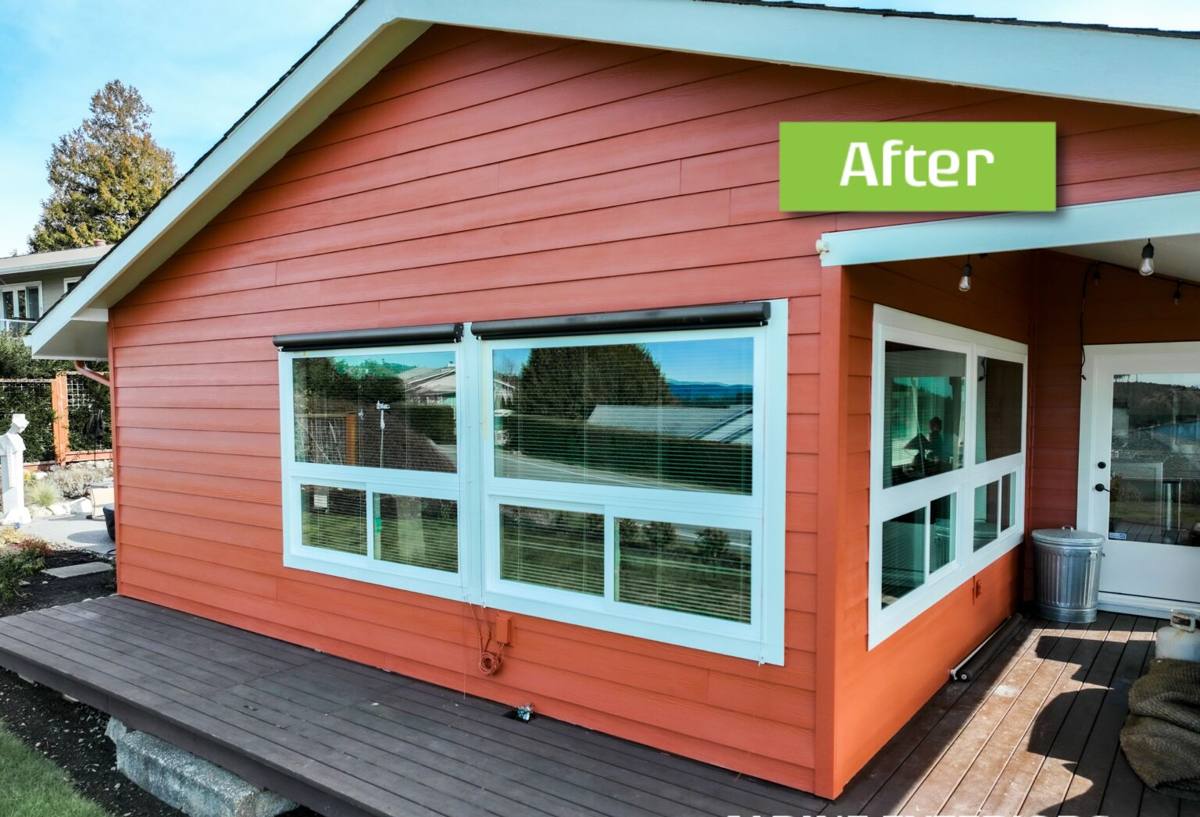
What Salt Air, Driving Rain, and Moss Season Actually Do to Windows
Salt Air
Airborne salt is corrosive to exposed metal — hinges, cranks, balance hardware, and screws — and it accelerates the breakdown of cheaper seals and gaskets faster than it would in a drier climate. Over years, that shows up as stiff or failing operating hardware and seals that harden and crack ahead of schedule.
Driving Rain
Wind off the water doesn't just drop rain straight down — it pushes it sideways into any gap in the flashing, trim, or sealant around a window opening. A window that would stay dry in a calm rain in a sheltered location can still leak in Birch Bay Village if the water management around the frame isn't done right, even with a good window unit installed in it.
Moss Season
Extended damp periods keep wood trim, sills, and any organic debris around a window opening wet for long stretches. That moisture is what lets rot and moss get a foothold in the first place — it's less about the moss itself and more about what a persistently wet building envelope does to the materials around your windows over time.
What "Energy-Efficient" Really Means Here
Energy efficiency isn't just a sticker on the glass. In a marine climate like Birch Bay, it comes down to three things working together:
- Glass performance — low-E coatings and the right gas fill for our moderate but persistently damp temperature swings
- Frame integrity — a frame material and design that won't warp, corrode, or let moisture in around hardware and weep points
- Installation quality — flashing, sealing, and insulation around the rough opening, which matters as much as the window itself
A high-efficiency window installed with sloppy flashing will leak and lose its efficiency value within a few seasons. A modest window installed correctly, with proper water management, will often outperform it long-term. We prioritize the installation as much as the product spec.
Signs Your Windows Are Already Costing You Money
Most Birch Bay Village homeowners don't notice window failure as a sudden event — it shows up gradually as higher heating bills, drafts, or soft spots in the trim. Walk your home's windows and check for these:
- Condensation forming between the panes (a sign the seal has failed, not just normal window fog)
- Visible gaps, cracked caulking, or daylight around the frame from outside
- Soft or discolored wood trim or sills, especially on the side of the house facing prevailing wind and rain
- Hardware — locks, cranks, hinges — that feels stiff, corroded, or doesn't latch cleanly
- Noticeable drafts near the window even with it fully closed and locked
- A cold room that stays cold no matter how the heat is set
Any one of these on its own might just need a repair. Several together, especially on an older window, usually means the unit has reached the end of its useful life.
Frame Materials: What Actually Holds Up in This Climate
There's no single "best" frame material for every home, but some perform more predictably than others in salt air and sustained moisture. Here's how the common options generally compare for a coastal Whatcom County property:
| Frame Material | Moisture & Salt Resistance | Maintenance | Typical Trade-offs |
|---|---|---|---|
| Vinyl | Good — won't rot or corrode | Low | Limited color/finish options; quality varies a lot between manufacturers |
| Fiberglass | Very good — dimensionally stable, resists warping | Low | Higher upfront cost |
| Wood (unclad) | Poor in this climate without diligent upkeep | High | Needs regular refinishing to keep moisture out |
| Wood-clad (vinyl or aluminum exterior) | Good on the exterior face; interior still wood | Moderate | Clad seams need to be detailed correctly at install to stay watertight |
| Aluminum | Moderate — can pit or corrode near salt air over time without proper coatings | Moderate | Conducts heat/cold more than other frames unless thermally broken |
We'll walk you through which option fits your home's exposure, your budget, and how much upkeep you actually want to take on — there's no wrong answer as long as it's an honest one for your situation.
What a Correct Installation Involves
The window unit is maybe half the job. The other half is everything around it, and it's where most leaks and failures actually originate. A proper installation in a home exposed to driving rain includes:
- Removing the old unit and inspecting the rough opening for hidden rot or water damage before anything new goes in
- Correcting any framing or sheathing damage found, rather than installing over it
- Installing flashing in the correct shingle-lap sequence so water is directed out and down, never trapped behind the trim
- Using sealants rated for exterior, marine-adjacent exposure at every penetration point
- Air-sealing and insulating the gap between the window frame and the rough opening — not just stuffing it, but sealing it properly
- Setting the unit level, plumb, and square so hardware operates smoothly and seals compress evenly for years, not just on day one
Skipping any one of these steps is how a brand-new, high-efficiency window still ends up with a leak or a draft within a couple of years.
Our Process, Start to Finish
We keep the process straightforward and give you honest information at each step, not sales pressure:
- On-site assessment — we look at your existing windows, the surrounding trim and framing, and your home's specific exposure to wind and rain
- Straight-talk recommendation — we tell you what actually needs replacing versus what can wait, and which frame and glass options make sense for your home and budget
- Written estimate — clear pricing with no vague allowances buried in the fine print
- Careful removal — protecting your interior and landscaping while the old units come out
- Correct installation — flashing, sealing, and insulating done to hold up against our specific weather, not a generic install
- Walkthrough and cleanup — we show you how the new hardware operates and leave the site clean
Why a Crew That Already Works Birch Bay Village Matters
A contractor who works this specific area regularly already knows how the wind and rain typically hit different sides of the homes here, what kind of moisture exposure to expect on shaded, moss-prone roof and trim lines, and which frame and installation details actually hold up versus which ones look fine on paper. That's not something you get from a crew that mostly works dry, inland jobs and treats every install the same way. It's also easier for a local crew to come back for a quick warranty check or a minor adjustment without a long drive being the reason it doesn't happen promptly.
Protecting Your Investment After Installation
Even a well-installed, energy-efficient window benefits from basic seasonal upkeep in this climate:
- Rinse salt residue off exterior glass and frames periodically, especially after storms
- Check and clear weep holes at the bottom of the frame so water can drain out instead of pooling
- Inspect exterior caulking annually and touch up any cracking before moss season sets in
- Lubricate hardware per manufacturer guidance to keep cranks and locks from stiffening up
- Keep gutters and downspouts clear so runoff isn't sheeting directly across window trim
None of this is difficult, but it's the difference between a window system that performs for its full expected life and one that starts failing early because small issues went unaddressed.
If your Birch Bay Village home has drafty, foggy, or aging windows, we're happy to take a look and give you a straight, no-pressure assessment of what's going on and what your options are. Use the form below to request a free estimate.