 Birch Bay Window
 Deck Repair in Ferndale: Built for Whatcom County Weather
Ferndale sits close enough to the water that decks here take a different kind of beating than decks twenty miles inland. Between the salt-laden air rolling off Birch Bay and the Strait, the long stretches of driving rain that define a Whatcom County winter, and a moss season that can run from October through May, a deck in this area ages differently than one in a drier part of the state. We repair decks in Ferndale on a regular basis, and the failure patterns we see are consistent enough that we can usually tell you what's wrong before we even get a ladder out.
This page covers what deck repair actually looks like for homes in and around Ferndale — what the climate does to decking materials, how to tell a cosmetic problem from a structural one, and what a repair job should include if it's going to hold up through another wet season.
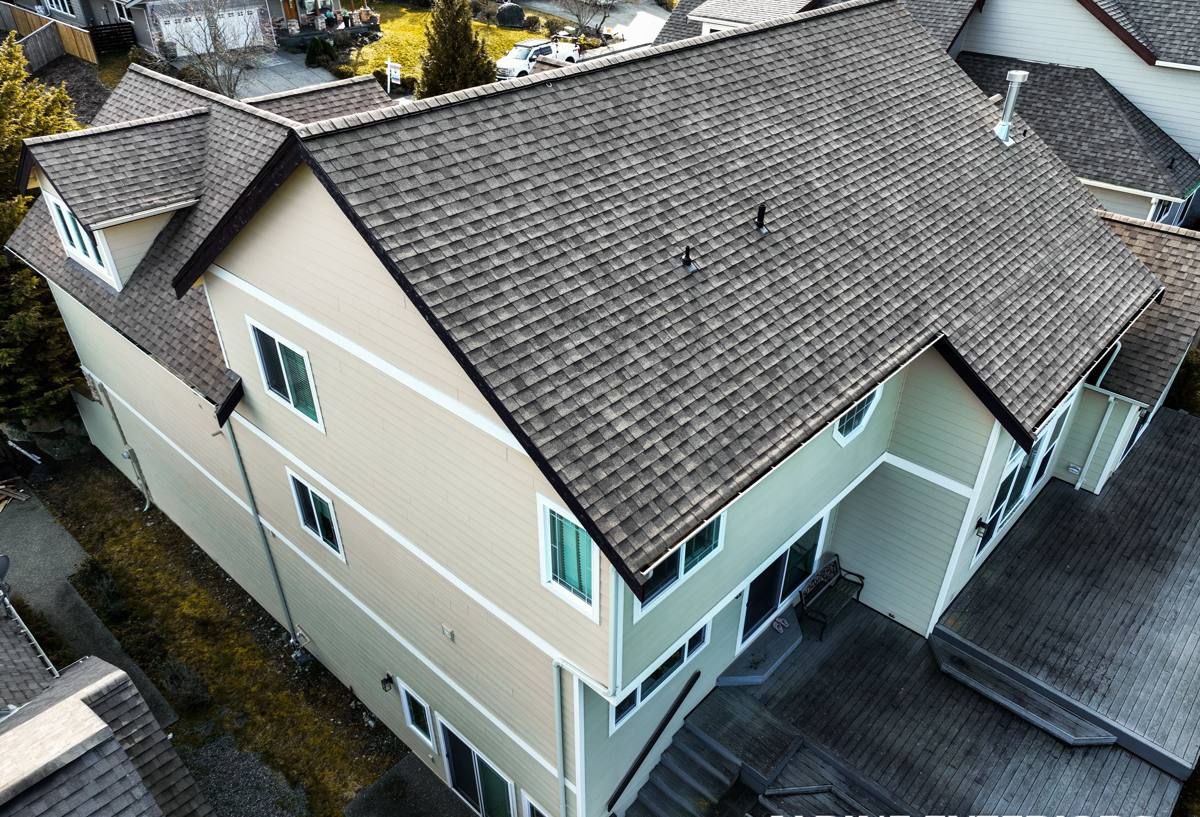
What Salt Air, Rain, and Moss Actually Do to a Deck
Salt Air
Proximity to Birch Bay means airborne salt settles on exposed metal — fasteners, joist hangers, railing brackets, and any exposed screw heads. Salt accelerates corrosion on standard galvanized hardware faster than most homeowners expect. Once a fastener starts to rust, it swells slightly, which cracks the wood fibers around it and lets water in. That's usually the starting point for the kind of soft, spongy decking we get called out for.
Driving Rain
Rain that comes in sideways, which is common in this part of Whatcom County, gets under railings, behind fascia boards, and into any gap where flashing wasn't detailed correctly the first time. It's not the rain falling straight down that causes the most damage — it's rain being pushed horizontally into joints and end grain that were never meant to shed water from that angle.
Moss and Sustained Dampness
Moss itself doesn't eat wood, but it holds moisture against the decking surface for months at a stretch. A deck board that's damp for a few days dries out fine. A deck board that stays damp under a moss mat from November to April starts to break down from the surface in, especially on the north side of a house or under tree cover, which describes a lot of Ferndale lots.
Signs Your Deck Needs Repair, Not Just Cleaning
- Boards that feel spongy or flex noticeably underfoot, especially near the house or around posts
- Rust streaks running down from screw heads or joist hangers
- Railings that wiggle at the base or where they meet the post
- Gaps opening up between decking boards that weren't there when the deck was new
- Dark, soft patches on the underside of the deck, visible from below if there's clearance
- Ledger board (where the deck attaches to the house) showing any separation or staining
- Stairs that feel less solid than the rest of the deck
Any one of these on its own might be minor. Two or three together, especially involving the ledger board or main support posts, usually means it's time to have someone look underneath rather than just pressure-washing and re-staining.
Cosmetic Wear vs. Structural Problems
One of the more common calls we get in Ferndale is a homeowner who assumes gray, weathered decking means the whole thing needs replacing. Often it doesn't. Graying and surface roughness on wood decking is UV and weather exposure doing what it does — it's not necessarily a sign of rot. The distinction matters because it changes both the cost and the scope of the work.
| Symptom | Usually Means | Typical Fix |
|---|---|---|
| Gray, rough surface, no soft spots | Weathering, not decay | Sand and re-seal, or replace boards only if splintering badly |
| Soft or spongy boards | Moisture intrusion, early rot | Replace affected boards, check joists underneath |
| Rust trails from fasteners | Hardware corrosion | Swap to stainless or coated fasteners, patch surrounding wood |
| Loose railing posts | Fastener failure or post rot at the base | Re-anchor or sister the post, upgrade connection hardware |
| Staining or gaps at the ledger board | Flashing failure, active water intrusion into the house rim joist | Remove decking locally, correct flashing, inspect rim joist |
| Uneven or bouncy deck surface | Joist or beam deflection, possible undersized framing | Sister joists or add support, may require engineering review |
The Ledger Board: The Part Homeowners Rarely See
The ledger board is where the deck bolts to the house, and it's the single most important connection on the whole structure — it's also the one most likely to be hiding a problem, because it's largely covered by decking and siding. In a climate with the rain patterns Whatcom County gets, a ledger board without proper flashing will slowly let water track behind the siding and into the house rim joist. This isn't just a deck problem at that point; it's a house problem. Any deck repair worth doing should include pulling back enough decking to actually look at the ledger connection, not just assume it's fine because the deck feels solid on top.
What a Proper Deck Repair Involves
1. Inspection From Underneath
We start below the deck whenever there's access, checking joists, beams, posts, and the ledger connection for soft wood, rust, and movement. This is where the real story is — the top of a deck can look fine while the framing underneath is already compromised.
2. Isolating the Damage
Not every repair means replacing the whole deck surface. Often the damage is localized — a section near a downspout, a corner that gets more moss shade, a stair stringer that's taken on water. We identify exactly which boards, joists, or connections are affected rather than defaulting to a full tear-off.
3. Matching Fasteners and Hardware to the Climate
Given the salt exposure this area gets, we use stainless steel or heavy hot-dip galvanized fasteners and connectors rather than standard-grade hardware. It costs a bit more up front and saves the homeowner from doing this same repair again in five years.
4. Correcting Drainage and Flashing
If the underlying cause was water getting somewhere it shouldn't — behind a ledger, under a post base, along a rim joist — we fix that cause, not just the symptom. Replacing rotted boards without correcting the flashing or drainage that caused the rot just resets the clock.
5. Structural Reinforcement Where Needed
Sistering a joist, adding a post base, or upgrading an undersized beam connection are common line items once we're under the deck. These aren't upsells — they're the difference between a repair that lasts and one that fails again in the same spot.
Wood, Composite, and What We Recommend for This Area
Ferndale decks come in both pressure-treated wood and composite decking, and each has different repair considerations in this climate.
Wood decking is repairable board by board, which is often the more cost-effective route for localized damage — you're not paying to replace boards that are still sound. It does require ongoing maintenance: cleaning moss off regularly and re-sealing every couple of years to keep water from getting into the end grain and fastener holes.
Composite decking resists moisture absorption better on the wearing surface, which helps with the moss and rain side of things, but the substructure underneath — joists, beams, ledger — is still almost always wood, and still needs the same attention to flashing and fastener corrosion. Composite also expands and contracts with temperature more than solid wood, so fastener spacing and clip systems matter more than people expect; a repair done with the wrong spacing can cause buckling later.
We don't push one material over the other as a blanket rule. We look at the existing deck, what's actually failing, and what makes sense for the homeowner's budget and how long they plan to stay in the house.
Why It Matters That We Already Work in Ferndale
A crew that works this specific area regularly already knows which parts of a Ferndale deck tend to fail first — usually the north-facing sections that stay shaded and damp longest, the ledger connections on older homes that predate current flashing standards, and hardware that was never upgraded to handle salt exposure from being this close to Birch Bay. That familiarity means less time spent diagnosing and more time spent fixing the actual problem. It also means we're not guessing at appropriate fastener grades or flashing details for a climate we don't normally work in.
What to Expect From Our Repair Process
- On-site inspection, including underneath the deck where access allows
- Straightforward explanation of what's cosmetic versus structural, in plain terms
- Written scope covering exactly which boards, connections, or framing members will be addressed
- Repair work using fasteners and materials suited to salt air and sustained moisture exposure
- A final walkthrough so you know what was fixed and what to watch going forward
Maintaining a Repaired Deck Through Whatcom County Winters
- Clear moss and debris off the surface and between boards before the wet season sets in each fall
- Keep gutters and downspouts clear so runoff isn't draining directly onto or under the deck
- Check railing posts and stair connections for movement once or twice a year
- Re-seal wood decking on the schedule recommended for the product you have, not just when it looks dry
- Look at the ledger board area annually for any new staining or gaps
A repaired deck that gets even basic seasonal attention will last considerably longer than one that's ignored until the next problem shows up.
If you're seeing soft spots, rust stains, or a railing that doesn't feel as solid as it used to, we're happy to take a look. We offer a free, no-pressure estimate for Ferndale homeowners — no obligation, just an honest read on what's going on and what it would take to fix it right. The form below is the quickest way to get started.