 Birch Bay Window
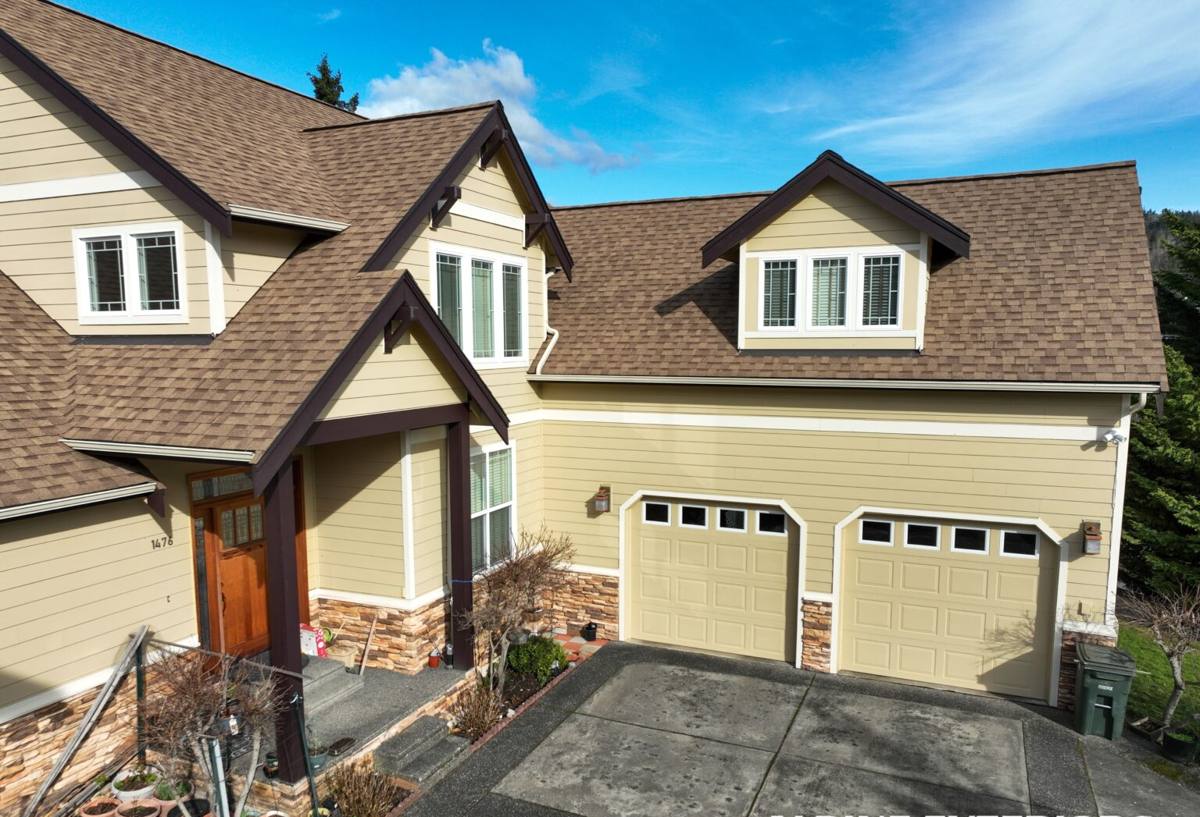
 Roof Replacement in Marietta: Built for the Weather That's Actually Here
Marietta sits close enough to the water that its roofs live a different life than roofs twenty miles inland. Salt-laden air moves off the bay, driving rain comes in sideways more often than straight down, and the shade and dampness that stick around from fall through spring keep moss and algae working on shingles almost year-round. A roof replacement here isn't just about swapping old material for new — it's about choosing products and installation details that actually hold up to this specific combination of conditions. That's the lens we bring to every Marietta roof, whether it's a rambler a block from the water or a home set back among the trees.
Salt Air and Metal Fatigue
Airborne salt is corrosive to exposed metal — nails, flashing, vents, and gutter hardware all take a slow beating over the years. On a lot of older Marietta roofs, the shingles themselves are still serviceable when the metal components around them have already failed: rusted flashing at a chimney, corroded nail heads working loose, a vent boot with a metal collar that's pitted through. A roof replacement is the moment to correct that with corrosion-resistant fasteners and flashing, not the moment to reuse whatever metal is already up there.
Driving Rain and Wind-Driven Water
Whatcom County storms coming off the water don't always drop rain straight down — wind pushes it sideways and up under laps, edges, and penetrations that would stay dry in a calmer climate. That means underlayment coverage, laps, and flashing details matter more here than they would on a roof twenty miles inland with the same pitch. A replacement done with inland-standard details can look fine for a year or two and still leak the first time a real coastal storm rolls through.
The Long Moss Season
Marietta gets a long stretch of damp, mild weather with limited direct sun on north-facing slopes and shaded sections under mature trees. That's exactly what moss and algae need to establish. Moss doesn't just look bad — it holds moisture against the shingle surface, works its way under tabs and edges, and accelerates the wear that eventually forces a full replacement years earlier than it should. Material choice and roof design can either fight that tendency or feed it.
Signs a Marietta Roof Needs Replacing, Not Patching
Not every roof problem calls for a full replacement — but a lot of Marietta roofs reach a point where patching is just delaying the inevitable and spending money that won't carry over into the next job. Here's what tends to signal it's time:
- Granule loss heavy enough that you're finding grit in gutters and downspouts every season
- Shingles that are curling, cupping, or cracking across multiple sections of the roof, not just one isolated spot
- Moss or algae established deeply enough that scraping it off would damage the shingles underneath
- Soft spots or sagging when you walk the roof or view it from a ladder, suggesting deck damage
- Repeated leaks in different locations rather than one recurring trouble spot
- Flashing that's visibly rusted, lifted, or separated at chimneys, valleys, or wall intersections
- A roof that's within a few years of the end of its rated lifespan and already showing wear
If you're only seeing one or two of these, a repair may still make sense. If several are present at once, that's usually a sign the roof system as a whole — deck, underlayment, and covering — has reached the end of its useful life together.
What a Correct Roof Replacement Involves
A roof replacement is judged by what's underneath the shingles as much as by the shingles themselves. Here's what we treat as non-negotiable on every job.
Full Tear-Off and Deck Inspection
We remove the existing roofing down to the deck rather than layering over it. That's the only way to actually see the condition of the sheathing — soft, delaminated, or water-stained plywood gets replaced before anything new goes down. Covering over a compromised deck just locks a problem under a new roof.
Underlayment and Water Barrier Coverage
Given how much wind-driven rain Marietta sees, we don't treat underlayment as an afterthought. Self-adhering water and ice barrier goes at eaves, valleys, and other vulnerable transitions, with synthetic underlayment covering the rest of the deck with proper overlap. This is the layer that protects the home if wind ever drives water up under the shingle laps — it matters more here than it would in a drier, more sheltered location.
Flashing Built for Salt Exposure
Every penetration — chimneys, plumbing vents, skylights, wall-to-roof transitions — gets flashing sized and installed for the conditions, using corrosion-resistant materials rather than whatever's cheapest. This is one of the most common points of long-term failure on coastal roofs, and it's also one of the easiest to get right if it's treated with the attention it deserves during installation instead of patched later.
Ventilation That Matches the Home
Proper intake and exhaust ventilation keeps the attic space dry and temperature-balanced, which reduces moisture buildup that feeds mold and rot from the inside and helps shingles last through their full rated life instead of failing early from trapped heat and humidity. On a lot of older Marietta homes, ventilation was undersized or mismatched when the last roof went on — a replacement is the right time to correct it.
Choosing Roofing Materials for Marietta Homes
There's no single "best" roofing material — the right choice depends on the home's exposure, roof pitch, budget, and how much long-term maintenance the homeowner wants to take on. Here's how the common options compare for a home in this climate.
| Material | Moisture & Moss Resistance | Salt Air Durability | Typical Lifespan | Maintenance |
|---|---|---|---|---|
| Architectural asphalt shingle | Good with algae-resistant granules | Good with corrosion-resistant flashing/fasteners | 25-30 years | Periodic moss treatment, gutter clearing |
| Standard 3-tab asphalt | Fair — more prone to early granule loss | Fair | 15-20 years | More frequent moss/algae attention |
| Metal (standing seam or panel) | Excellent — sheds moss and moisture well | Good with coastal-rated coatings and fasteners | 40-50+ years | Low; occasional fastener/coating check |
| Composite/synthetic shingle | Good | Good | 30-50 years | Low to moderate |
Architectural asphalt with algae-resistant granules is the most common practical choice for Marietta homes — it balances upfront cost with real resistance to the moss and algae pressure this area sees. Metal is worth serious consideration on homes with heavy shade or a history of chronic moss, since it sheds debris and moisture more effectively than any shingle product, though it comes at a higher upfront cost. We'll walk through the honest trade-offs for your specific roof rather than push one product across the board.
Cost Factors for a Marietta Roof Replacement
Roofing costs vary enough by home that we won't put a number on this page that isn't tied to your actual roof — but here's what actually moves the price up or down.
| Factor | Why It Matters |
|---|---|
| Roof size and number of facets | More squares and more complex geometry mean more material and labor |
| Pitch and access | Steeper roofs and tricky access require more safety setup and time |
| Deck condition | Rotted or delaminated sheathing found during tear-off adds material and labor |
| Layers of existing roofing | Multiple old layers mean more tear-off and disposal work |
| Material choice | Asphalt, metal, and composite carry different material and labor costs |
| Flashing and ventilation upgrades | Correcting undersized or outdated details adds scope but reduces future failure risk |
The only way to get a real number is a look at your specific roof — which is exactly what a free estimate is for.
Our Process, Start to Finish
- On-site inspection. We walk the roof and attic, note deck condition, flashing condition, ventilation, and any moss or moisture issues, and take measurements.
- Written estimate. You get a clear scope and price — what's included, what materials are proposed, and why, with no pressure to decide on the spot.
- Scheduling around the weather. We plan tear-off and installation around forecasted dry windows where possible, since an open deck needs to stay protected.
- Tear-off and deck repair. Old roofing comes off, the deck gets inspected, and any compromised sheathing is replaced before anything new goes down.
- Underlayment, flashing, and installation. Water barrier, underlayment, flashing, and the new roofing go on in that order, with attention to every penetration and transition.
- Ventilation check and cleanup. We confirm intake and exhaust ventilation is correct, then do a full property cleanup, including a magnetic sweep for stray nails.
- Final walkthrough. We go over the finished roof with you before calling the job done.
Why a Crew That Already Works Marietta Matters
A roof replacement is only as good as the details that don't show up in a photo — flashing laps, fastener choice, underlayment coverage at valleys, ventilation balance. Those are the details that separate a roof that holds up through a decade of coastal storms and moss seasons from one that starts leaking in year three. A crew that regularly works homes in Marietta and the surrounding Birch Bay area has already seen how this specific climate treats roofs over time, which flashing points tend to fail first near the water, and which materials actually hold up rather than just how they're rated on paper. That's not a substitute for doing the work correctly — it's what informs doing it correctly in the first place.
Maintenance After Your New Roof Goes On
A correctly installed roof still benefits from a little upkeep in this climate, and it's worth doing rather than skipping:
- Clear gutters and downspouts at least twice a year so water isn't backing up under eaves
- Have moss and algae growth treated before it establishes rather than after it's visible and thick
- Trim back overhanging branches that keep sections of the roof shaded and damp
- After major windstorms, do a visual check for lifted shingles or displaced flashing
- Keep an eye on attic ventilation — condensation or musty smells are early warning signs worth checking
None of this is heavy maintenance, but it's the difference between a roof that reaches its full rated lifespan and one that doesn't.
Ready to Talk About Your Roof?
If your Marietta home's roof is showing its age, or you just want an honest read on how much life it has left, we're happy to come take a look. There's no pressure and no obligation — just a straight assessment and a clear estimate, using a form below to get started.