 Birch Bay Window
 Roofs on the Water: What Semiahmoo Deals With That Inland Homes Don't
Semiahmoo sits right up against the water, and that location shapes everything about how a roof ages there. Salt-laden air off the Strait works differently on roofing materials than the dry heat inland homes face — it accelerates corrosion on exposed metal fasteners, flashing, and vent stacks, and it settles into granule surfaces and shingle mat over years of exposure. Add in wind-driven rain that comes at the roof sideways instead of straight down, and you get water intrusion at points a roof built for a calmer climate was never designed to handle — hip and ridge caps, low-slope transitions, and anywhere two roof planes meet.
Then there's moss. Whatcom County's long, wet, mild winters give moss and algae months of ideal growing conditions on any roof that holds shade or moisture, and a roof near the water holds both longer than one a few miles inland. Moss isn't just cosmetic — it lifts shingle edges, holds standing moisture against the roof deck, and works its way under laps where it doesn't belong. A roof replacement done right for this specific stretch of coastline has to plan for all three of these stressors at once, not just swap old shingles for new ones in the same configuration.
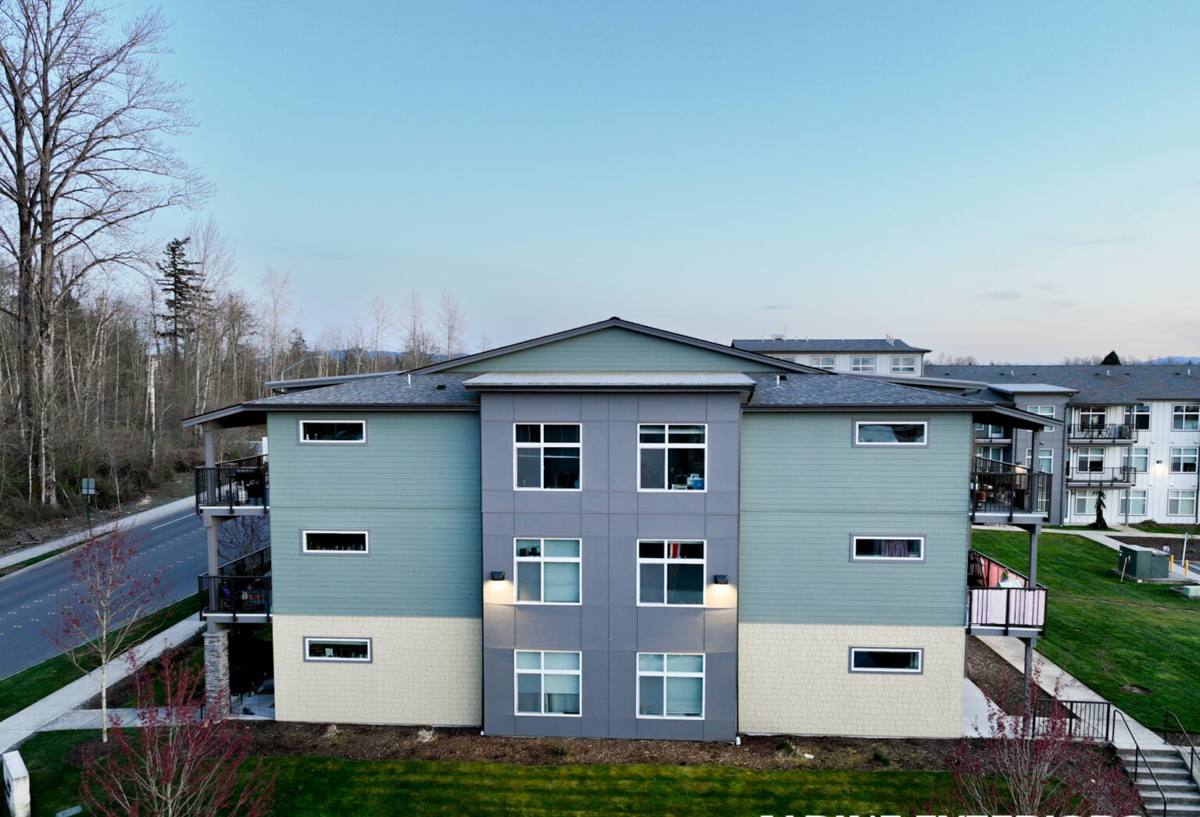
Signs a Semiahmoo Roof Needs Replacement, Not Another Patch
Not every roof problem calls for a full tear-off. But there's a point where patching becomes false economy — you're spending money to delay a job that's coming anyway, and often masking a decking or ventilation problem that keeps causing the same leak in a new spot. Here's what tends to signal that a full replacement is the honest recommendation rather than another repair:
- Granule loss heavy enough that you can see bare, shiny patches on multiple shingle courses, not just one damaged spot
- Moss or algae growth that comes back within a season or two of being cleaned, especially on north-facing or shaded slopes
- Soft or spongy spots underfoot on the roof deck, which usually means the sheathing underneath has already taken on moisture
- Daylight visible through the attic roof boards, or water staining on attic framing near the ridge or valleys
- Curling, cupping, or cracked shingles across a large portion of the roof rather than isolated damage
- A roof that's already had two or more repair visits for leaks in different locations within a few years
- Flashing around chimneys, skylights, or plumbing vents that's rusted, separated, or was never properly stepped and counter-flashed in the first place
If a roof is showing one or two of these signs in isolation, a repair can still make sense. If it's showing several at once, replacement is usually the more honest advice — and it's worth getting an inspection before winter storm season rather than after a leak forces the issue.
What a Correct Roof Replacement Actually Involves
A roof replacement is more than laying new shingles over what's there. Done properly, it's a full system rebuild, and every layer matters more in a marine climate than it would somewhere drier.
Tear-Off and Deck Inspection
The old roofing comes off down to the deck — not over it. This is the only point in the whole job where the sheathing is actually visible, so it's the point where rot, delamination, or soft spots from years of slow moisture intrusion get found and replaced. Skipping a full tear-off (roofing over an existing layer) hides these problems and shortens the life of everything installed on top.
Ice and Water Barrier at Vulnerable Points
Self-adhering waterproof membrane goes down first at eaves, valleys, and around every roof penetration — these are the spots where wind-driven rain and ice damming (on the rare cold snap this area does get) cause the most damage. This isn't optional in a climate with this much sideways rain.
Synthetic Underlayment Across the Field
Modern synthetic underlayment sheds water better and holds up longer to UV and moisture exposure than older felt products, and it gives the roof a reliable secondary water barrier if wind ever lifts a shingle edge — which happens more often in an exposed, waterfront location than it does further inland.
Flashing Done Right, Not Reused
Step flashing, counter-flashing, and valley metal get replaced as part of the job, not caulked and reinstalled. Flashing failure is one of the most common causes of roof leaks, and it's almost always cheaper to install it correctly during a replacement than to chase a leak through it later.
Ventilation Balanced Intake to Exhaust
Ridge vents, soffit vents, or a combination are sized to move air through the attic space continuously. This matters as much for moss prevention on the roof surface as it does for moisture control inside the attic — a cold, poorly ventilated roof deck holds frost and condensation longer, which feeds moss growth and shortens shingle life from underneath.
Roofing Materials: What Holds Up Near Semiahmoo's Marine Air
There's no single "best" roofing material — the right choice depends on the home's structure, the budget, and how much long-term maintenance the owner wants to take on. Here's how the common options actually compare for a coastal Whatcom County property, based on how each material behaves under salt air, driving rain, and moss pressure.
| Material | Coastal / Moss Performance | Maintenance Burden | Typical Lifespan |
|---|---|---|---|
| Architectural asphalt shingle | Good with proper ventilation; algae-resistant granule options help slow moss and streaking | Low to moderate — periodic moss treatment recommended | 25–30 years |
| Standing seam metal | Excellent shedding of wind-driven rain; minimal surface for moss to grip | Low — occasional fastener and sealant checks at penetrations | 40–50+ years |
| Composite / synthetic shake | Good; resists moisture absorption better than natural wood | Moderate | 30–40 years |
| Cedar shake (natural wood) | Attractive but holds moisture and needs consistent upkeep in a wet marine climate | High — regular treatment and inspection required | 20–30 years with diligent maintenance |
We install asphalt and metal roofing as our standard recommendations for this area, because both hold up well to the specific combination of salt air and sustained moisture without demanding the kind of ongoing maintenance a wood shake roof needs to stay watertight this close to the water. That's a professional judgment based on moisture behavior and upkeep, not a knock on any manufacturer — homeowners who want the look of natural wood and are prepared for the maintenance schedule have that option too, and we'll walk through the honest trade-offs either way.
Ventilation and Moisture Control Get Skipped More Than Anything Else
Of everything that goes into a roof replacement, attic ventilation is the piece most often shortchanged — usually because it's invisible once the job is done and doesn't show up as a line item homeowners think to ask about. In a climate like this one, that's a mistake. Poor ventilation traps warm, moist air against the underside of the roof deck, which speeds up sheathing rot from below and keeps the roof surface cooler and damper longer than it should be — exactly the conditions moss needs. A roof replacement that gets ventilation right pays for itself in extended shingle life and fewer moss treatments down the road, and it's a detail worth asking any contractor to explain specifically for your attic layout, not just gloss over.
Our Roof Replacement Process, Start to Finish
- On-site inspection and estimate. We walk the roof and the attic, document existing conditions, and give you a written scope and estimate — no pressure, no same-day-signature tactics.
- Material selection. We go over the honest trade-offs between options for your specific roof structure, budget, and how much upkeep you want to take on.
- Permitting. We handle the permit application through the appropriate local jurisdiction before work begins.
- Tear-off and deck inspection. Old roofing comes off, the deck gets inspected board by board, and any compromised sheathing is replaced before anything new goes down.
- Underlayment and flashing installation. Ice-and-water membrane at vulnerable points, synthetic underlayment across the field, new flashing at every valley, wall, and penetration.
- Ventilation installation. Intake and exhaust vents installed and balanced for the attic's actual volume and layout.
- Roofing installation. Shingles, metal panels, or composite roofing installed to manufacturer specification, with attention to fastening patterns appropriate for a wind-exposed, waterfront location.
- Site cleanup and magnetic sweep. Debris, old materials, and stray fasteners cleared from the yard and driveway.
- Final walkthrough. We review the finished roof with you and go over warranty paperwork before calling the job complete.
What Affects the Cost of a Roof Replacement Here
Every roof is different, and the honest answer to "what will this cost" always depends on the specifics of the home. These are the factors that move the number most:
| Factor | Why It Matters |
|---|---|
| Roof size and number of planes | More squares and more hips/valleys mean more material and more labor-intensive detail work |
| Deck condition | Rotted or delaminated sheathing found during tear-off needs replacing before new roofing can go down |
| Material choice | Asphalt, metal, and composite carry different material and installation costs |
| Roof pitch and access | Steeper roofs and difficult access (tight lot lines, limited driveway space) affect labor time and safety setup |
| Existing layers to remove | A roof with two layers of old shingles takes longer to tear off than one with a single layer |
| Ventilation upgrades needed | Adding or reworking intake/exhaust venting is sometimes required to bring an older attic up to a workable standard |
| Flashing and penetration count | Chimneys, skylights, and multiple vent stacks each add flashing detail work |
We provide a written, itemized estimate after the on-site inspection so you know exactly what you're paying for and why — not a ballpark number based on square footage alone.
Permits, Warranty, and Cleanup
Roof replacements in Whatcom County require a building permit, and we handle that process as part of the job rather than leaving it to the homeowner. On the warranty side, a roof replacement typically carries two separate warranties: a manufacturer's warranty on the materials themselves, and a workmanship warranty from the contractor who installed them. Both matter — a strong material warranty means little if flashing or ventilation was installed incorrectly, and a strong workmanship warranty means little if the shingles themselves are shoddy. Ask any contractor you're considering to spell out both in writing before work starts, and make sure cleanup — full debris removal and a magnetic sweep for stray nails — is explicitly included in the scope.
Why It Matters That Your Crew Already Works Semiahmoo
A roofing crew that mostly works inland, drier parts of the region can still install a technically correct roof — but they may not default to the details that matter most here unless they're specifically asked: the algae-resistant granule option, the fastener spacing appropriate for sustained coastal wind, the ventilation balance that accounts for a cooler, damper roof surface. A crew that already works Semiahmoo and the surrounding Birch Bay shoreline builds those choices into the estimate from the start, because they've seen what happens to roofs here that skipped them. That's less about brand loyalty to any one contractor and more about making sure whoever you hire actually understands this specific stretch of coastline before they start pricing your job.
If your roof is showing its age or you just want an honest read on how much life it has left, we're happy to take a look. Estimates are free, there's no pressure to sign anything on the spot, and you'll get a straight answer about whether you need a full replacement or just a repair — use the form below to get in touch.