 Birch Bay Window
 Windows Built for Sandy Point's Coastline, Not Just for a Rough Opening
Sandy Point sits right up against the water on the Birch Bay side of Whatcom County, and that location shapes everything about how windows perform there. A window that's perfectly fine two miles inland can fail early in Sandy Point simply because it wasn't specified or installed with salt air, wind-driven rain, and a long moss season in mind. Custom windows aren't about fancy shapes or upgrades for their own sake — they're about matching the unit, the materials, and the installation details to the specific conditions a home actually faces. For Sandy Point, that means treating the coastal exposure as a design input, not an afterthought.
This page covers what that actually looks like: what the local climate does to windows over time, what a correct installation involves, how we approach the work, and why experience specific to this stretch of coastline matters more than it might seem.
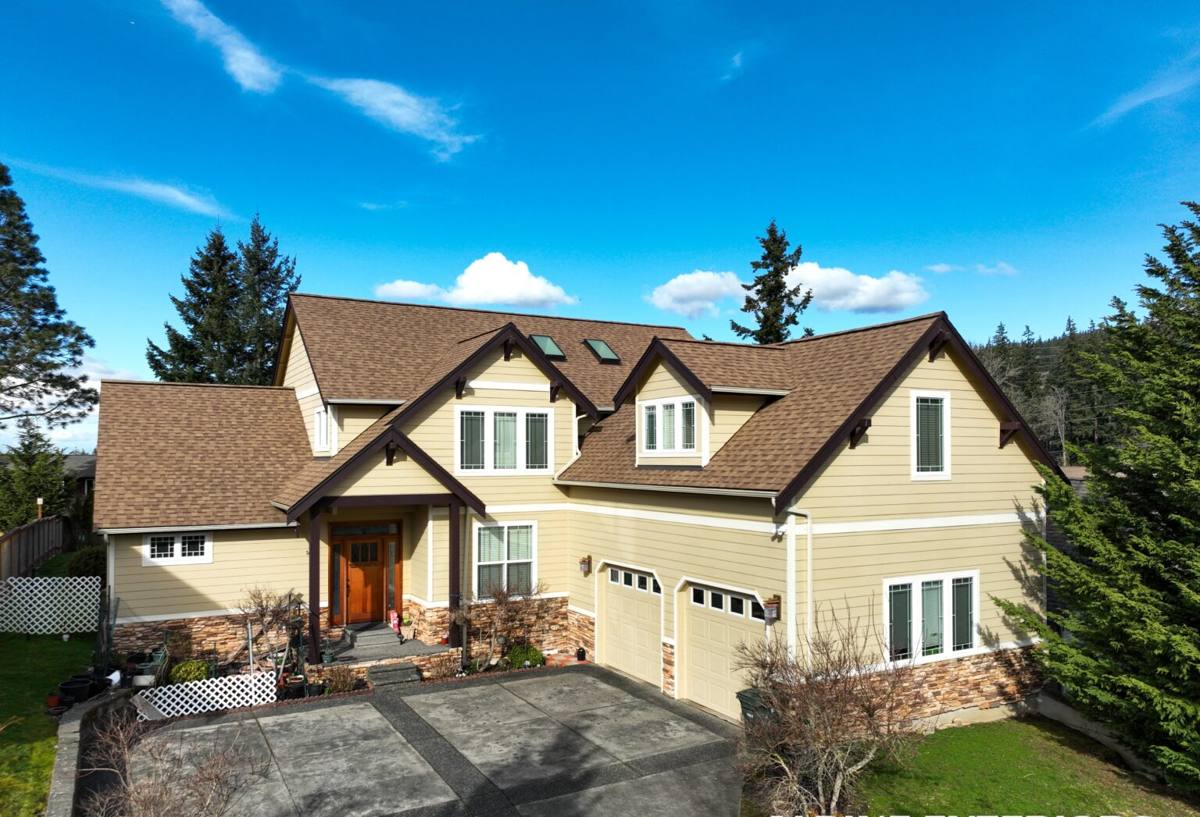
What Salt Air, Driving Rain, and Moss Actually Do to Windows
Three conditions do most of the damage to windows in Sandy Point, and they work together rather than in isolation.
Salt Air and Metal Components
Airborne salt from Birch Bay doesn't just sit on the glass — it settles into hardware, screen frames, and any exposed fasteners. Over years, that accelerates corrosion on lower-grade hinges, locks, and cranks, especially on windows facing the water directly. It also degrades some finishes faster than a manufacturer's inland warranty testing accounts for. This is why hardware and finish selection matter as much as the glass package when we're specifying windows for this area.
Wind-Driven Rain
Rain in Birch Bay rarely falls straight down during a real storm — it comes in sideways off the water, which puts pressure on window seals and flashing details that a calm-weather rain never would. A window that's watertight in a light shower can still leak during a January southwesterly if the flashing wasn't lapped correctly or the sill pan wasn't sloped to shed water outward. Wind-driven rain finds every shortcut in an installation, which is why the flashing and sealing details matter more here than the window unit itself.
Moss and Trapped Moisture
Whatcom County's long wet season means moss and algae get a real foothold on north-facing walls, window sills, and anywhere water sits instead of draining. Moss holds moisture against wood trim and casing far longer than open air would, which is a slow but steady contributor to rot around window openings that aren't detailed to drain and dry properly. It's a quieter problem than a leak, but over a decade it can do just as much damage to the framing around a window.
What a Correct Custom Window Installation Involves Here
"Custom" in this context means the window is sized, specified, and installed to fit the actual opening and the actual exposure — not a stock size forced into place with extra caulk. For Sandy Point homes, a correct job typically includes:
Frame Material Selected for Exposure
Not every frame material handles salt air and constant moisture the same way. We look at how exposed the specific opening is — direct water view versus a more sheltered side of the house — before recommending a material, rather than defaulting to one option for the whole house.
Marine-Grade or Corrosion-Resistant Hardware
On water-facing openings especially, we spec hardware and fasteners rated for coastal exposure. Standard hardware can start showing corrosion within a few years in a direct salt-air position; upgraded hardware is a small cost difference that pays for itself in reduced maintenance and fewer stuck locks or cranks down the road.
Proper Flashing and Sill Pan Details
This is the part of the job nobody sees once it's done, and it's the part that determines whether the window leaks in year one or holds up for decades. A correctly installed sill pan slopes water back outside the wall assembly, flashing tape is lapped shingle-style so water always sheds downward and outward, and the window is set with a drainage path rather than sealed in as a solid, moisture-trapping block.
Weatherstripping and Glass Package Matched to Wind Exposure
Homes with a direct line to Birch Bay see more wind pressure on their windows than homes set back or shielded by terrain. We match weatherstripping quality and glass/gas-fill packages to that exposure rather than using a one-size spec across the whole project.
| Frame Material | Coastal Performance | Maintenance | Typical Fit |
|---|---|---|---|
| Vinyl | Resists corrosion well; no metal to pit or rust | Low — occasional cleaning | Good all-around choice for most Sandy Point homes |
| Fiberglass | Very stable in temperature swings and salt exposure | Low | Strong option for direct water-facing openings |
| Wood, clad exterior | Good if cladding and flashing are done correctly; interior wood needs protection from condensation | Moderate | Best where a wood interior look is a priority |
| Aluminum | More prone to corrosion in direct salt air unless marine-grade and well finished | Higher in exposed spots | We use it selectively, not as a default in this location |
Our Process, Start to Finish
The process itself isn't unique to Sandy Point, but the judgment calls at each step are shaped by what we've seen work — and fail — on this exact stretch of coastline.
- On-site assessment. We look at each opening individually — its exposure to wind and water, the condition of the existing frame and trim, and any signs of past moisture problems, rot, or hardware corrosion.
- Product and material recommendation. Based on that assessment, we recommend frame material, hardware, and glass packages per opening, explaining the trade-offs honestly rather than upselling a single "best" product across the board.
- Written estimate. You get a clear, itemized estimate before any work starts, with the reasoning behind material choices spelled out.
- Removal and inspection. When we pull the old window, we inspect the framing underneath for hidden rot or moisture damage before installing anything new — this is often where problems that caused the original failure get found.
- Installation with proper flashing and sealing. This is where most of the long-term performance is decided, and it's not a step we compress to save time.
- Final walkthrough. We check operation, seal quality, and finish work with you before calling the job done.
Signs a Sandy Point Home May Need New or Repaired Windows
Because coastal wear happens gradually, a lot of homeowners don't notice until a window is already failing. Watch for:
- Visible corrosion or pitting on hinges, locks, or cranks
- Difficulty opening, closing, or locking a window that used to operate smoothly
- Soft or discolored trim or sill wood around the window frame
- Persistent moss, algae, or dark staining on the sill or lower casing
- Drafts or a noticeable temperature difference near the window on windy days
- Fogging or moisture between panes on double- or triple-glazed units, indicating a failed seal
- Visible daylight or gaps around the frame where it meets the wall
Any one of these on its own isn't necessarily urgent, but several together — especially soft wood plus visible water staining — usually mean the opening needs attention before the next storm season, not after.
What Custom Windows Typically Cost, and What Drives the Range
Pricing depends on the specific opening, material, and glass package, so we'd rather give you an honest number after seeing the house than a figure that doesn't hold up. In general terms, the biggest cost drivers are:
| Factor | Why It Affects Cost |
|---|---|
| Frame material | Vinyl is typically the most economical; fiberglass and clad wood cost more up front but can reduce long-term maintenance in this climate |
| Exposure of the opening | Direct water-facing windows often justify upgraded hardware and sealing details that add cost but reduce future repairs |
| Extent of hidden damage | If framing under the old window has rot from past water intrusion, repair work adds to the project before the new window goes in |
| Window size and configuration | Larger units, custom shapes, and operable versus fixed panes all shift price |
| Number of openings replaced at once | Doing multiple windows in one project typically costs less per window than one-off replacements over time |
Why Local Experience Matters for This Job
A crew that hasn't worked this specific stretch of coastline can still install a window correctly on paper and still get the flashing detail wrong for the way rain actually hits a Sandy Point wall in a real storm. We've seen which openings in this area tend to take the worst of the wind and water, which hardware holds up and which corrodes early, and where moss tends to build up and cause slow damage if it isn't accounted for in the install. That's not something a manufacturer's install manual covers — it comes from doing this work on Birch Bay homes specifically, storm season after storm season.
Hiring locally also means someone who understands the practical side of the job: working around weather windows during the wetter months, knowing which permits and inspections apply in Whatcom County, and being available if a question comes up after the install rather than after a project team has moved on to another region.
Get a Free, No-Pressure Estimate
If you're dealing with a window that's showing its age, planning a renovation, or just want an honest read on whether your current windows are holding up the way they should in this climate, we're glad to take a look. The estimate is free, there's no pressure to move forward, and you'll get straight answers about what your home actually needs — use the form below to get started.