 Birch Bay Window
 Board & Batten Siding Built for Semiahmoo's Marine Climate
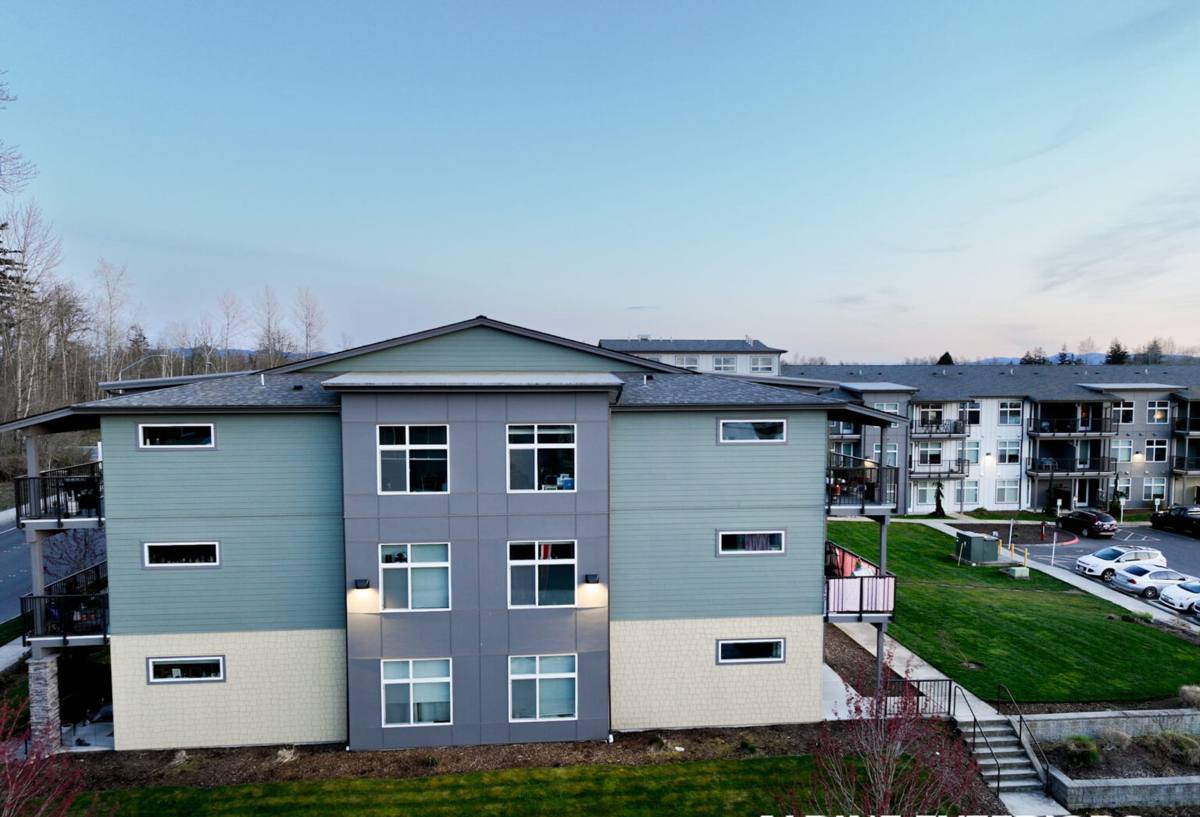
Board and batten siding has a clean, vertical look that fits naturally with the mix of coastal cottages, remodels, and newer builds around Semiahmoo. But the style is only half the story. Homes in this stretch of Whatcom County sit close enough to the water that salt air, driving rain, and a moss season that can run most of the year all work against whatever material ends up on the wall. We install board and batten siding in James Hardie fiber cement specifically because it is engineered to take that kind of exposure without the repainting cycle that wood demands or the long-term moisture questions that come with other materials.
This page walks through what Semiahmoo homeowners actually need from board and batten siding, what a correctly built installation involves on this coastline, and how our process works from the first look at your home to the final walk-through.
What Semiahmoo's Location Does to Exterior Siding
Salt Air and Corrosion
Being this close to the water means airborne salt settles on everything, including siding, trim, flashing, and fasteners. Over years, salt exposure accelerates corrosion on uncoated or poorly coated metal hardware, and it breaks down ordinary paint film faster than it would a few miles inland. Any board and batten job in this area has to account for that starting with the fastener schedule, not just the visible finish.
Driving Rain and Wind-Driven Moisture
Storms coming off the water do not just fall straight down. Wind pushes rain sideways into wall assemblies, batten joints, and any gap or seam in the exterior. Vertical siding styles like board and batten have more seams per square foot than wide horizontal lap siding, which means there are more opportunities for wind-driven moisture to work its way in if the installation is not detailed correctly at every joint.
A Long Moss Season
Shaded, north-facing walls and anything under tree cover around Semiahmoo can stay damp for weeks at a stretch during the wetter months. That is exactly the environment moss and algae need to take hold. Once moss gets a foothold on a porous or heavily textured surface, it holds moisture against the wall longer, which compounds the problem year over year and makes the surface harder to clean without damaging it.
Why We Install Board & Batten Only in James Hardie Fiber Cement
We do not offer board and batten siding in vinyl, LP SmartSide, primed spruce, or cedar. That is a deliberate standard we hold ourselves to, not a lack of options. Each of those materials has real strengths, but none of them hold up the same way in a salt-air, high-moisture environment over the long haul, and we would rather explain that honestly than sell a product we do not think fits this climate.
- Wood (cedar or primed spruce) looks great on day one but needs a recurring cycle of repainting and sealing to keep moisture out of end grain and batten joints. That is exactly the maintenance schedule that is hardest to stay ahead of on a rainy coastline, and gaps in that schedule are where rot gets started.
- Vinyl board and batten profiles can warp or fade under UV exposure over time, and the material simply does not offer the same rigidity or wind resistance that a fiber cement panel does, which matters on open, exposed lots near the water.
- LP SmartSide is an engineered wood product, which means its performance still depends on an intact factory coating and careful field sealing at every cut edge to keep moisture out of the wood strand core underneath.
James Hardie fiber cement is non-combustible, dimensionally stable in wet climates, and finished at the factory with a baked-on ColorPlus coating rather than a coat of paint applied on site after installation. Hardie's HZ5 product line is specifically engineered for this kind of climate: sustained moisture, freeze-thaw cycling, and coastal exposure. That combination, backed by a strong transferable warranty, is why fiber cement is the only board and batten material we install on homes in this area.
Color and trim choices matter here too. Board and batten reads differently on a shingle-style cottage than it does on a newer build, and the right module width, batten spacing, and trim profile should be chosen to fit the house rather than applied as a one-size template. Hardie's ColorPlus palette holds up well under the flatter, overcast light common to this part of the Pacific Northwest, which is worth considering alongside how a color looks in bright sun on a sample chip.
What a Correct Board & Batten Installation Involves
Rain Screen and Drainage Plane
Board and batten should never be installed directly against a wall with no way for incidental moisture to drain and dry out. A correctly built wall assembly includes a weather-resistant barrier and a drainage gap behind the panels, so any water that gets past the battens has somewhere to go besides straight into the sheathing.
Batten Spacing and Fastening
Battens need consistent spacing over the panel joints and must be fastened into framing with corrosion-resistant fasteners spaced to Hardie's published schedule, not just placed where it looks even. On a salt-air site, fastener choice matters more than it would inland; the wrong fastener can fail years before the siding itself shows any wear.
Flashing and Trim Details
Every window, door, and roofline intersection needs flashing that sheds water away from the wall, not into it. Around Semiahmoo, we pay particular attention to sills, head flashing above openings, and the bottom edge of the siding where it meets grade or a deck, since these are the spots driving rain finds first and the places we see the most callback repairs from other installations.
Corner Boards and Trim Transitions
Corner boards, window trim, and the transitions where board and batten meets a different material or roofline are common weak points if they are treated as an afterthought. We detail these transitions the same way we detail the field of the wall, with proper flashing and fastening, so they do not become the first place moisture gets in.
Our Process for Semiahmoo Homes
We already work this part of Whatcom County, so we are not learning the site conditions on your dime. Here is how a board and batten project typically runs from start to finish.
- On-site assessment — we look at wind exposure, shading patterns, existing moisture damage, and how the current siding or sheathing has actually held up, not just the square footage of wall to be covered.
- Scope and product selection — we confirm panel profile, batten spacing, and ColorPlus color together with you, and put the wall assembly details in writing before anything is ordered.
- Tear-off and sheathing check — the old siding comes off and we inspect the sheathing underneath for hidden rot or moisture damage before anything new goes up on the wall.
- Weather-resistant barrier and drainage plane — installed to current best practice for this climate, not simply whatever assembly was there before.
- Board and batten installation — panels, battens, and fasteners installed to Hardie's specification for this climate zone and exposure level.
- Flashing, trim, and caulking — the small details that ultimately determine whether the wall stays dry for the next twenty years.
- Final walk-through — we go over the finished job with you in person before we consider the project done.
Board & Batten: Material Comparison for This Climate
Here is how the common board and batten material choices compare specifically for a salt-air, high-rain, high-moss environment like Semiahmoo.
| Material | Moisture Behavior | Maintenance | Wind & Impact Resistance | Typical Lifespan Here |
|---|---|---|---|---|
| James Hardie fiber cement | Dimensionally stable, resists moss growth and moisture intrusion when installed to specification | Occasional rinse-down, no repainting needed during the ColorPlus finish's warranted period | Strong, holds up well | Decades of service with proper installation and basic upkeep |
| Cedar or primed spruce | Absorbs moisture readily at end grain and batten joints, prone to swelling, cupping, and rot without consistent upkeep | Recurring repainting and sealing on a fixed schedule | Moderate, more prone to wind and impact damage over time | Shorter without diligent, ongoing maintenance |
| Vinyl board and batten | Does not rot, but can warp under heat and does not manage wind-driven rain as well as a rigid panel system | Low day-to-day maintenance, but limited repair options once a panel is damaged | Lower, can crack or blow off in high wind | Variable, sensitive to UV exposure and impact over time |
| LP SmartSide | Performance depends on an intact factory coating and properly sealed cut edges to keep the wood-strand core dry | Field-sealing of cut edges required, watch for coating wear over time | Moderate, similar handling to engineered wood generally | Depends heavily on installation quality and ongoing upkeep |
Questions to Ask Before You Hire a Board & Batten Crew
Board and batten looks straightforward from the curb, but a lot of the work that determines whether it lasts is invisible once the wall is closed up. Before you sign a contract with anyone, ask the following questions.
- What is behind the panels — is there an actual drainage gap, or does the siding sit directly against the barrier with no way for moisture to escape?
- What fastener type and spacing schedule will be used, and is it rated for a salt-air climate like this one?
- Who handles flashing at windows, doors, and rooflines — is it subcontracted out, or handled by the same crew doing the siding?
- What happens if hidden rot or moisture damage turns up once the old siding comes off the wall?
- Is the manufacturer's warranty registered in your name as the homeowner, and what specific things would void it?
- Has this crew actually worked in Birch Bay, Semiahmoo, or elsewhere on this stretch of coastline before?
Caring for Board & Batten Siding Near the Water
Even the right material benefits from basic upkeep in this environment. A periodic rinse-down removes salt residue and slows moss growth on shaded walls before it can really take hold. Keep an eye on gutters and downspouts so runoff is not dumping extra water against any one section of wall, and check the caulking at trim and penetrations every year or two, since caulk is a maintenance item on every siding system and not a lifetime seal on its own. None of this is heavy work, but skipping it for years at a stretch is how a minor issue quietly turns into a repair job.
Get a Straight Answer for Your Semiahmoo Home
If you are weighing board and batten siding for a home near Semiahmoo or elsewhere around Birch Bay, we are glad to take a look and give you an honest, specific read on what your walls actually need, with no pressure and no inflated scope. Request a free estimate below and we will walk the property with you in person.