 Birch Bay Window
 Windows for a Different Kind of Coastal Living
Lummi Island sits right in the weather that defines this corner of Whatcom County: salt-laden wind off the water, rain that comes in sideways more often than straight down, and a moss and mildew season that can run eight or nine months out of the year. Homes here take a different kind of beating than a house twenty miles inland, and windows are usually the first thing to show it — soft spots in the sill, fogged glass, frames that swell, stick, or won't seal the way they used to.
We install windows around Birch Bay and the surrounding shoreline communities, including Lummi Island, and the approach we use here isn't the same one we'd use for a house in a sheltered inland neighborhood. Exposure, orientation, and material choice all matter more when salt spray and standing moisture are part of daily life.
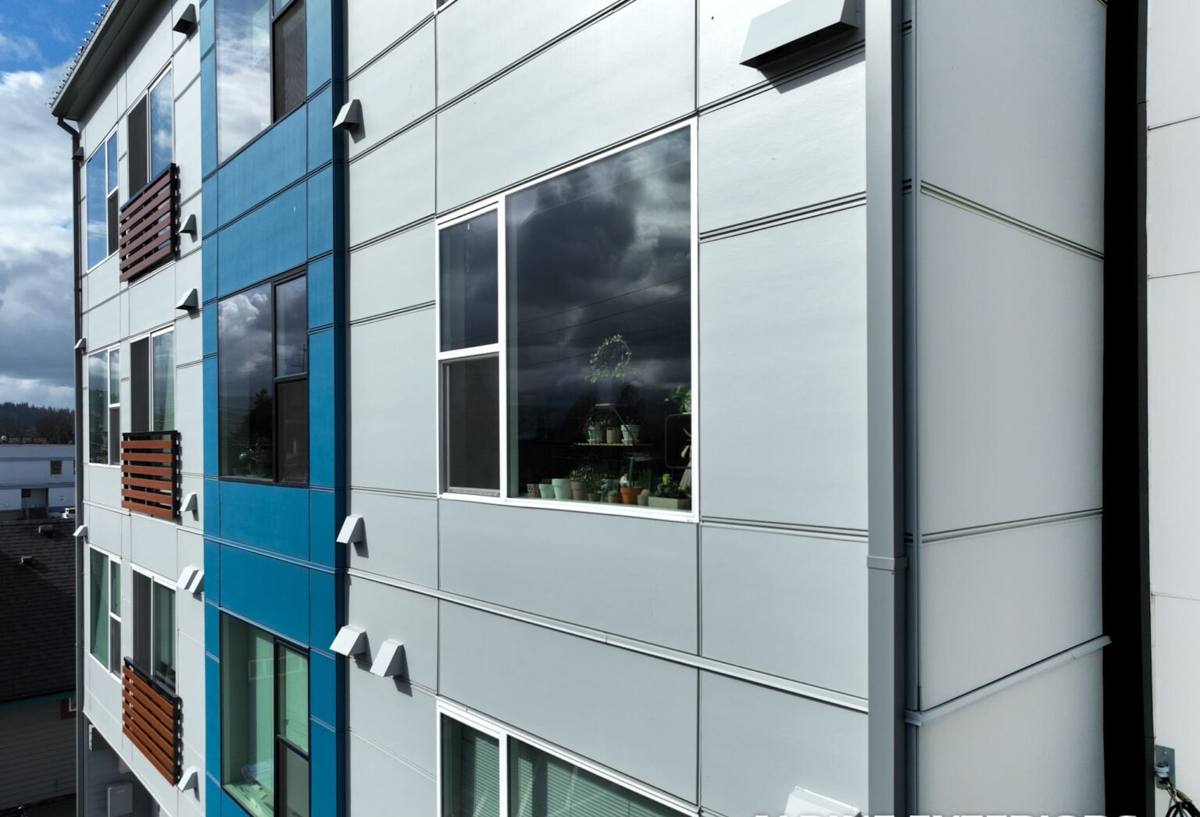
What Salt Air and Driving Rain Actually Do to a Window
It helps to understand the specific failure points before talking about fixes, because "the windows are old" isn't usually the real story.
Salt Air
Airborne salt is corrosive to unprotected metal hardware — hinges, cranks, locking mechanisms, and some lower-grade aluminum components. On waterfront and near-waterfront lots, that corrosion shows up faster than most homeowners expect, sometimes within a handful of years on hardware that isn't rated for coastal exposure.
Driving Rain
Wind-driven rain doesn't just fall on a window — it gets pushed sideways and upward into any gap in the flashing, sealant, or frame-to-wall junction. A window that would be fine in a calm rain can leak in a wind-driven storm if the installation detailing around it wasn't built for that load. This is one of the most common causes of hidden water damage we find behind trim and siding.
The Long Moss Season
Persistent shade, moisture, and mild temperatures mean moss, algae, and mildew get a long runway on north-facing walls, sills, and anywhere water sits instead of draining. Wood components that stay damp for extended stretches are the ones that rot first — and once moisture gets behind a window frame, it's often hidden until the damage is significant.
Signs a Lummi Island Home's Windows Need Attention
- Soft, spongy, or discolored wood at the sill or lower frame corners
- Fogging or a visible haze between the panes of a double-pane window (a failed seal)
- Hardware that's stiff, corroded, or won't latch tight anymore
- Visible moss, black staining, or algae growth on or around the frame
- Drafts or a noticeable temperature difference near the window on windy days
- Paint or finish that's bubbling, peeling, or chalking faster than it should
Any one of these on its own isn't an emergency. Several together, especially on a wall that takes direct wind and rain, usually means the window and the water management around it need a real look — not just a caulk touch-up.
What a Correct Installation Actually Involves
A window installation is judged mostly by what you can't see once it's done. The window unit itself is only part of the job — the flashing, sealant, and integration with the wall assembly are what actually keep water out over the next fifteen or twenty years.
Removal Without Hidden Damage
Old windows come out carefully so we can inspect the rough opening underneath. This is often where the real story is — sill damage, rot, or past water intrusion that wasn't visible from outside. Any of that gets addressed before a new window goes in; installing a new window over a compromised opening just hides the problem for a few more years.
Flashing and Water Management
On a coastal, wind-exposed property, flashing detail matters more than the window brand. Properly lapped flashing tape, a sloped sill pan, and correctly sequenced house wrap integration are what stop wind-driven rain from finding its way behind the frame. This is the step that gets rushed on cheap installs and is almost always the root cause when a "good window" still leaks.
Sealant and Hardware Choice
We use sealants and fasteners rated for exterior, coastal exposure — not general-purpose products that break down faster under UV and salt air. Hardware selection matters too; not every finish holds up the same way this close to saltwater.
Air Sealing and Insulation
Gaps around the frame get properly insulated and air-sealed, which affects both comfort and long-term moisture control. A poorly insulated gap is a cold spot where condensation can form inside the wall — a slow, hidden problem that's much cheaper to prevent than to repair.
Choosing the Right Window Material for This Exposure
Material choice matters more here than it does twenty miles inland. Some products that perform fine in a sheltered yard struggle with sustained salt exposure and constant moisture cycling.
| Material | Salt Air / Moisture Behavior | Maintenance | Our Take for This Area |
|---|---|---|---|
| Vinyl | Won't rot or corrode; performs consistently in coastal air | Low — occasional cleaning | Solid, cost-effective default for most Lummi Island homes |
| Fiberglass | Excellent moisture and salt stability; very low expansion/contraction | Low | Strong choice for full sun/wind exposure and larger openings |
| Aluminum-clad wood | Good exterior protection, but any breach in the cladding exposes wood beneath | Moderate | Fine for sheltered elevations; riskier on direct wind/spray walls |
| Bare wood | Requires diligent upkeep to resist moss, rot, and moisture cycling | High — regular refinishing | We only recommend it where upkeep is genuinely a priority for the homeowner |
| Standard aluminum | Prone to corrosion and condensation in sustained salt air | Moderate | Generally not our first recommendation on waterfront-adjacent lots |
None of these are universally "wrong" — the right choice depends on the wall's exposure, the home's style, and how much upkeep the homeowner actually wants to take on. We'll walk through the honest trade-offs for your specific walls rather than push one product line for every job.
Our Process for Lummi Island Jobs
Lummi Island adds a logistics layer that a lot of contractors don't want to deal with, and it's part of why fewer crews take jobs out there consistently.
- Site visit and assessment. We look at exposure by wall — a south or west wall catching direct wind off the water is a different job than a sheltered north wall — and check for existing moisture damage before quoting anything.
- Honest scope and estimate. You get a clear breakdown of what's window replacement versus what's repair to the opening itself, with material options and real cost ranges — no surprise change orders once we've started.
- Materials staged in advance. Because of the ferry schedule, we plan material delivery and crew time as a coordinated trip rather than making multiple back-and-forth runs — that keeps the job efficient and keeps your quote accurate.
- Installation and inspection. Old units come out, the opening gets inspected and repaired if needed, and the new window goes in with flashing and sealing detail built for this climate, not a generic install.
- Walkthrough. We show you the finished work, confirm operation and sealing, and answer questions before we call the job done.
Why the Ferry Schedule Actually Matters to Your Job
Reaching Lummi Island means working around ferry sailings, which affects how a contractor plans crew time, tool trips, and material delivery. A crew unfamiliar with the island often underestimates this and either shows up short on materials or burns half a day making an extra run. We plan Lummi Island jobs as a single coordinated trip — right crew, right materials, right tools — so the work moves efficiently once we're on site instead of stalling out mid-project.
This isn't a minor scheduling footnote. It's a real part of why some window companies quietly avoid the island or price the trip so high it isn't worth it for the homeowner. Working the island regularly means we've already solved that logistics problem.
Why Hiring a Crew That Already Works Lummi Island Matters
Beyond logistics, there's real value in a contractor who already understands the exposure differences from one side of the island to the other. A wall facing open water needs different flashing attention and material consideration than a wall tucked behind trees or a rise in the land. A crew seeing the property for the first time has to learn that on the fly; a crew that already works the area brings that knowledge in with them.
There's also the practical matter of warranty and follow-up. A window installed correctly rarely needs a callback, but if something does come up — a hardware adjustment, a sealant check after the first hard winter — it matters that the contractor is still reachable and still working in the area, not a one-time crew that came and went.
What to Ask Any Window Contractor Before You Hire
- Have you installed windows on Lummi Island or comparable waterfront properties before?
- What flashing and sealant methods do you use for wind-driven rain exposure?
- Do you inspect and repair the rough opening if there's hidden damage, or just install over it?
- What hardware finish do you recommend for salt air, and why?
- What's the warranty on both the product and the installation labor?
- How do you plan material delivery and crew scheduling around the ferry?
What Homeowners Can Do to Prepare
A few practical steps make the estimate and the install day go smoother:
- Note which windows are giving you trouble and what specifically bothers you about each (drafts, fogging, sticking, moss)
- Clear furniture and window treatments from the work area ahead of the scheduled day
- Let us know if any wall has had past water intrusion or repair work, even if it seems unrelated
- Ask about timing — coordinating around ferry sailings and weather windows helps us give you a realistic schedule
Get an Honest Look at Your Windows
If your Lummi Island home's windows are showing wear from salt air, wind-driven rain, or the long moss season, we're glad to take a look and give you a straight assessment — what's cosmetic, what's structural, and what your real options are. Reach out for a free, no-pressure estimate using the form below.