 Birch Bay Window
 Windows Built for the Cottonwood Beach Waterfront
Cottonwood Beach sits close enough to the water that its homes take a different kind of beating than houses just a few miles inland in Birch Bay or elsewhere in Whatcom County. Salt-laden air corrodes hardware and finishes faster, wind-driven rain finds every gap in an aging window frame, and the shade and dampness that come with the tree cover in this area feed a long moss and algae season on north-facing walls and sills. We've replaced enough windows along this stretch of shoreline to know which failures show up here specifically, and we build every job around preventing them rather than just matching what was there before.
This page covers window replacement as a service for Cottonwood Beach properties only — not general window repair, not other exterior work. If you're trying to figure out whether it's time to replace, what a correct installation actually involves, and why local experience matters more here than in a lot of neighborhoods, this is what we'd tell you in person.
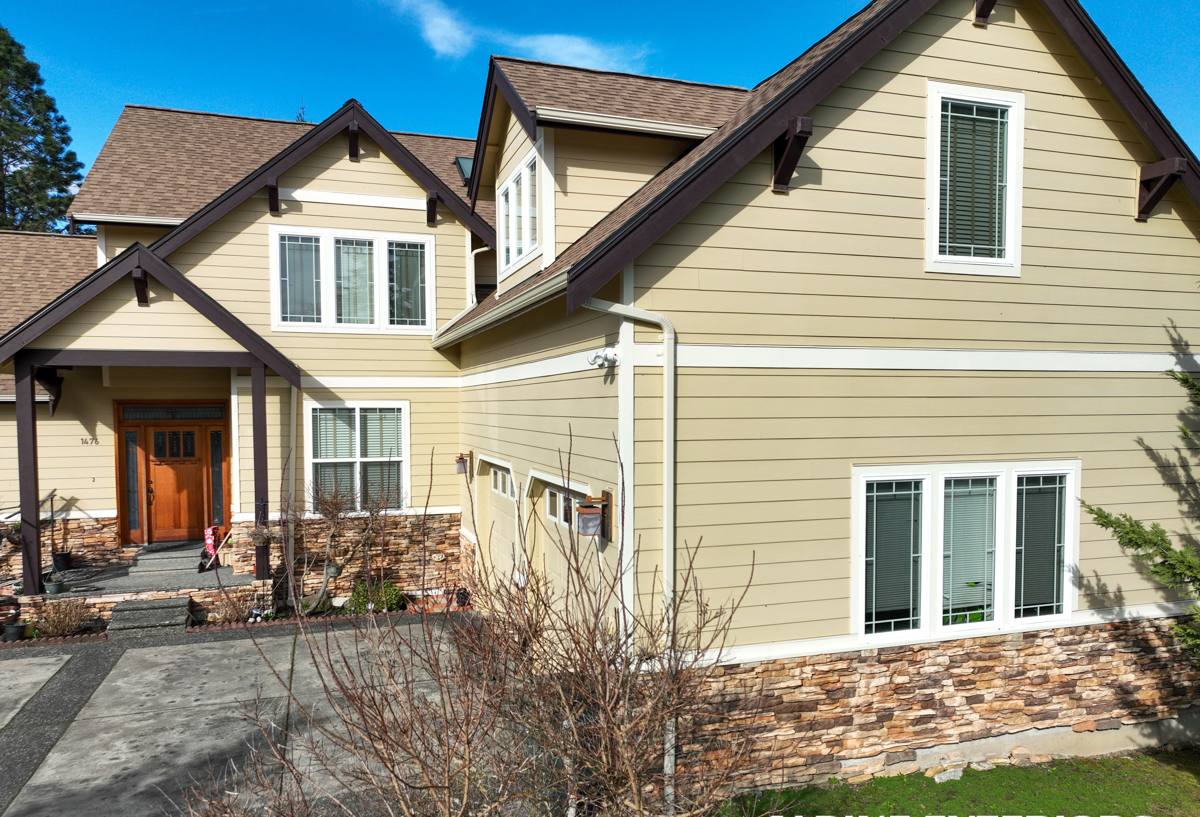
Why Cottonwood Beach Windows Wear Out Faster
Salt Air and Metal Components
Aluminum and steel hardware — hinges, locks, balance mechanisms, even some window screens — corrode faster this close to Birch Bay's shoreline than they would ten or fifteen miles inland. Once corrosion sets in, hardware seizes, locks stop aligning, and the seal around the sash starts failing even if the glass and frame still look fine. It's one of the first signs we look for during an inspection because homeowners often blame "old windows" when it's really just corroded parts dragging everything else down with them.
Driving Rain and Wind-Loaded Walls
Storms coming off the water don't just drop rain straight down — wind pushes it sideways into the wall assembly, which puts far more stress on flashing and sealant than a typical inland rain event. Older windows, especially ones installed without a proper flashing pan or with builder-grade caulk as the only water management, will eventually let water track behind the frame. That's when you start seeing soft trim, stained drywall below a window, or a musty smell in the wall cavity — problems that have nothing to do with the glass itself and everything to do with how the window was installed.
Moss, Algae, and a Long Damp Season
Cottonwood Beach's tree cover and marine-layer humidity keep some exterior surfaces damp for much of the year, which is exactly what moss and algae need to take hold. On windows, that shows up as dark streaking on sills, swollen wood trim, and finishes that break down years ahead of schedule. It's mostly cosmetic at first, but trapped moisture behind moss growth is what eventually rots wood components and stains newer siding or trim installed nearby.
Signs It's Time to Replace, Not Repair
- Hardware that's corroded, seized, or won't lock securely anymore
- Visible fog or moisture between panes of double-pane glass (a failed seal)
- Soft or spongy wood at the sill, jamb, or trim
- Persistent drafts or a noticeable temperature difference near the window
- Condensation forming on the inside of the glass regularly, even in mild weather
- Windows that are difficult to open, close, or stay open on their own
- Visible daylight or gaps around the frame from outside
- Recurring moss or algae staining that returns within a season of cleaning
Any one of these on its own might be fixable. Two or three together, especially on a home that's had its original windows for 15-20+ years, usually means the frame and seals have reached the end of their service life and repair would just be a short-term patch.
What a Correct Replacement Involves
A window replacement is only as good as the parts nobody sees once the trim goes back on. In a location like Cottonwood Beach, that hidden work matters more than usual because of the wind-driven rain exposure.
Removal and Inspection
We remove the old unit carefully and inspect the framing, sill, and sheathing underneath before anything new goes in. This is where we catch hidden rot or water damage that wasn't visible from inside or outside — problems that need to be addressed before a new window is installed, not covered over.
Flashing and Water Management
Proper flashing — a sill pan to direct any water that gets past the window back outside, plus correctly lapped flashing tape at the sides and top — is non-negotiable on a home exposed to driving rain off the water. This is the step that gets skipped most often on lower-quality jobs, and it's the one that determines whether the wall stays dry for the next twenty years.
Setting and Sealing the Unit
The new window gets shimmed level and plumb, fastened per the manufacturer's specification, and sealed with the correct sealant for the substrate — not just a bead of caulk around the outside. Interior air sealing (foam or backer rod, depending on the gap) matters too, since a well-sealed exterior with a leaky interior still lets in drafts and moisture.
Trim and Finish
Exterior trim gets reinstalled or replaced with attention to how it sheds water, since poorly finished trim is one of the places moss and algae take hold first. We finish with materials and detailing meant to hold up to the damp, shaded conditions common around Cottonwood Beach rather than a generic finish that looks fine on day one.
Choosing the Right Window for This Location
| Factor | Why It Matters Here |
|---|---|
| Frame material | Vinyl and fiberglass resist salt-air corrosion and don't need repainting the way bare wood does; wood-clad options need well-maintained cladding to avoid moisture intrusion at seams |
| Hardware finish | Corrosion-resistant hardware coatings hold up longer against salt air than standard finishes |
| Glass package | Double or triple-pane with a quality low-E coating helps with both energy performance and condensation control in our damp climate |
| Weatherstripping | Compression-style seals generally outlast thin fin seals under repeated wind-driven rain exposure |
| Sill design | A sloped sill with a clear drainage path sheds water and resists the moss/algae buildup that flat sills tend to collect |
We don't push one brand as the only option — the right choice depends on your home's exposure, budget, and how the existing openings are framed. What we do insist on is matching the product to the actual conditions this house sees, not just picking the cheapest unit that fits the opening.
Our Process for Cottonwood Beach Homes
- On-site assessment — we walk the exterior and interior of each window opening, checking for the wear patterns specific to this area: corrosion, moss staining, soft trim, and water paths behind existing flashing.
- Honest scope and estimate — you get a clear picture of what's replacement versus what might just need attention now, with pricing that reflects the actual condition we find, not a generic per-window rate.
- Scheduling around the weather — installation timing accounts for the wetter stretches of the year so openings aren't left exposed longer than necessary.
- Installation with proper flashing and sealing — the water management steps outlined above, done the same way on every window, not just the ones that are easy to reach.
- Final walkthrough — we check operation, seals, and finish work with you before calling the job done.
Cost Factors for This Area
Window replacement pricing varies by opening size, frame material, glass package, and how much hidden repair work turns up once the old unit comes out. Homes near the water sometimes carry a modest additional cost tied to more thorough flashing work or replacing corroded trim and sheathing that inland homes wouldn't need — we won't know exactly what that looks like until we're inspecting your specific windows. Broadly, budget-friendly vinyl replacements sit at the lower end of the range, while larger openings, higher-performance glass, or fiberglass frames move toward the upper end. We'll always break down what's driving the number rather than handing you a flat quote with no explanation.
Maintenance That Extends the Life of New Windows
- Rinse salt residue and debris off frames and glass a few times a year, especially after storms
- Keep sills clear of standing moisture and organic debris where moss can start
- Check and lightly lubricate hardware annually so locks and balances don't seize
- Inspect exterior caulk lines yearly and have any cracking resealed before it lets water in
- Trim back vegetation that keeps a window shaded and damp longer than the rest of the house
None of this is complicated, but skipping it is exactly how a well-installed window ends up needing premature attention in a climate like this one.
Why Local Experience on This Specific Stretch Matters
A crew that mostly works drier inland jobs can still install a window correctly on paper and still miss the details that matter here — how much flashing overlap a wind-driven rain exposure actually needs, which sill designs shed water instead of holding it, or which hardware finishes are worth the upgrade given the salt air. We work this part of Whatcom County regularly, so we're not guessing at what Cottonwood Beach conditions require — we're applying what we've already seen hold up and what hasn't.
If your windows are showing their age, or you just want a straight answer on whether repair or replacement makes sense for your home, we're happy to take a look. Reach out for a free, no-pressure estimate using the form below.