 Birch Bay Window
 Window Replacement Built for Nooksack's Weather, Not Just the Sales Brochure
Nooksack sits inland from the coast, but that doesn't mean the windows here have it easy. Whatcom County weather doesn't care whether a house is a mile from saltwater or twenty — it still delivers months of driving rain, damp valley air off the river bottoms, and the kind of steady gray dampness that grows moss on anything that holds still long enough. Homes closer to the coast, including our home base near Birch Bay, deal with wind-driven salt air on top of that. Nooksack gets the rest of it: persistent moisture, temperature swings between clear cold nights and wet fronts, and long stretches where wood, vinyl, and old glazing compounds simply don't get a chance to fully dry out.
Window replacement here isn't a cosmetic upgrade. It's a moisture-management job first and a comfort/efficiency upgrade second. A window installed correctly for this climate will outlast one installed the way a crew from a drier region might do it. That distinction is the whole reason this page exists.
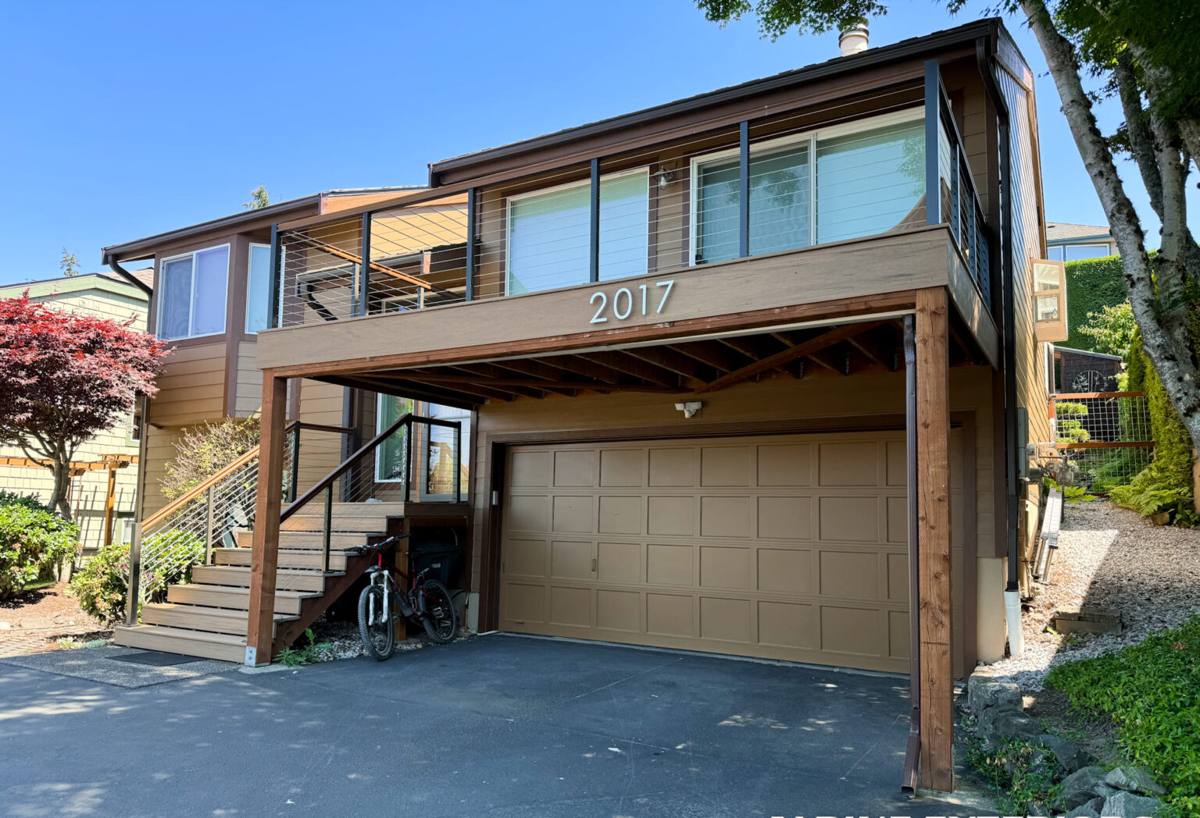
What Whatcom County's Climate Actually Does to a Window Over Time
Every window failure we see in this part of the county traces back to the same handful of causes, and they're almost all water-related:
- Wood rot at the sill and lower corners — the lowest point of a window frame collects whatever water gets past the exterior seal, and in a climate with this many wet days a year, a small gap becomes a soft, spongy sill within a few seasons.
- Moss and organic growth on sills, tracks, and exterior trim — moss doesn't just look bad; it holds moisture against wood and paint, which accelerates rot and finish failure underneath it.
- Fogged or failed double-pane glass — once the seal between panes breaks down, humid air gets trapped between the panes and condenses. In a drier climate that might take a decade longer to show up.
- Swollen sashes and sticking hardware — wood and even some vinyl components expand when they stay damp for weeks at a time, which is why older windows in this area often get harder to open every winter.
- Soft or crumbling exterior trim and caulking — caulk has a service life, and in a climate with this much rain exposure, it reaches the end of that life faster than manufacturers' national averages suggest.
None of this is unique to any one house in Nooksack — it's what happens to windows anywhere in this climate zone that weren't detailed for it in the first place, or that have simply reached the end of their service life.
Signs a Nooksack Home Is Ready for Replacement (Not Just Repair)
Not every problem window needs full replacement. But there's a point where patching stops making financial sense. Watch for:
- Visible fog, haze, or moisture trapped between panes of double-pane glass
- Soft, spongy, or visibly rotted wood at the sill, jamb, or corners
- Drafts you can feel with your hand near the frame on a windy day
- Windows that are painted or swollen shut, or that need force to open and close
- Moss or dark staining building up on the exterior sill or trim year after year despite cleaning
- A noticeable rise in heating costs with no other explanation
- Single-pane glass anywhere in the home — original construction-era glazing rarely makes sense to keep at this point
If you're only seeing one or two of these and the frame is still structurally sound, a repair or resealing may buy a few more years. Once rot has reached the frame itself, replacement is almost always the more honest recommendation — patched rot tends to come back within a season or two.
What a Correct Window Replacement Job Actually Involves
Removal and Hidden Damage Inspection
The old window comes out and the opening gets inspected before anything new goes in. This is the step that gets skipped by crews trying to move fast — and it's the one that matters most in this climate. Hidden rot in the framing behind the old window is common in older Whatcom County homes, and installing a new window over a rotted opening just seals the problem behind fresh trim.
Flashing and Water Management
This is the single most important part of the job for a climate like ours. Proper flashing — house wrap integration, sill pan flashing, and correctly lapped tape or membrane at the head and sides — directs any water that gets past the exterior finish back out, instead of letting it sit against the framing. A window can be expensive, well-made, and perfectly level, and still fail early if the flashing detail underneath it is wrong. We treat this step as non-negotiable, not optional.
Installation, Shimming, and Insulation
The new window gets set plumb, level, and square, shimmed correctly so it isn't relying on the frame for structural support, and the gap between the window and the rough opening gets insulated properly — not overpacked with spray foam, which can bow the frame, and not left with gaps that create a cold, drafty perimeter.
Exterior and Interior Finish Work
Exterior trim, caulking, and paint or stain get finished to shed water, not trap it. Interior trim gets reset cleanly. This is also the point where we make sure drainage paths — weep holes, sloped sills — are clear and functioning, since a blocked weep hole in this climate can undo good work upstream.
Choosing the Right Window for a Nooksack Property
There's no single "best" window material — the right choice depends on the home's age, exposure, and your maintenance appetite. Here's how the common options actually compare for this climate:
| Frame Material | Moisture Behavior Here | Maintenance | Typical Fit |
|---|---|---|---|
| Vinyl | Won't rot; handles damp exposure well | Low — occasional cleaning | Most homes; best value-to-durability balance |
| Fiberglass | Very stable in wet/cold swings; minimal expansion | Low | Homes wanting higher durability, willing to pay more upfront |
| Wood (clad exterior) | Interior wood warmth, but exterior cladding must stay sealed or moisture gets trapped | Higher — finish must be monitored | Homes prioritizing a traditional wood interior look |
| Aluminum | Prone to condensation without a thermal break; conducts cold | Moderate | Rarely our first recommendation for this climate |
We don't push wood-frame exteriors on homes here as a default recommendation — not because wood windows are a bad product, but because an exterior wood surface in a climate with this much sustained rain and moss pressure demands a maintenance schedule most homeowners underestimate. If a homeowner wants that look and understands the upkeep, we'll install it correctly. Our default recommendation for most Nooksack homes is vinyl or fiberglass, because both hold up to sustained damp exposure with the least ongoing attention.
What Drives the Cost of a Window Replacement Project
| Factor | Why It Matters |
|---|---|
| Number and size of windows | Straightforward — more glass and larger openings mean more material and labor |
| Frame material chosen | Vinyl is typically the most affordable; fiberglass and clad wood cost more upfront |
| Condition of the existing opening | Hidden rot found during removal adds framing repair time before the new window can go in |
| Access and site conditions | Second-story windows, tight landscaping, or limited access add labor time |
| Trim and finish scope | Full exterior trim replacement costs more than reusing sound existing trim |
| Glass package | Upgraded low-E coatings or gas fills add cost but improve efficiency and comfort |
We won't quote a project without seeing it — pricing over the phone for window work is a guessing game that usually ends in a change order once we find what's actually behind the old frame. What we will do is give you a straight, itemized estimate after a walkthrough, so you know exactly what you're paying for and why.
Our Process, Start to Finish
- Free on-site estimate. We look at every window in scope, check for hidden moisture or rot around the openings where we can, and talk through material options based on your home and budget.
- Written, itemized quote. No vague lump sums — you see what's included window by window.
- Scheduling around the weather. Window replacement is weather-sensitive work. We plan installation days around forecasts, not just the calendar, so openings aren't left exposed to a storm system.
- Removal and inspection. Old windows come out, and we flag any framing issues before proceeding — no surprises added after the fact without a conversation first.
- Flashing, installation, and insulation done to the standard described above, one window and one opening at a time.
- Finish work and cleanup. Interior and exterior trim finished, job site cleaned, old windows hauled away.
- Final walkthrough. We check operation, seals, and finish work with you before calling the job done.
Why It Matters That We Already Work in Nooksack and Whatcom County
A crew that installs windows in this specific region knows what a rotted sill looks like before it's fully exposed, knows which flashing details actually hold up through a full wet season here, and doesn't need to be told that a "small" gap in house wrap integration turns into a real problem after enough winters of driving rain. That local pattern recognition is the difference between a window that's installed and a window that's installed correctly for where it sits.
We're based near Birch Bay and work throughout Whatcom County, including Nooksack. We size up jobs the same way whether the home faces coastal wind and salt air or sits further inland dealing with river-valley damp and moss — the underlying discipline around water management is the same, even when the specific exposure differs.
Keeping New Windows Performing for the Long Run
A correctly installed window still benefits from basic upkeep in this climate. A short annual checklist:
- Clear debris and moss buildup from exterior sills and tracks before it accumulates over a season
- Check exterior caulking annually for cracking or gaps, especially after a hard winter
- Make sure weep holes on the exterior sill stay clear so water can drain instead of pooling
- Operate each window a few times through the year so hardware and seals don't stick or seize
- Watch for any new fogging between panes — it signals a seal failure, not something that can be cleaned away
- Keep gutters and downspouts nearby functioning, since overflow near a window opening undoes good flashing work over time
None of this is complicated, but skipping it is exactly how a well-installed window's lifespan gets cut short in a climate that doesn't give a house much of a break.
Ready to Talk About Your Windows?
If you're dealing with drafts, fogged glass, soft sills, or windows that just don't open the way they used to, we're happy to take a look. We'll give you a straight assessment of what's actually going on, what your options are, and a written estimate — no pressure, no upsell script. Fill out the form below to schedule a free estimate for your Nooksack property.